
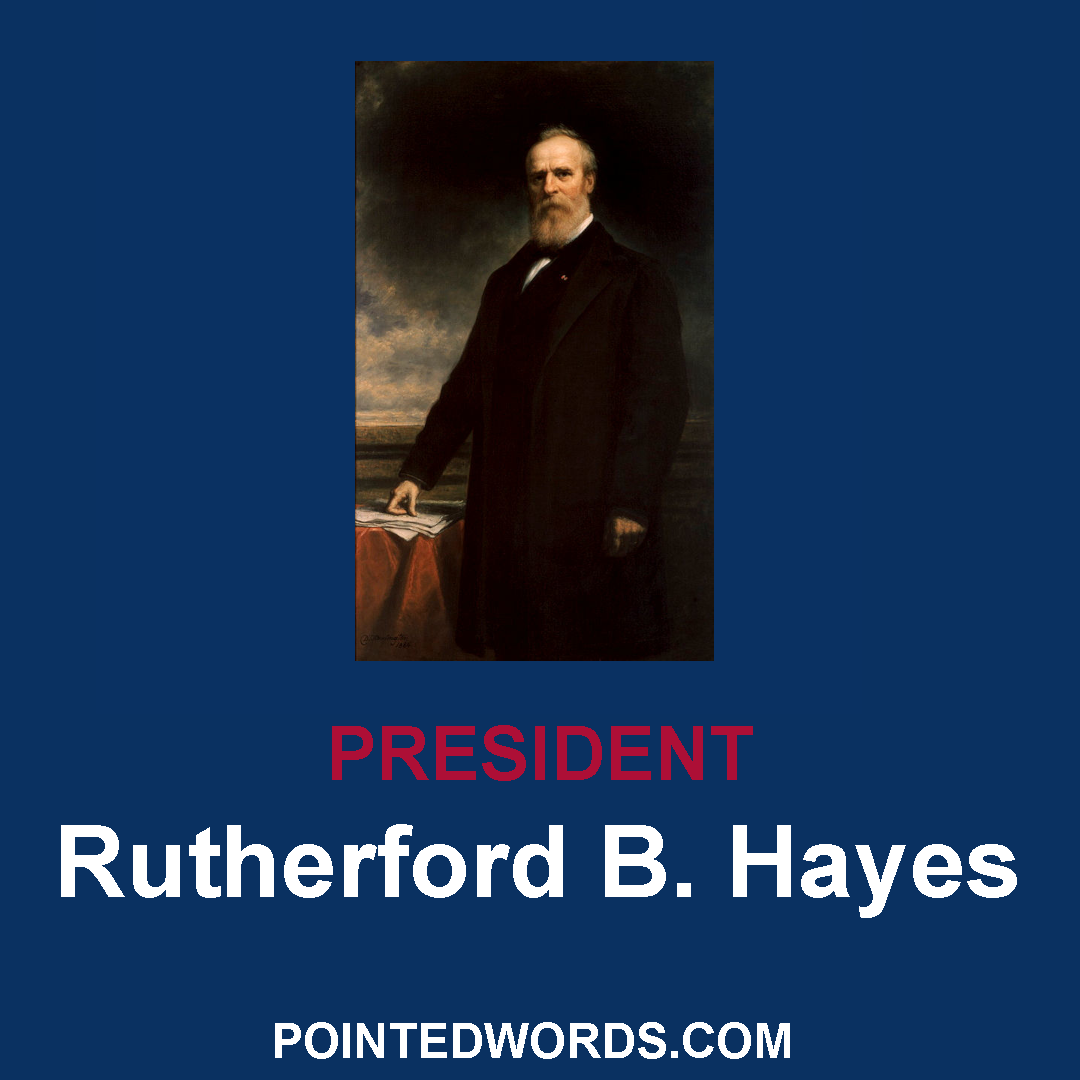
Profile of President Rutherford B. Hayes
Rutherford B. Hayes was the 19th President of the United States (1877–1881). He assumed the presidency following the most intensely disputed and controversial election in American history, ultimately losing the popular vote but securing the Electoral College by a single vote. The Compromise of 1877: To secure the presidency, Hayes and the Republican Party struck a backroom deal with Southern Democrats. Hayes agreed to withdraw the remaining federal troops from the South, officially ending the Reconstruction Era and abandoning the federal protection of newly freed African Americans. He was a genuinely heroic Civil War veteran. Leaving his law practice to join the Union Army, he fought on the front lines, had his horse shot out from under him, and was wounded in combat five separate times, ultimately rising to the rank of brevet major general. During his single term, he became a fierce champion of civil service reform, attempting to dismantle the corrupt "spoils system" by demanding that government jobs be awarded based on merit and examinations rather than political patronage. He deployed federal troops to intervene in the Great Railroad Strike of 1877, the deadliest conflict between workers and strikebreakers in American history, marking a major escalation in federal involvement in domestic labor disputes. "He was a battlefield hero who won the White House through a backroom deal. Rutherford B. Hayes traded the promise of Reconstruction for the presidency, forever altering the trajectory of the American South." Day 66 | Rutherford B. Hayes: The Compromise President Rutherford B. Hayes possessed a resume that seemed practically engineered for the American presidency in the late 19th century. Born in Delaware, Ohio, in 1822, he was raised by a single mother after his father died just weeks before his birth. Highly educated, he graduated at the top of his class from Kenyon College and earned his law degree from Harvard Law School. Returning to Ohio, he established a successful law practice in Cincinnati, where he frequently defended runaway slaves who had escaped across the Ohio River from Kentucky, earning a reputation as a staunch, principled abolitionist. When the Civil War erupted, the 38-year-old Hayes left his comfortable legal career to join the 23rd Ohio Volunteer Infantry. Unlike many politicians who sought safe, administrative military posts, Hayes thrived in the brutal combat of the front lines. He fought bravely at South Mountain and Cedar Creek, sustaining five severe combat wounds and earning the intense loyalty of his men. While he was still fighting in the field, Ohio Republicans nominated him for the U.S. House of Representatives. Hayes famously refused to leave his troops to campaign, stating that any officer who abandoned his post to electioneer "ought to be scalped." He won the election easily, later returning to Ohio to serve three highly successful terms as Governor. His reputation for absolute personal honesty made him the perfect Republican nominee in 1876, a year when the country was deeply exhausted by the massive corruption scandals of the Ulysses S. Grant administration. However, the election against Democratic nominee Samuel J. Tilden became a national nightmare. Tilden decisively won the popular vote, but the electoral votes of three Southern states—Florida, Louisiana, and South Carolina—were fiercely disputed amid massive allegations of voter fraud and violent voter intimidation against African Americans. The crisis dragged on for months, bringing the nation to the brink of a second civil war. Finally, a special congressional commission awarded all the disputed electoral votes to Hayes, giving him the presidency by a margin of 185 to 184. The decision was secured through the Compromise of 1877, an informal agreement where Southern Democrats accepted Hayes’s victory in exchange for a massive conces...
March 7, 2026
5 min
279 of 290
March 7, 2026
Profile of President Rutherford B. Hayes
0:00 / 5:47
Excerpt playback isn’t available for this episode — use the full-episode link.
Search the Record
Moment search isn’t open for this episode yet
When it opens, you’ll be able to type any phrase and jump straight to the second it was said.
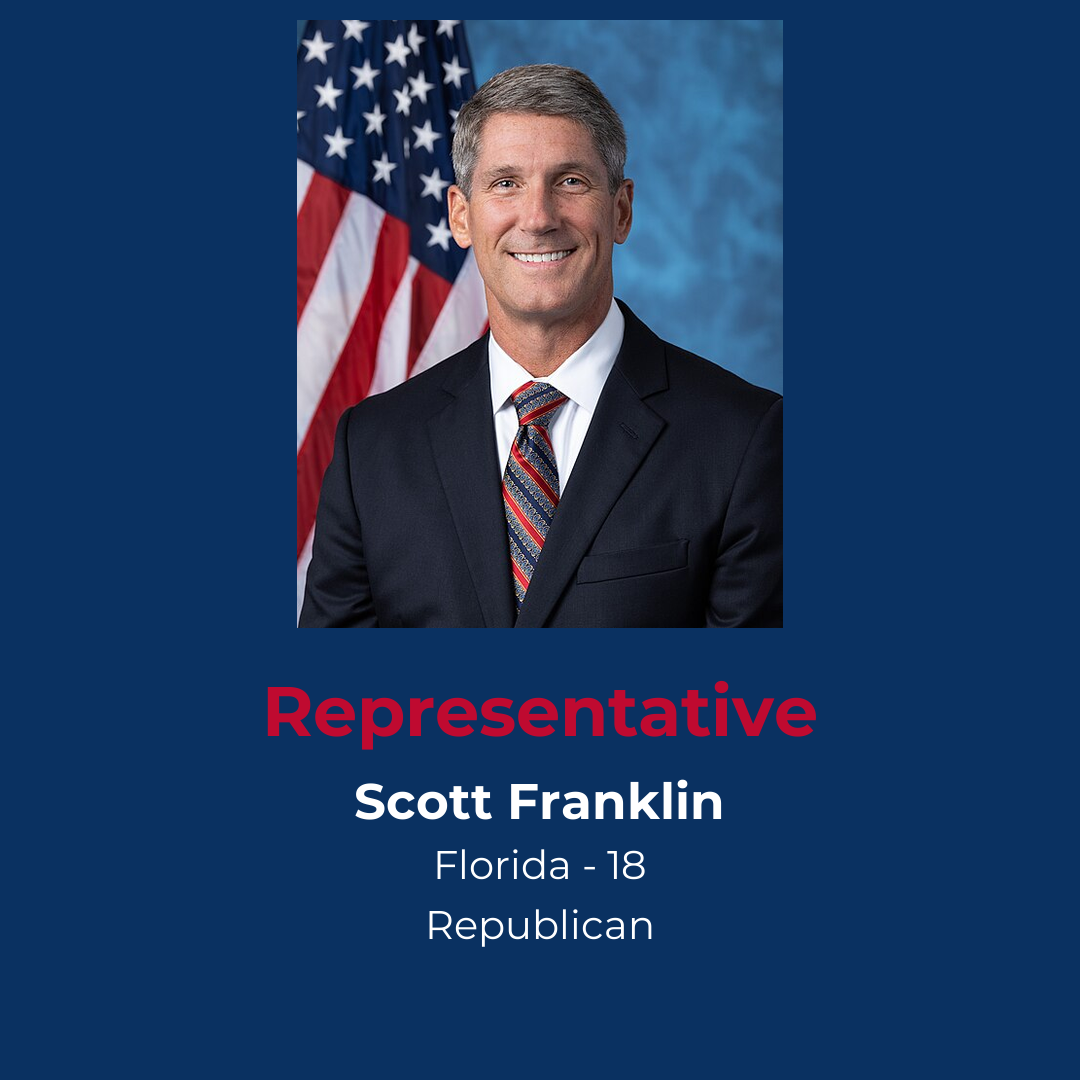
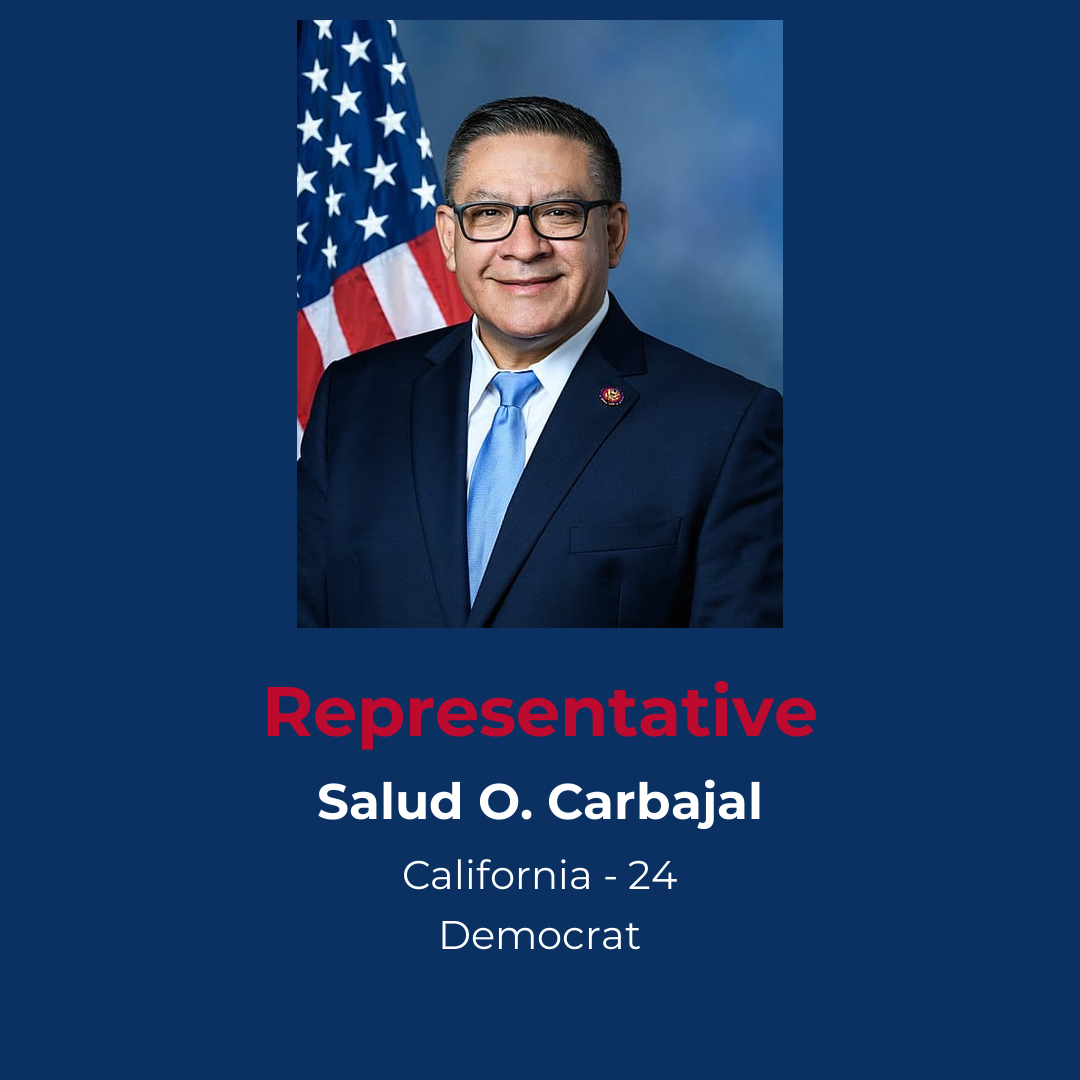
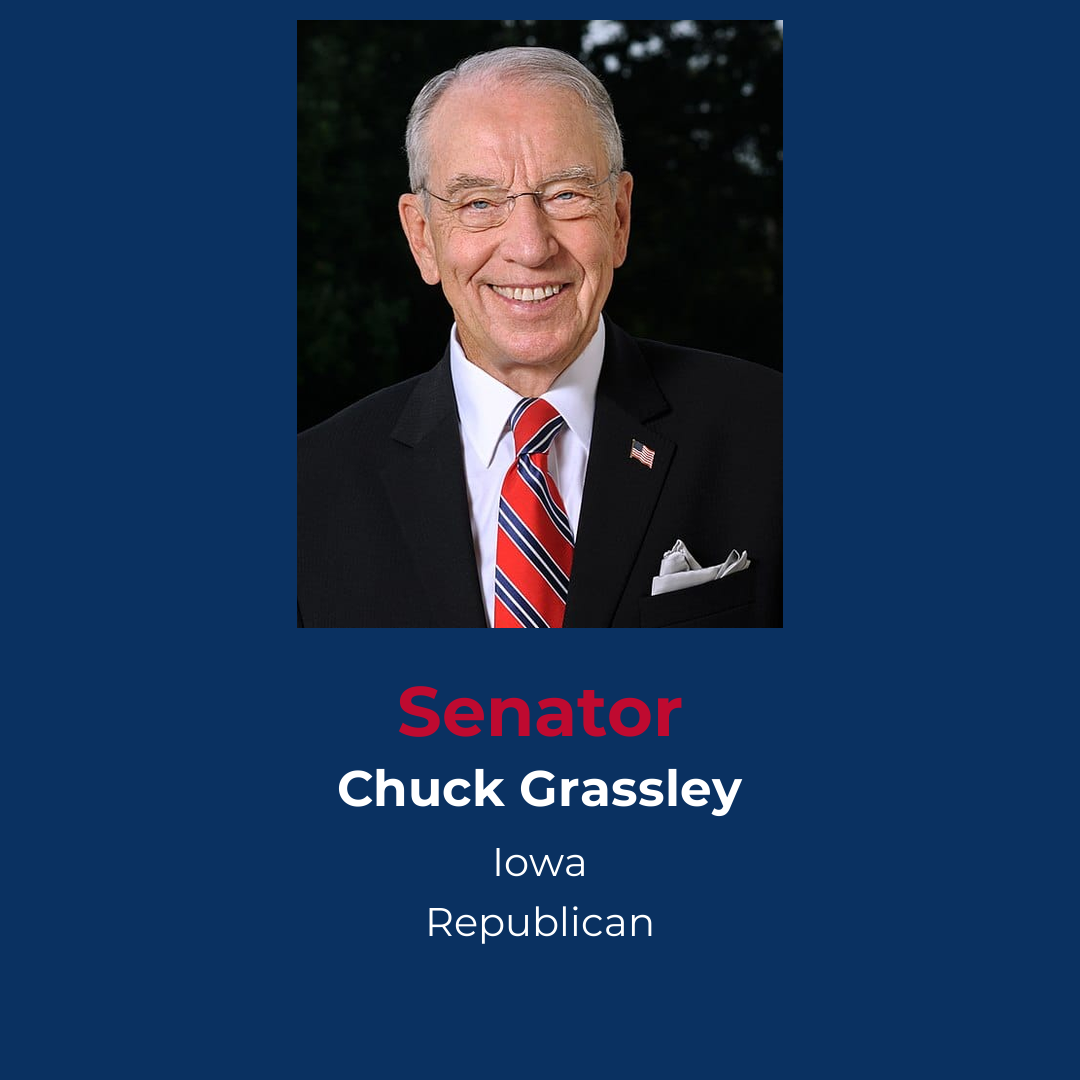
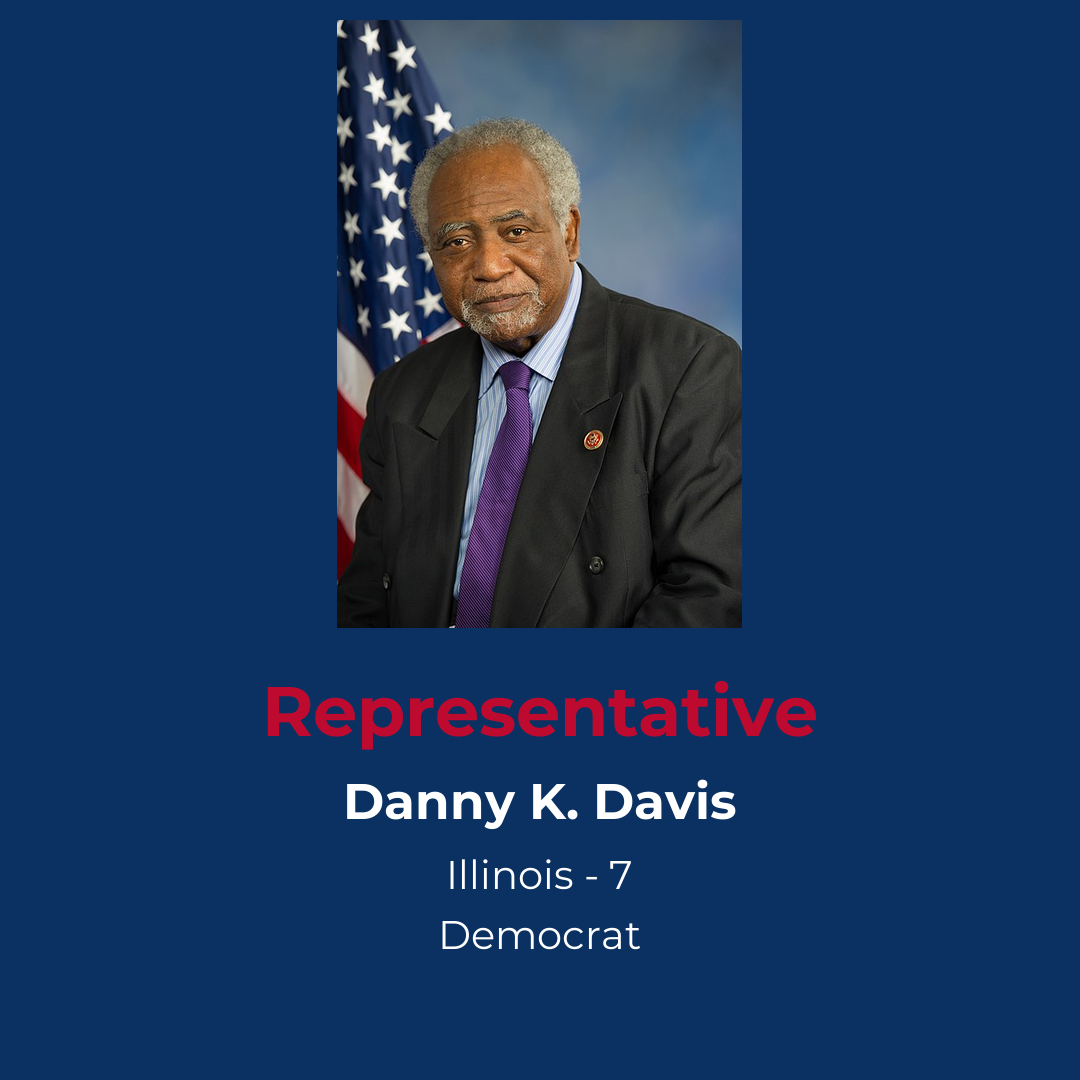
Lisa McClain Episodes Around March 7, 2026
Episode 279 of 290 — walk the feed in the order it was published.



 5:47This episode
Profile of President Rutherford B. Hayes


Summary
Rutherford B. Hayes was the 19th President of the United States (1877–1881). He assumed the presidency following the most intensely disputed and controversial election in American history, ultimately losing the popular vote but securing the Electoral College by a single vote.
The Compromise of 1877: To secure the presidency, Hayes and the Republican Party struck a backroom deal with Southern Democrats. Hayes agreed to withdraw the remaining federal troops from the South, officially ending the Reconstruction Era and abandoning the federal protection of newly freed African Americans.
He was a genuinely heroic Civil War veteran. Leaving his law practice to join the Union Army, he fought on the front lines, had his horse shot out from under him, and was wounded in combat five separate times, ultimately rising to the rank of brevet major general.
During his single term, he became a fierce champion of civil service reform, attempting to dismantle the corrupt "spoils system" by demanding that government jobs be awarded based on merit and examinations rather than political patronage.
He deployed federal troops to intervene in the Great Railroad Strike of 1877, the deadliest conflict between workers and strikebreakers in American history, marking a major escalation in federal involvement in domestic labor disputes.
"He was a battlefield hero who won the White House through a backroom deal. Rutherford B. Hayes traded the promise of Reconstruction for the presidency, forever altering the trajectory of the American South."
Day 66 | Rutherford B. Hayes: The Compromise President
Rutherford B. Hayes possessed a resume that seemed practically engineered for the American presidency in the late 19th century. Born in Delaware, Ohio, in 1822, he was raised by a single mother after his father died just weeks before his birth. Highly educated, he graduated at the top of his class from Kenyon College and earned his law degree from Harvard Law School. Returning to Ohio, he established a successful law practice in Cincinnati, where he frequently defended runaway slaves who had escaped across the Ohio River from Kentucky, earning a reputation as a staunch, principled abolitionist.
When the Civil War erupted, the 38-year-old Hayes left his comfortable legal career to join the 23rd Ohio Volunteer Infantry. Unlike many politicians who sought safe, administrative military posts, Hayes thrived in the brutal combat of the front lines. He fought bravely at South Mountain and Cedar Creek, sustaining five severe combat wounds and earning the intense loyalty of his men. While he was still fighting in the field, Ohio Republicans nominated him for the U.S. House of Representatives. Hayes famously refused to leave his troops to campaign, stating that any officer who abandoned his post to electioneer "ought to be scalped." He won the election easily, later returning to Ohio to serve three highly successful terms as Governor.