
The Next Chapter of the American Story
Human beings think in stories. We understand ours…
November 30, 2020
55 min
19 of 426

November 30, 2020
The Next Chapter of the American Story
0:00 / 55:11
Excerpt playback isn’t available for this episode — use the full-episode link.
Search the Record
Moment search isn’t open for this episode yet
When it opens, you’ll be able to type any phrase and jump straight to the second it was said.
New Discourses Episodes Around November 30, 2020
Episode 19 of 426 — walk the feed in the order it was published.






 55:11This episode
The Next Chapter of the American Story



Summary
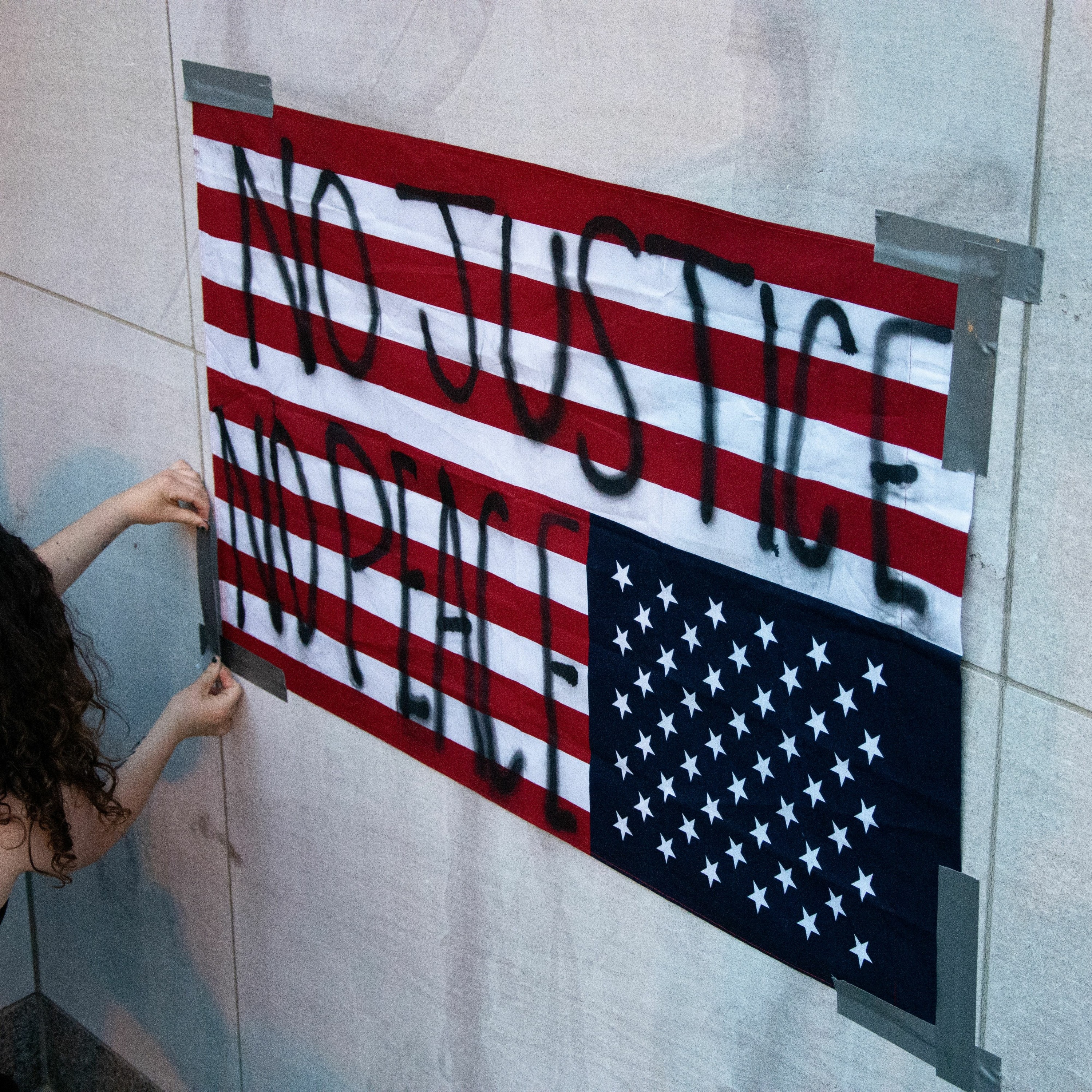
Human beings think in stories. We understand ourselves and the world, societies, social groups, and contexts we live in that way. One type of story is a national story, and in this episode of the New Discourses podcast, James Lindsay makes the case that Americans have, by and large, forgotten the totality of their own story. This has happened by placing too much focus and too much emphasis on one valuable and important part of the American story, which is equality. All men are, in fact, created equal, at least so far as liberal ethics should understand men, but this part of the American story exists in some tension with the other parts, especially the liberty part of the story, which is threatened by an overemphasis on equality in the same way that equality is threatened by an overemphasis on liberty. The truth is, even on a perfectly equal playing field, liberty will produce unequal outcomes because people will behave in unequal ways, and this form of inequality of outcome is just, even if inequality of opportunity isn't.
In this podcast, Lindsay argues that Americans have mistaken the equality part of their story for the whole story, and in that the equality part of their story has been largely but not perfectly fulfilled, Americans now find themselves retelling the story in ever more tendentious ways, including Critical Social Justice. That is, Americans, in seeking to understand themselves against their own story, which they have misunderstood, are telling a kind of genre fiction on the equality story, trying to resurrect its themes in new ways to give themselves meaning and personal and social context. The Critical Social Justice, or Woke, story is comprehensible as a certain type of genre fiction on the equality portion of the American story, one that inverts the very values it claims to espouse in the pursuit not of further equality but of equity, which is a type of enforced equality of outcomes, regardless of behavior, talent, and merit.
In the end Lindsay urges Americans to remember the totality of their story: liberty and equality in balance with one another, government with the consent of the governed, and a place, at least one place in the world, where these values can be kept alive. The American story has not been fulfilled, although it is not necessarily clear what its next chapters are. This podcast hopes to start finding the next parts of the American story. In that, Lindsay urges that Americans today are called to be keepers of the flame of liberty in a society that values and has, in largest part, achieved equality. They are also encouraged to offer their balanced model of federalism and anti-federalism, individual and national sovereign liberty, in this case, to the world as globalism increases with technology. Should the world refuse, Americans should not turn their backs on their story but should, instead, keep the flame of Americanism burning bright for any who should want it.