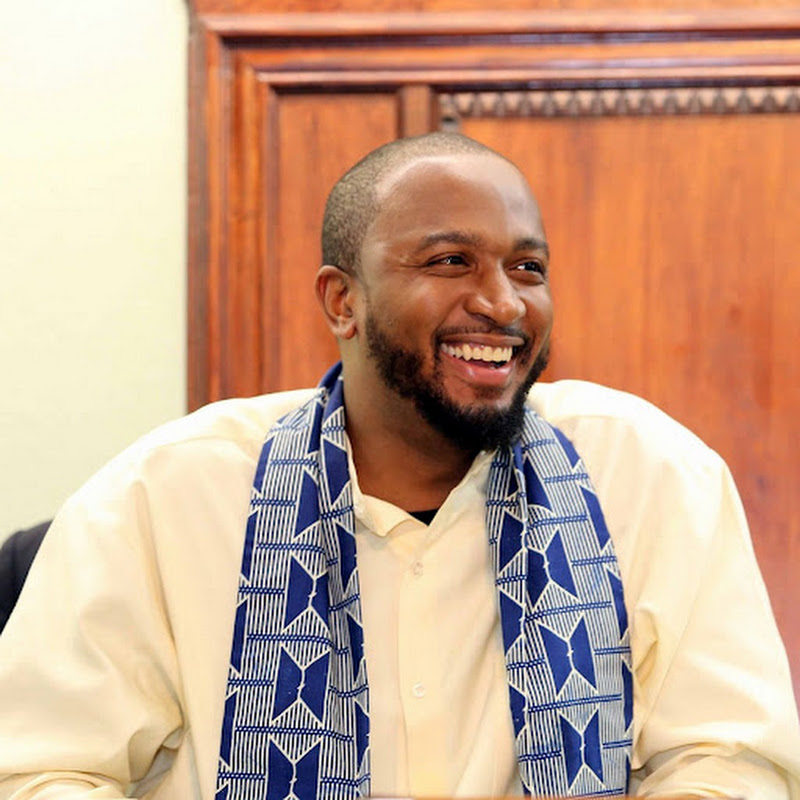
Dr. Josh Meyers: Epistemic Liberation & Revolutionary Education
June 16, 2025
1 hr 8 min
Full
181 of 246

June 16, 2025
Dr. Josh Meyers: Epistemic Liberation & Revolutionary Education
0:00 / 1:08:22
Excerpt playback isn’t available for this episode — use the full-episode link.
Search the Record
Moment search isn’t open for this episode yet
When it opens, you’ll be able to type any phrase and jump straight to the second it was said.
Rashad Abdul Rahmaan Episodes Around June 16, 2025
Episode 181 of 246 — walk the feed in the order it was published.
1:08:22This episodeDr. Josh Meyers: Epistemic Liberation & Revolutionary Education
Summary
<p>Today’s guest is Dr. Joshua Myers, Associate Professor of Africana Studies at Howard University and author of Of Black Study, Cedric Robinson: The Time of the Black Radical Tradition, and We Are Worth Fighting For, a history of the 1989 Howard University student protest. In this conversation, Dr. Myers reflects on the revolutionary roots of Black Studies, exploring whether the field has moved away from its origins in Black radicalism, Pan-Africanism, and Third World Liberation movements. We discuss the intellectual legacy of thinkers like Sylvia Wynter, Cedric Robinson, W\.E.B. Du Bois, and Jacob Carruthers, and examine how Black Study offers a way of knowing and being that challenges dominant systems of knowledge and the violence embedded in the Western academy.Dr. Myers critiques the ways interdisciplinarity can fragment the field, calling instead for a non-disciplinary approach rooted in African and diasporic epistemologies. He emphasizes that Black Study is not simply academic—it is political, communal, and spiritual, and must be grounded in lived experience. We also explore how people outside of universities can meaningfully engage in Black Study, and the broader implications of political appointments in HBCUs, such as the controversial selection of Marva Johnson as FAMU’s new president. This is a powerful and timely conversation about reclaiming the liberatory mission of Black Studies and transforming how we think, live, and learn in the tradition of Black radical thought.</p>
Episode details and artwork are published by the show’s own feed. Sentinel plays short cited excerpts and links every episode back to its publisher.