90 | David Kaiser on Science, Money, and Power
March 30, 2020
1 hr 34 min
90
Full
94 of 432
Episode 90 · March 30, 2020
90 | David Kaiser on Science, Money, and Power
0:00 / 1:34:50
Excerpt playback isn’t available for this episode — use the full-episode link.
Search the Record
Moment search isn’t open for this episode yet
When it opens, you’ll be able to type any phrase and jump straight to the second it was said.
Sean Carroll Episodes Around March 30, 2020
Episode 94 of 432 — walk the feed in the order it was published.





 1:34:50This episode
90 | David Kaiser on Science, Money, and Power





Summary
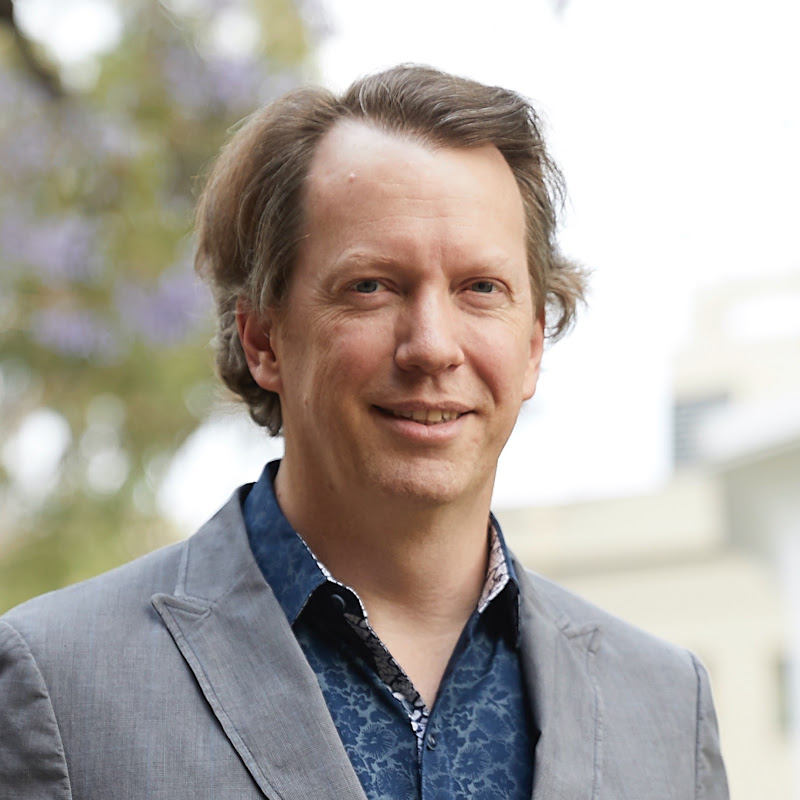
<p>Science costs money. And for a brief, glorious period between the start of the Manhattan Project in 1939 and the cancellation of the Superconducting Super Collider in 1993, physics was awash in it, largely sustained by the Cold War. Things are now different, as physics — and science more broadly — has entered a funding crunch. David Kaiser, who is both a working physicist and an historian of science, talks with me about the fraught relationship between scientists and their funding sources throughout history, from Galileo and his patrons to the current rise of private foundations. It's an interesting listen for anyone who wonders about the messy reality of how science gets done.</p> <p><em>Support Mindscape on </em><a href="https://www.patreon.com/seanmcarroll" target="_blank"><em>Patreon</em></a><em>.</em></p> <p>David Kaiser received a Ph.D. in physics, and a separate Ph.D. in history of science, from Harvard University. He is currently Germeshausen Professor of the History of Science in MIT's Program in Science, Technology, and Society, Professor of Physics in MIT's Department of Physics, and also Associate Dean for Social and Ethical Responsibilities of Computing (SERC) in MIT's Schwarzman College of Computing. He has been awarded the Davis Prize and Pfizer Prize from the History of Science Society, was named a Mac Vicar Faculty Fellow for undergraduate teaching at MIT, and received the Perkins Award for excellence in mentoring graduate students. His book <a href="https://www.indiebound.org/book/9780226698052" target="_blank"><em>Quantum Legacies: Dispatches from an Uncertain World</em> </a>is available April 3.</p> <ul> <li><a href="http://web.mit.edu/dikaiser/www/" target="_blank">Web page</a></li> <li><a href="https://scholar.google.com/citations?user=gPG2ussAAAAJ&hl=en" target="_blank">Google Scholar publications</a></li> <li><a href="https://www.amazon.com/David-Kaiser/e/B001H6ONCM%3Fref=dbs_a_mng_rwt_scns_share" target="_blank">Amazon author page</a></li> <li><a href="https://en.wikipedia.org/wiki/David_Kaiser" target="_blank">Wikipedia</a></li> </ul> <p><br /></p>
Episode details and artwork are published by the show’s own feed. Sentinel plays short cited excerpts and links every episode back to its publisher.