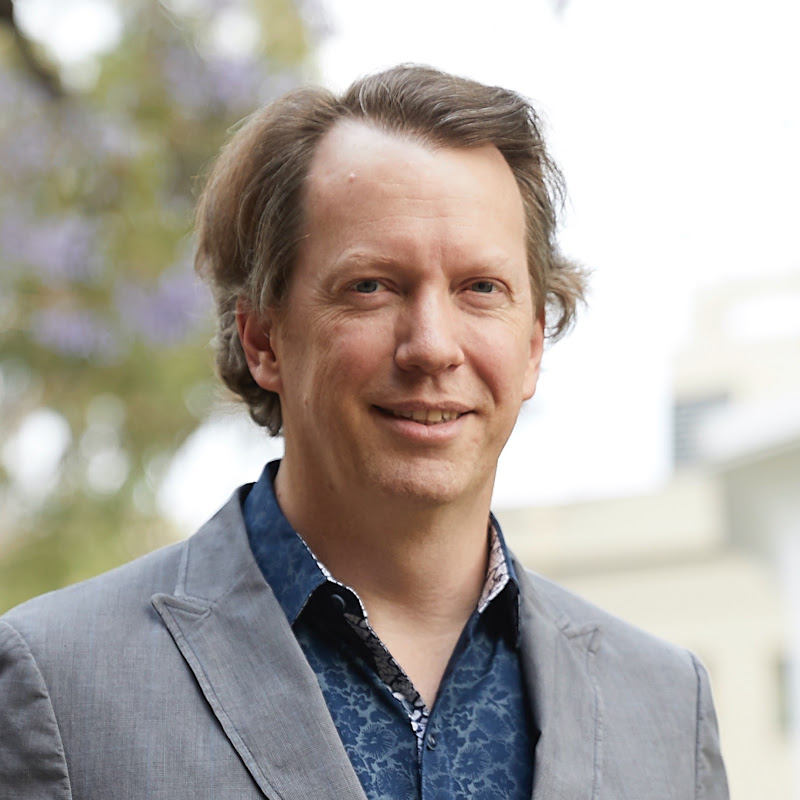
135 | Shadi Bartsch on Plato, Vergil, Confucius, and Modernity
February 22, 2021
1 hr 20 min
135
Full
144 of 432

Episode 135 · February 22, 2021
135 | Shadi Bartsch on Plato, Vergil, Confucius, and Modernity
0:00 / 1:20:09
Excerpt playback isn’t available for this episode — use the full-episode link.
Search the Record
Moment search isn’t open for this episode yet
When it opens, you’ll be able to type any phrase and jump straight to the second it was said.
Sean Carroll Episodes Around February 22, 2021
Episode 144 of 432 — walk the feed in the order it was published.














 1:20:09This episode
135 | Shadi Bartsch on Plato, Vergil, Confucius, and Modernity















Summary
<p>In our postmodern world, studying the classics of ancient Greece and Rome can seem quaint at best, downright repressive at worst. (We are talking about works by dead white men, after all.) Do we still have things to learn from classical philosophy, drama, and poetry? Shadi Bartsch offers a vigorous affirmative to this question in two new books coming from different directions. First, she has newly translated the <a href="https://shadibartsch.com/books/the-aeneid/" rel="noopener noreferrer" target="_blank"><em>Aeneid</em></a>, Vergil's epic poem about the founding myth of Rome, bringing its themes into conversation with the modern era. Second, in the upcoming <em>Plato Goes to China</em>, she explores how a non-Western society interprets classic works of Western philosophy, and what that tells us about each culture.</p> <p><em>Support Mindscape on </em><a href="https://www.patreon.com/seanmcarroll" rel="noopener noreferrer" target="_blank"><em>Patreon</em></a><em>.</em></p> <p>Shadi Bartsch-Zimmer received her Ph.D. in Classics from the University of California, Berkeley. She is currently the Helen A. Regenstein Distinguished Service Professor of Classics at the University of Chicago. Among her awards are a Guggenheim Fellowship, an American Council of Learned Societies Fellowship, and multiple teaching awards. She has served as the Editor-in-Chief of <em>Classical Philology,</em> and is the Founding Director of the <a href="https://sifk.uchicago.edu/" rel="noopener noreferrer" target="_blank">Stevanovich Institute on the Formation of Knowledge</a>. She is developing an upcoming <a href="https://anchor.fm/shadi-bartsch" rel="noopener noreferrer" target="_blank">podcast</a>.</p> <ul> <li><a href="https://shadibartsch.com/" rel="noopener noreferrer" target="_blank">Web site</a></li> <li><a href="https://classics.uchicago.edu/people/shadi-bartsch-zimmer" rel="noopener noreferrer" target="_blank">University of Chicago web page</a></li> <li><a href="https://en.wikipedia.org/wiki/Shadi_Bartsch" rel="noopener noreferrer" target="_blank">Wikipedia</a></li> <li><a href="https://twitter.com/ShadiBartsch" rel="noopener noreferrer" target="_blank">Twitter</a></li> <li><a href="https://www.amazon.com/Shadi-Bartsch/e/B001H6KQV4" rel="noopener noreferrer" target="_blank">Amazon author page</a></li> <li><a href="https://www.washingtonpost.com/opinions/dont-yield-ancient-history-and-literature-to-the-alt-right/2021/02/03/3632ad7a-6635-11eb-886d-5264d4ceb46d_story.html" rel="noopener noreferrer" target="_blank">Washington Post Op-Ed</a></li> </ul> <p><br /></p>
Episode details and artwork are published by the show’s own feed. Sentinel plays short cited excerpts and links every episode back to its publisher.