9news
@9news·551K subscribers·83.5K videos
Research shows gaps in statewide emergency alert strategy
Posted
December 15, 2023
Views
135
Likes
1
Engagement
0.74%
December 15, 2023
135
1
0.74%
Every word spoken in this episode is indexed. Type any phrase to jump straight to the moment it was said.
Type any word or phrase that may have been spoken. Click a result to seek the player to that exact moment.
Try a name, a topic, or a quoted line
See what was published immediately before and after this episode.
 1:18Now Playing
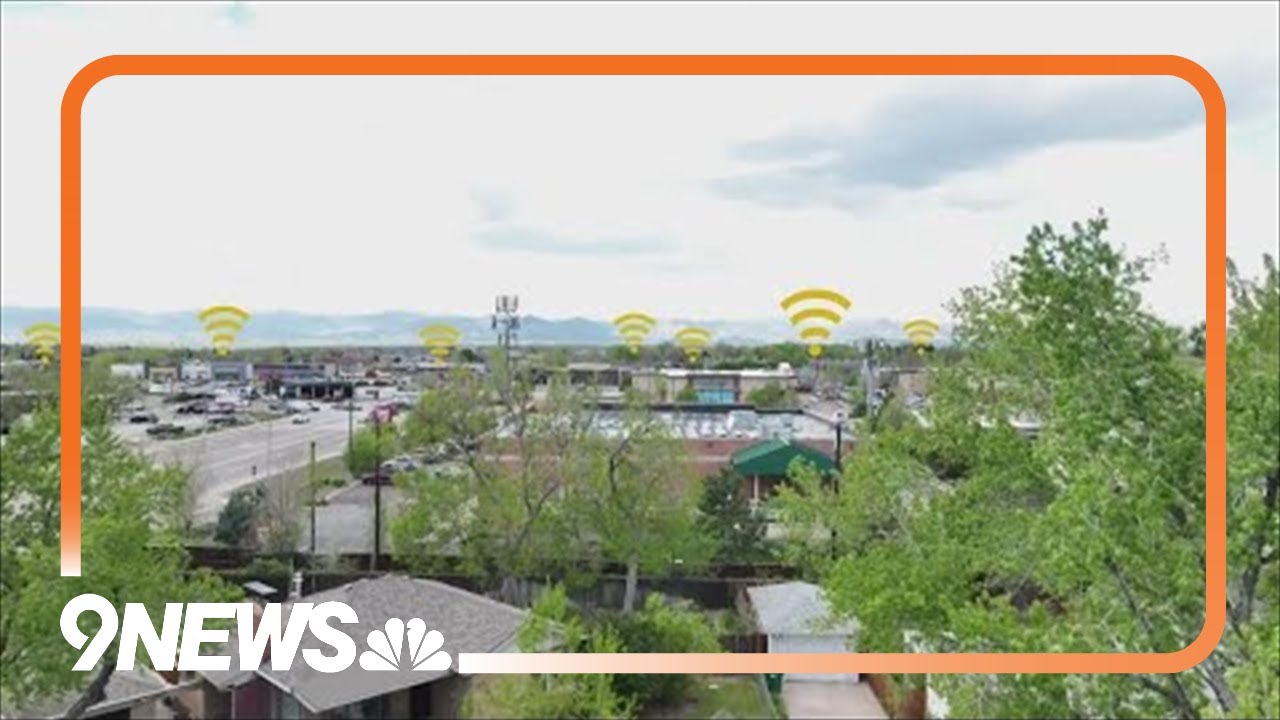
Nearly two years after the Marshall Fire exposed gaps in Colorado’s emergency alert system, researchers are recommending statewide changes to make life-saving messages more consistent and accessible.
A draft report by CU Boulder’s Natural Hazards Center cited 9NEWS’ reporting pointing to inconsistent alert systems and support across counties, and proposed statewide standards to improve how the state communicates in emergencies.
“Colorado’s alert systems and processes are a patchwork of different practices that, while flexible, can also hinder consistent, inclusive alerts,” the draft report said.
Emergency managers in Colorado use a handful of tools to share information, including social media, subscription-based alert systems that reach landlines and opted-in cell phones and the federal Wireless Emergency Alert System (WEA), which reaches all cell phones in a given area through AMBER Alert-style messages.
Sentinel Indexing in Progress
Metadata and chapters are available. Claim extraction for this episode is pending.
All video content is delivered via YouTube embedded players in accordance with the YouTube Terms of Service. Sentinel provides research tools that promote discovery and accountability across political media.