Abc Australia
@abcaustralia·443K subscribers·5K videos
Giant Aboriginal elder puppet teaches Yungaburra community about Indigenous place names
Posted
November 24, 2019
Views
2,203
Likes
39
Comments
3
Engagement
November 24, 2019
2,203
39
3
1.91%
Every word spoken in this episode is indexed. Type any phrase to jump straight to the moment it was said.
Type any word or phrase that may have been spoken. Click a result to seek the player to that exact moment.
Try a name, a topic, or a quoted line
 2:35Now Playing
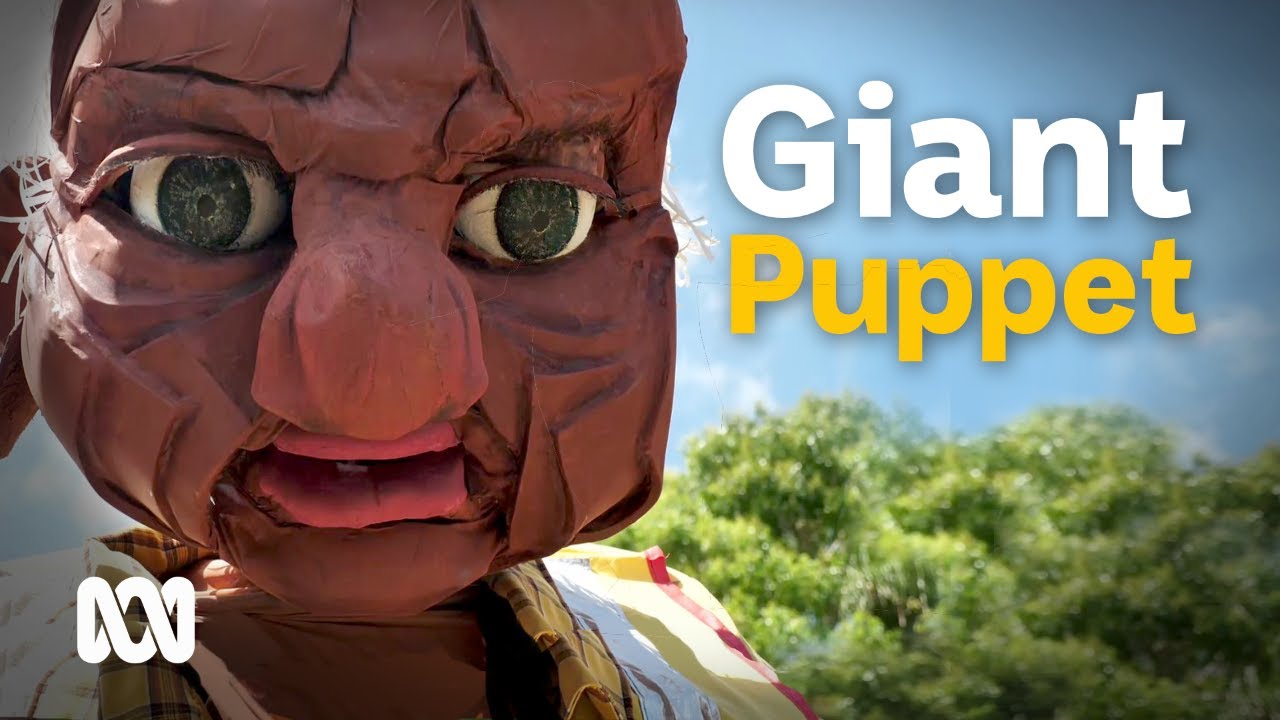
A giant puppet in the form of an Aboriginal elder has given the street signs in the far north Queensland town of Yungaburra a temporary makeover to help teach the community about Indigenous place names. The puppet was named ‘Janggaburru’, meaning silver ash tree in the local Yidiny language, which is where the name ‘Yungaburra’ comes from. The project was a collaboration between the Tablelands Folk Festival, Dulgubarra Yidinji traditional owners and giant puppet maker, Memetica, to help mark the International Year of Indigenous Languages. The four-metre-tall puppet was made from readily available materials including recycled bamboo, rubber, and backpack straps. Memetica’s artistic director Daniele Poidomani said his puppets were for all ages but he particularly loved how adults interacted with his giant creations.
Produced by:
Sharnie Kim
Join the ABC Australia community on social media!
Transcript:
This giant puppet is an Aboriginal elder named Janggaburru. He is on a mission in his home town of Yungaburra in far north Queensland.
This is the International Year of Indigenous Languages and so we decided that it was a good opportunity to make a project around what used to be the traditional language here and what still is, still alive.
Janggaburru means silver ash tree in the local Yidiny language.
When the puppet does walk around we will get him with the help of others provide names, language names, for those streets. We find that would be some way in educating the community a little bit, but also the community people, they really need to know those names so they can also be proud of this area, of their own town.
The community's pretty keen to discover this side of their own land now because it's shared land with everyone.
I make a point of using low-tech because with today's technology we have robots and I'm not interested in that. I'll leave that to the robot people. What I like to do is something everyone can do with their own hands and with readily available materials.
The help from the community has been great so far. Everyone is keen to help with the project.
My puppets are for all ages really and in fact, what I like most is that because of the scale the grown-ups feel like kids again and they interact in a way with a giant.
I just want them to be really happy and we welcome them here with open arms but that they will find time to learn about our language and maybe a bit of the history of what happened here. To feel happy that they've been here and they've learned something really positive.
Sentinel Indexing in Progress
Metadata and chapters are available. Claim extraction for this episode is pending.
All video content is delivered via YouTube embedded players in accordance with the YouTube Terms of Service. Sentinel provides research tools that promote discovery and accountability across political media.