
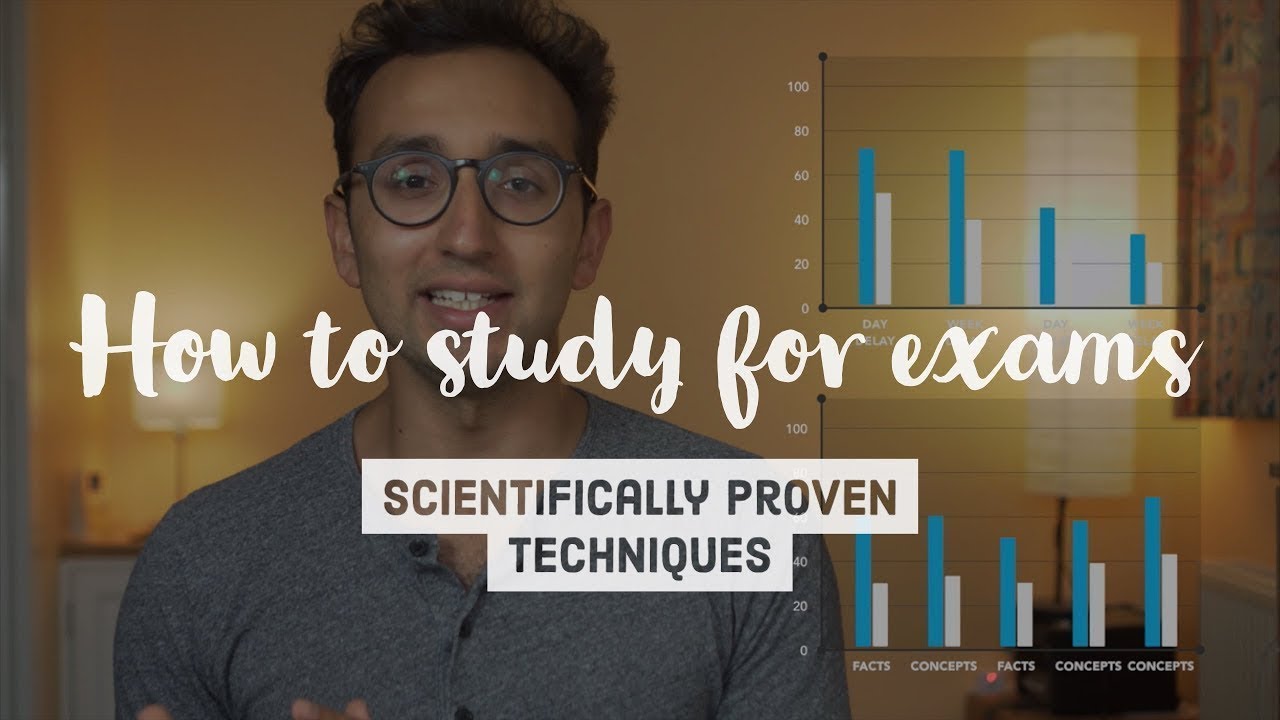
How to study for exams - Evidence-based revision tips
April 4, 2018
5,453,858
244,445
5,413
4.58%
Search the Record
IndexedEvery word spoken in this episode is indexed. Type any phrase to jump straight to the moment it was said.
Type any word or phrase that may have been spoken. Click a result to seek the player to that exact moment.
Try a name, a topic, or a quoted line
Ali Abdaal Episodes Around April 4, 2018
See what was published immediately before and after this episode.




 20:59Now Playing
How to study for exams - Evidence-based revision tips


Segments
YouTube Description
as posted by the channelJoin my FREE quarterly goalsetting and reflection workshop on Saturday 20th September
MY PRODUCTIVITY APPS
📝 MomentumEnergising Habits (iOS) Download Here →
👻 VoicepalAI Writing App (iOS/Android) Download for Free →
MY BOOK
📕 My New York Times bestselling book FeelGood Productivity (2,000+ 5star reviews)
MY COURSES
🚀 Build a $100k/year lifestyle business without quitting your day job →
🧠 My Productivity SystemLifeOS →
🤑 Grow / Monetise your YouTube Channel →
CONNECT WITH ME
💌 Join LifeNotes, my weekly email where I share what I’m reading & learning
🌍 My website / blog
------------
🎬 Check out my FREE 36video online class on how to study for exams
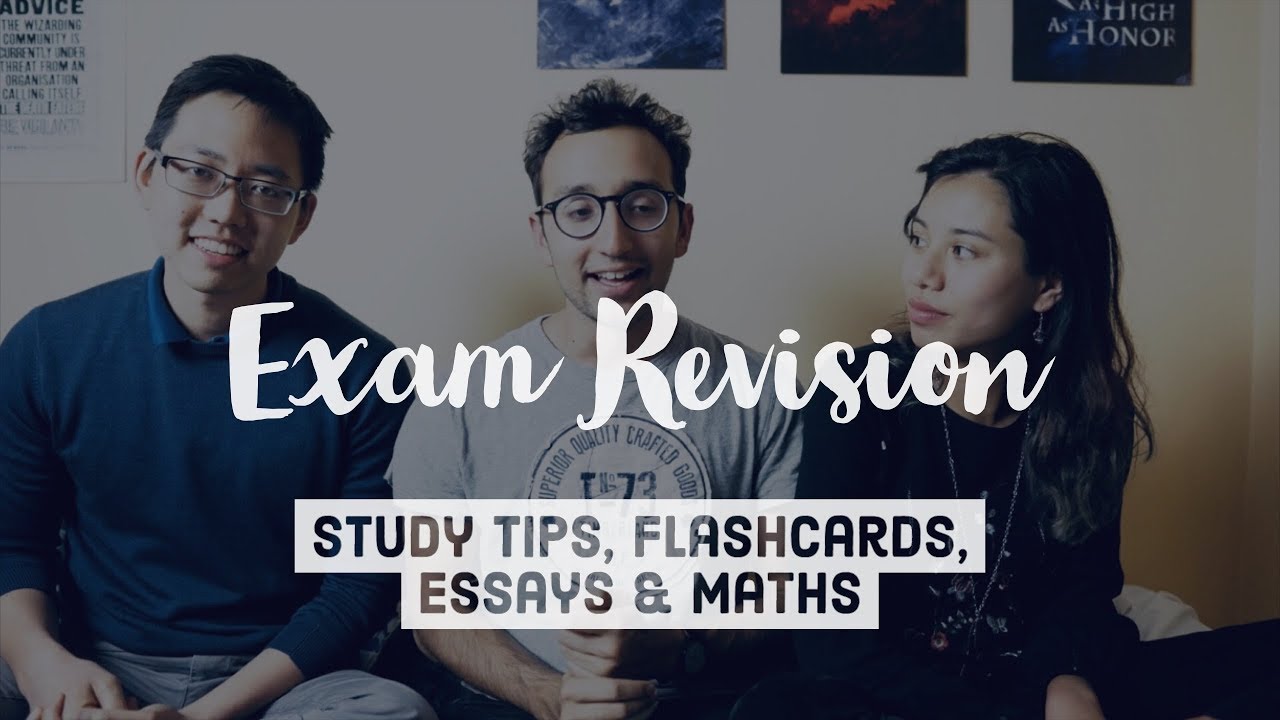
Today we're learning how to study for exams with scientifically-proven techniques. We start by talking about why rereading, highlighting and summarising are pretty inefficient, and then talk about the evidence behind Active Recall as the most efficient revision technique. We end with a few suggestions as to how to incorporate Active Recall into your study routine. Enjoy xx
🍿WATCH NEXT:
How I Take Notes on My iPad Pro in Medical School
How I Ranked 1st at Cambridge University
How I Manage My Time (10 Tips)
My Favourite NoteTaking App for Students
TIMESTAMPS:
1. 01:29 - Popular but inefficient technique #1 - Rereading
2. 03:29 - Popular but inefficient technique #2 - Highlighting
3. 04:51 - Popular but inefficient technique #3 - Summarising
4. 06:42 - Active Recall, and the evidence behind why it's the most effective revision strategy.
5. 09:18 - Study #1 - Spitzer 1939
6. 10:22 - Study #2 - Butler 2010
7. 11:16 - Study #3 - Karpicke & Blunt 2011
8. 13:41 - Specific, practical strategies for incorporating Active Recall into your revision / study routine.
9. 14:19 - Strategy #1 - Anki flashcards
10. 16:07 - Strategy #2 - Closed-book spider diagrams
11. 17:33 - Strategy #3 - Questions instead of notes, the Cornell note-taking system
12. 19:18 - Summary and closing remarks
If you’re actually interested in looking up these studies, the Dunlosky review paper (Link #1 below) is probably the best place to start. The references section there is full of useful links, all of which i cba to include in this video description :)
1. Dunlosky et al 2013 [Improving Students’ Learning With Effective Learning TechniquesPromising Directions From Cognitive and Educational Psychology. PubMed NCBI]()
2. Karpicke 2016 [A powerful way to improve learning and memory]()
3. Spitzer 1939
4. Butler 2010
5. Karpicke & Blunt 2011 [Retrieval Practice Produces More Learning than Elaborative Studying with Concept Mapping | Science]()
6. Anki [Anki powerful, intelligent flashcards]()
7. Make it Stick
8. Podcast episode with the author of 'Make it Stick'
MY FAVOURITE TOOLS
🚀 VidIQ How I optimise my YouTube videos
✍️ Shortform The BEST summaries of books
📚 Readwise How I remember what I read
🎵 Epidemic Sound Where I get my music (amazing for YouTubers)
PS: Some of the links in this description are affiliate links that I get a kickback from 😜
PSI donate 10% of my income to charity every year. Would you like to join me? Learn more about the 10% Pledge
Links & Promotions
Guests & Subjects Covered
Sentinel Indexing in Progress
Metadata and chapters are available. Claim extraction for this episode is pending.
All video content is delivered via YouTube embedded players in accordance with the YouTube Terms of Service. Sentinel provides research tools that promote discovery and accountability across political media.