Amna Nawaz
@PBSNewsHour·5.3M subscribers·62.2K videos
Why the poor face a higher cost for banking
Posted
January 7, 2016
Views
8,582
Likes
123
Engagement
1.43%
January 7, 2016
8,582
123
1.43%
Every word spoken in this episode is indexed. Type any phrase to jump straight to the moment it was said.
Type any word or phrase that may have been spoken. Click a result to seek the player to that exact moment.
Try a name, a topic, or a quoted line
 7:48Now Playing
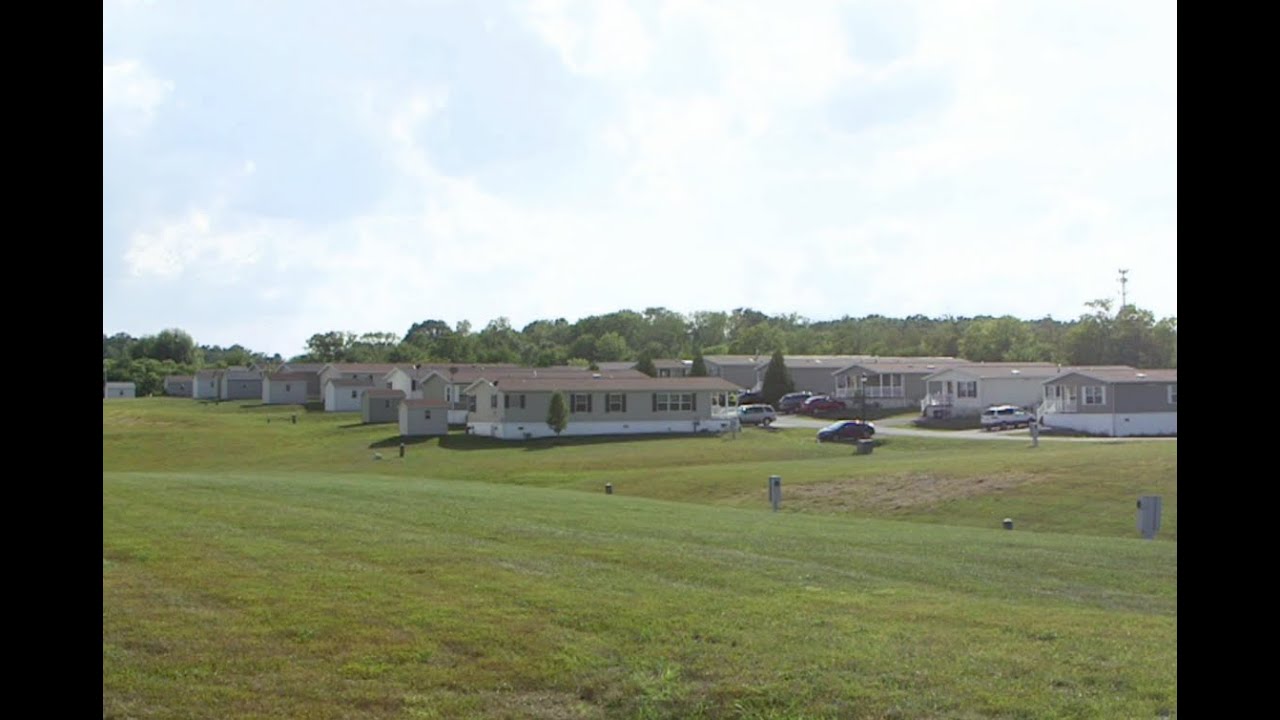
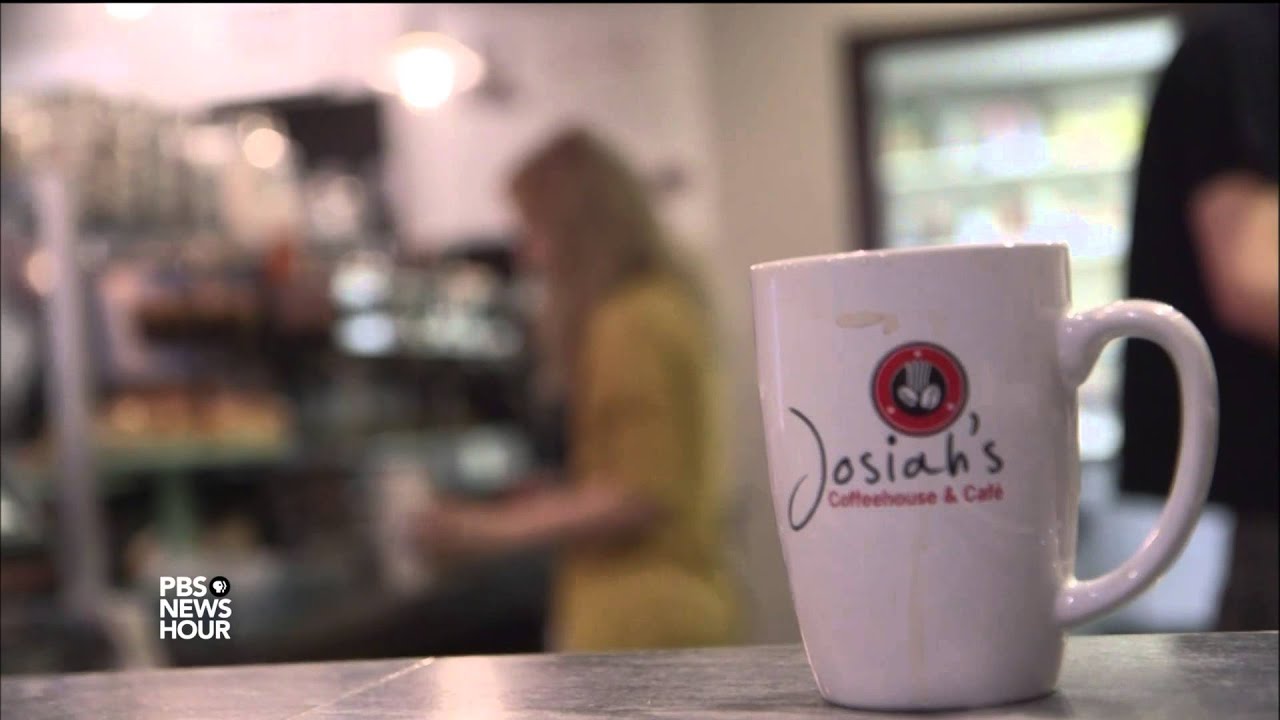
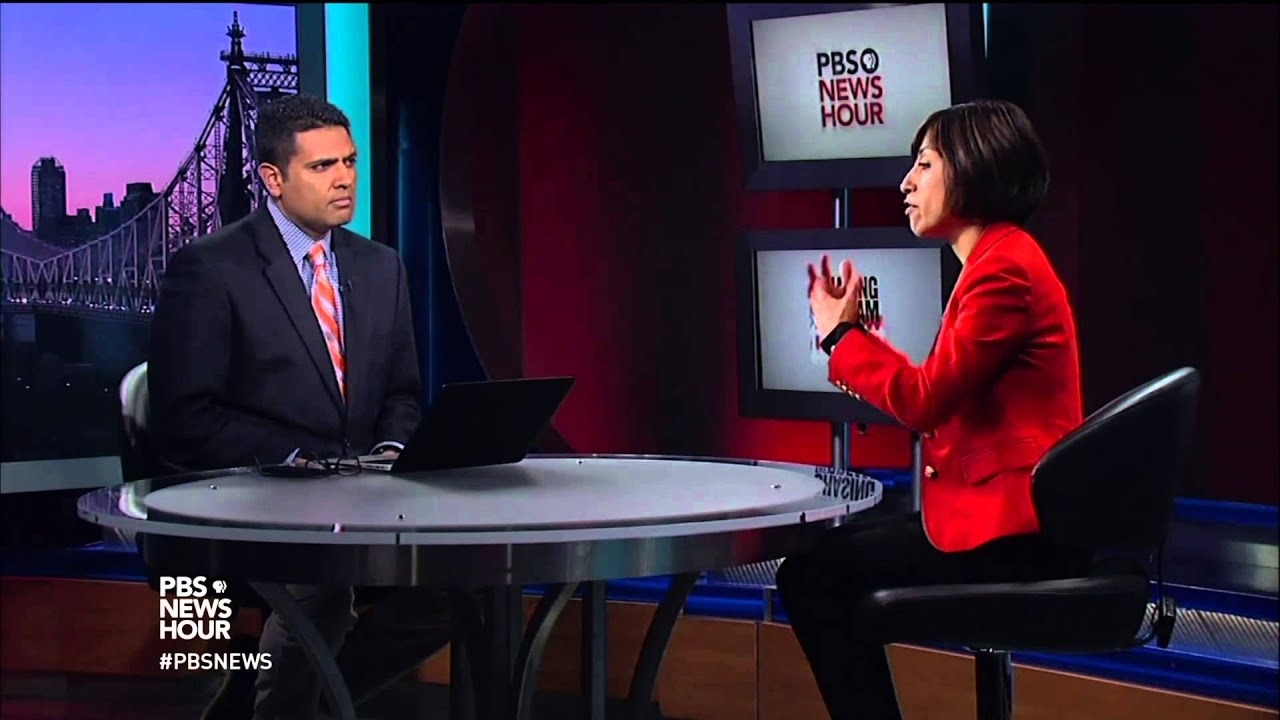
It’s expensive to be poor, but perhaps the widest discrepancy is in the world of banking. Unable to maintain a minimum balance or provide the necessary ID to open a bank account, many poor people rely on fringe financial services like check cashing stores and payday lenders, which charge interest rates that can reach the triple digits.
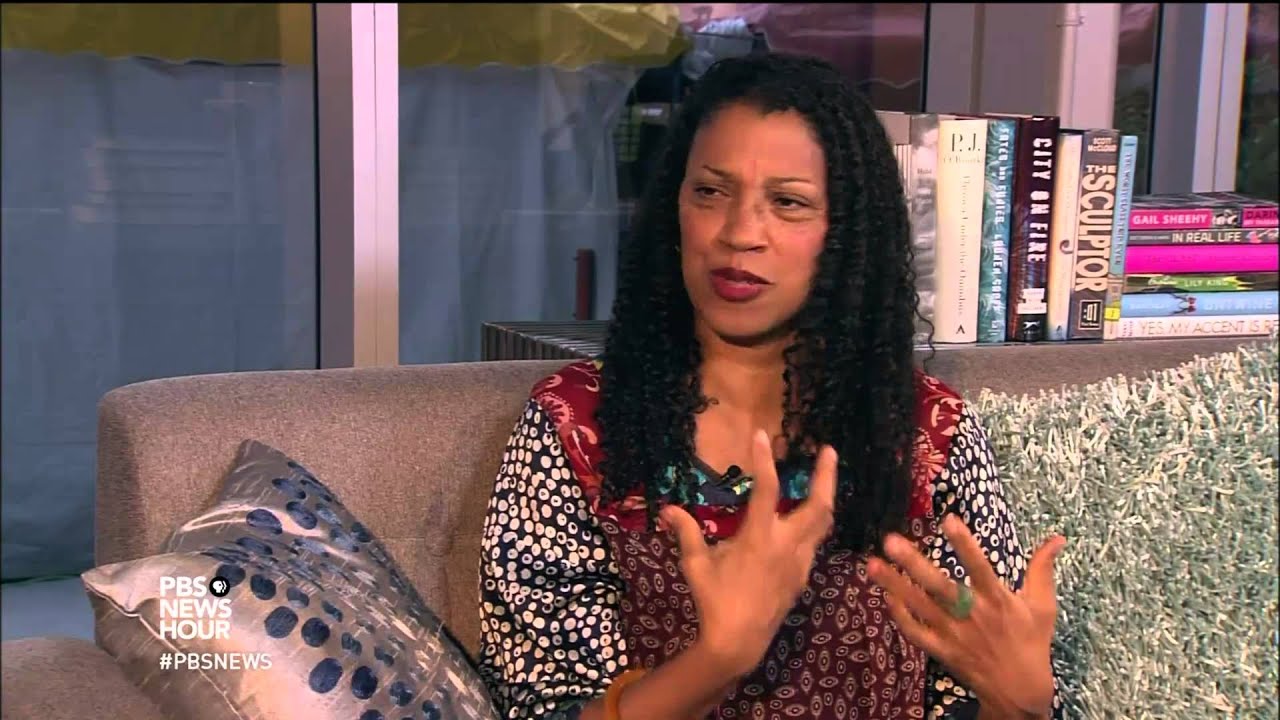
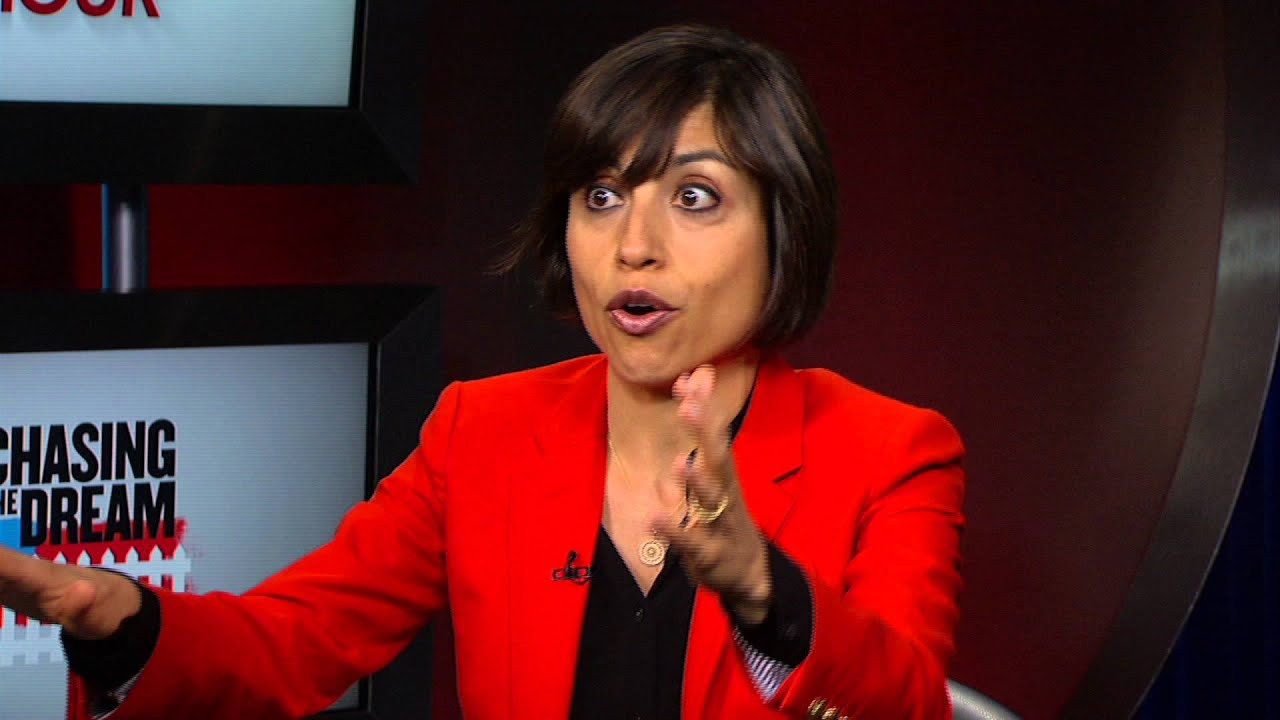
It doesn’t have to be that way, says Mehrsa Baradaran, a University of Georgia law professor and author of “How the Other Half Banks,” about inequality in the banking system. Baradaran blames deregulation beginning in the 1970s, which lead to the megabanks we know today — banks so big they can no longer be bothered with the smaller transactions of low-income Americans. The solution, Baradaran says, is an old one — postal banking. Mainstream commercial banks have all but abandoned low-income Americans, leaving vast banking deserts in areas of concentrated poverty, she says. But there’s a post office for every zip code in the country. And because the post office isn’t controlled by demanding shareholders, it could offer services at much lower rates than commercial banks.
Sentinel Indexing in Progress
Metadata and chapters are available. Claim extraction for this episode is pending.
All video content is delivered via YouTube embedded players in accordance with the YouTube Terms of Service. Sentinel provides research tools that promote discovery and accountability across political media.