
WATCH: Former Trump supporter Stephen Ayres describes what he’s lost since Jan. 6 guilty plea
July 12, 2022
88,646
851
0.96%
Search the Record
IndexedEvery word spoken in this episode is indexed. Type any phrase to jump straight to the moment it was said.
Type any word or phrase that may have been spoken. Click a result to seek the player to that exact moment.
Try a name, a topic, or a quoted line
Amna Nawaz Episodes Around July 12, 2022
See what was published immediately before and after this episode.



 4:39Now Playing
WATCH: Former Trump supporter Stephen Ayres describes what he’s lost since Jan. 6 guilty plea


YouTube Description
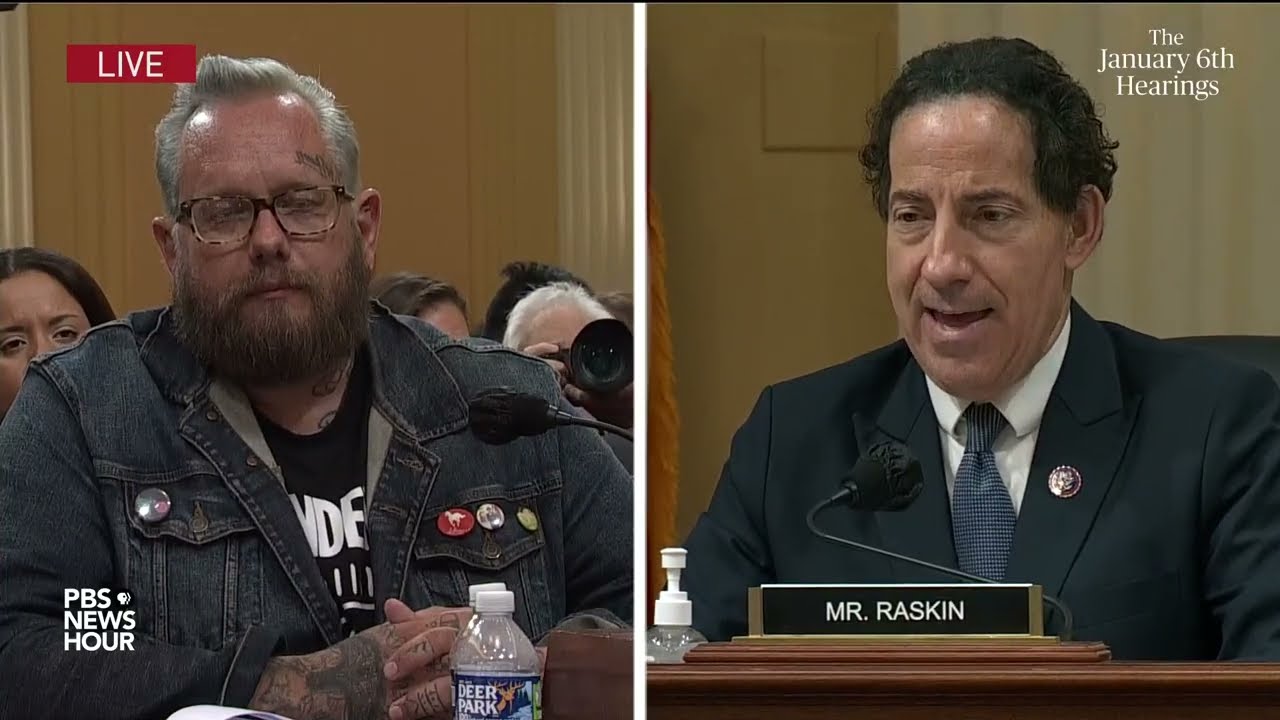
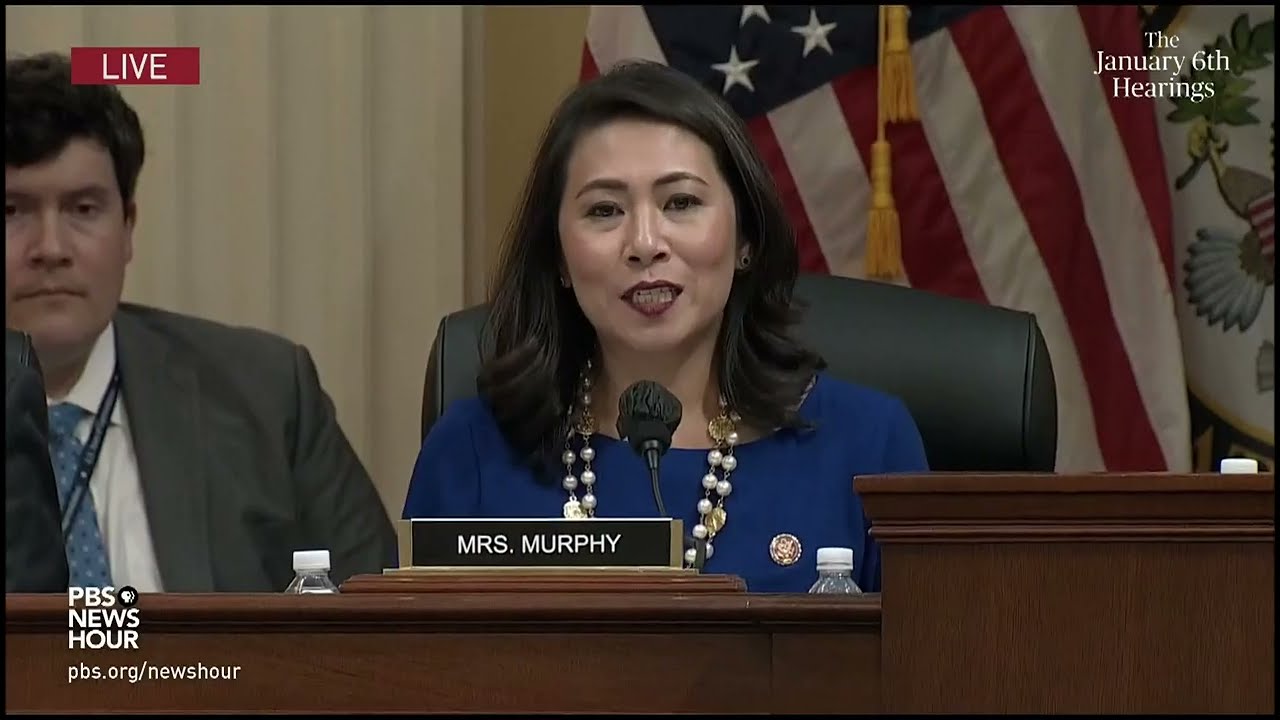
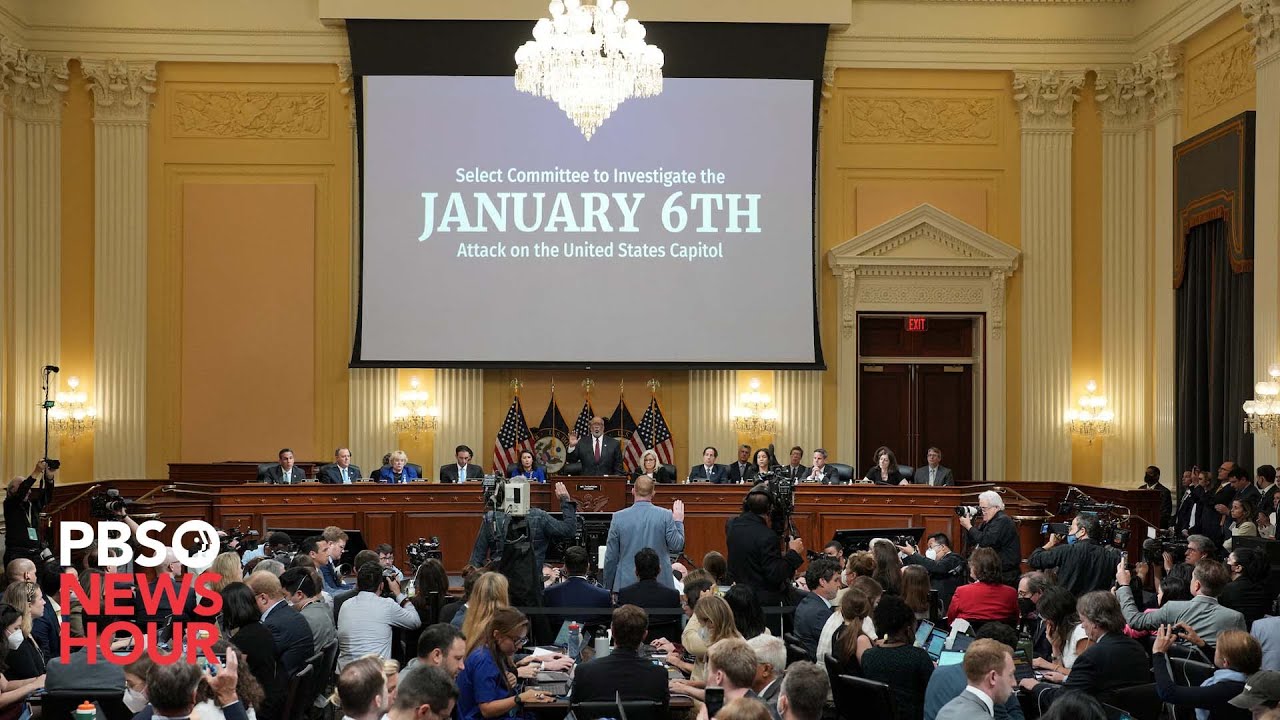
as posted by the channelRep. Jamie Raskin, D-Md., questioned Stephen Ayres, who pleaded guilty to disorderly conduct for entering the U.S. Capitol on Jan. 6, on July 12 as the House committee investigating the Jan. 6 attack presented its findings to the public. The focus of the hearing was on extremist far-right groups like the Proud Boys and the Oath Keepers and the role they played in the Capitol insurrection.
Raskin asked Ayres what prompted him to leave the insurrection, and whether a message shared by former President Donald Trump on social media that afternoon instructing people to go home impacted his actions.
“As soon as that came out, everybody started talking about it. It seemed like it started to disperse some of the crowd. Once we got back to the hotel room, we seen that it was still going on. But it definitely dispersed a lot of the crowd,” Ayres testified, confirming that he and the people he attended the rally left when they saw that message from the former president.
Raskin also asked what has happened in Ayres’ life since Jan 6, noting that his prior testimony confirms that Ayres no longer believes Trump’s false claims of election fraud. Ayres testified that he has since lost his job, sold his house and that his decisions on Jan. 6 changed his life, “definitely not for the better.”
Ayres added that it makes him “mad” that Trump is still spreading lies about the 2020 election, and that he used to hang onto every word the former president said, much like “hundreds of thousands or millions” of other supporters who did the same.
In the year since its creation, the committee has conducted more than 1,000 interviews, seeking critical information and documents from people witness to, or involved in, the violence that day.
Stream your PBS favorites with the PBS app
Find more from PBS NewsHour at
Subscribe to our YouTube channel
Subscribe:
PBS NewsHour podcasts
Newsletters
Guests & Subjects Covered
Sentinel Indexing in Progress
Metadata and chapters are available. Claim extraction for this episode is pending.
All video content is delivered via YouTube embedded players in accordance with the YouTube Terms of Service. Sentinel provides research tools that promote discovery and accountability across political media.