Amna Nawaz
@PBSNewsHour·5.3M subscribers·62.2K videos
WATCH: How hurricanes form and intensify
Posted
September 30, 2022
Views
7,259
Likes
49
Engagement
0.68%
September 30, 2022
7,259
49
0.68%
Every word spoken in this episode is indexed. Type any phrase to jump straight to the moment it was said.
Type any word or phrase that may have been spoken. Click a result to seek the player to that exact moment.
Try a name, a topic, or a quoted line
See what was published immediately before and after this episode.
 1:01Now Playing
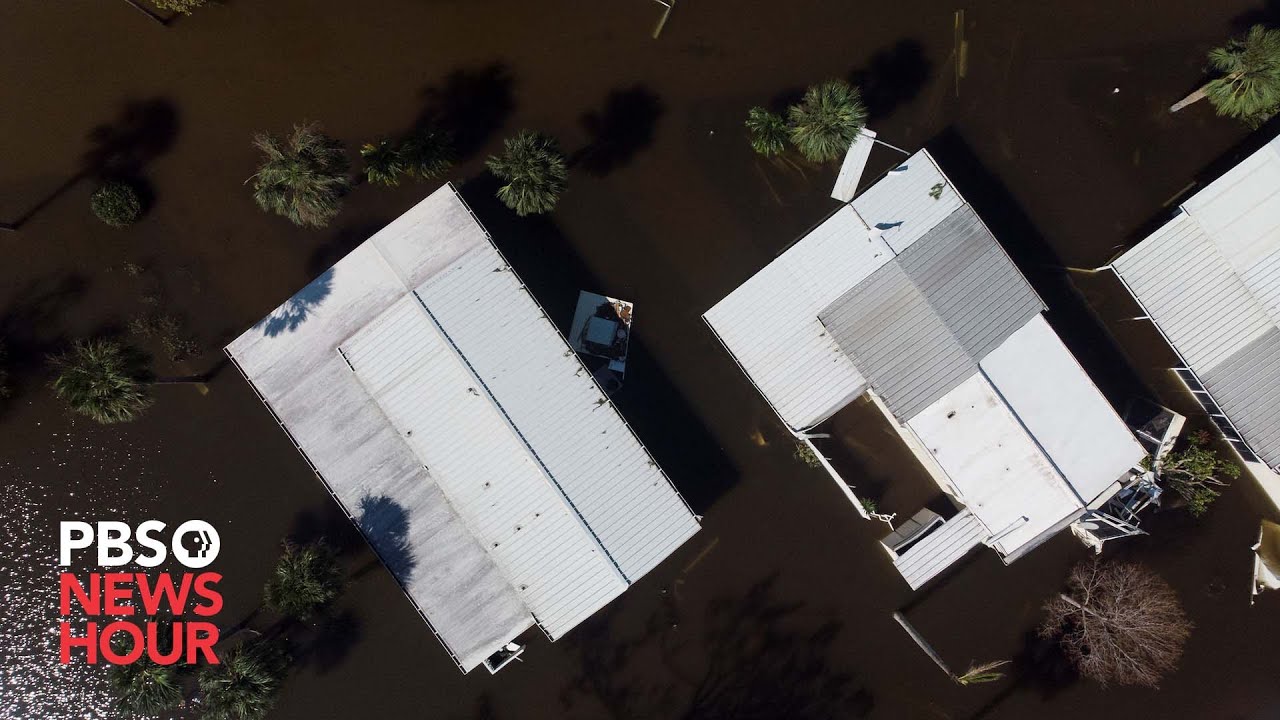
Before Hurricane Ian made landfall near Fort Meyers, Florida, on Wednesday as a Category 4 storm, the cyclone quickly gained strength in a process known as rapid intensification. Warm water in the Caribbean Sea and Gulf of Mexico, combined with little wind resistance in the upper atmosphere, created the ideal conditions for Ian to gain strength – in the 48 hours before landfall, the storm’s wind speed nearly doubled.
Ian is just the latest large storm in recent years to undergo rapid intensification. Harvey, Irma and Michael also quickly gained strength, and scientists say warming waters due to climate change is a key factor. Rising sea temperatures have created conditions for hurricanes to undergo rapid intensification events more often.
Stream your PBS favorites with the PBS app
Find more from PBS NewsHour at
Subscribe to our YouTube channel
Subscribe:
PBS NewsHour podcasts
Newsletters
Sentinel Indexing in Progress
Metadata and chapters are available. Claim extraction for this episode is pending.
All video content is delivered via YouTube embedded players in accordance with the YouTube Terms of Service. Sentinel provides research tools that promote discovery and accountability across political media.