Amna Nawaz
@PBSNewsHour·5.3M subscribers·62.2K videos
New NOAA report finds Arctic now emits more carbon than it stores
Posted
December 18, 2024
Views
6,943
Likes
138
Engagement
1.99%
December 18, 2024
6,943
138
1.99%
Every word spoken in this episode is indexed. Type any phrase to jump straight to the moment it was said.
Type any word or phrase that may have been spoken. Click a result to seek the player to that exact moment.
Try a name, a topic, or a quoted line
 3:23Now Playing
Correction: In this piece, we incorrectly described Alaska Natives as Native Alaskans. We regret the error.
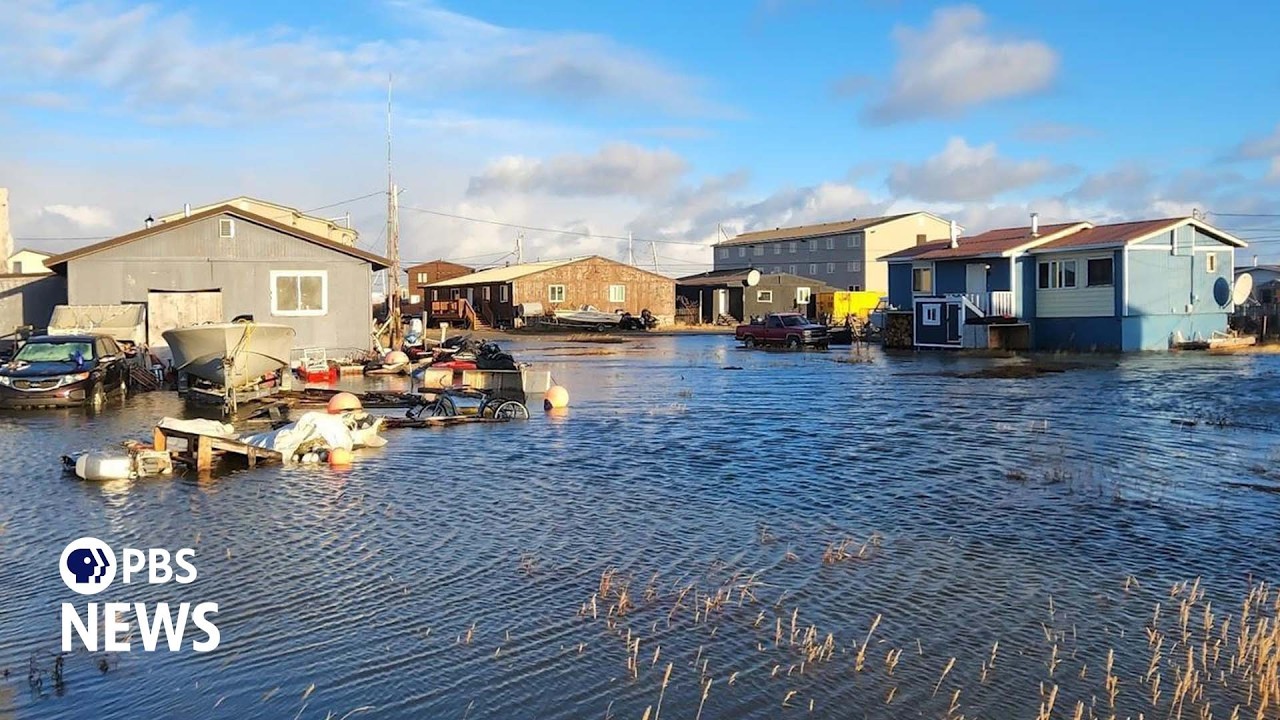
This summer in the Arctic was the wettest on record and the second warmest in more than a century. These findings, from the National Oceanic and Atmospheric Administration's 2024 Arctic Report Card, present significant challenges for Indigenous people.
“This Arctic report card serves as an early warning sign for America as a nation that Alaska, the Arctic, is getting hit first and worst. And as a nation, we need to be prepared,” said Max Neale, manager at Alaska Native Tribal Health Consortium’s Center for Environmentally Threatened Communities.
The report card found that the Arctic, which typically traps carbon in its frozen soil, now emits more carbon than it stores because of increased wildfires and melting permafrost. That shift, scientists say, will make climate change worse. Here's a look at what these warnings mean in particular for Alaska's Indigenous communities.
Subscribe for exclusive content in our newsletters
PBS News podcasts
Stream your PBS favorites with the PBS app
Find more from PBS News at
Subscribe to our YouTube channel
Sentinel Indexing in Progress
Metadata and chapters are available. Claim extraction for this episode is pending.
All video content is delivered via YouTube embedded players in accordance with the YouTube Terms of Service. Sentinel provides research tools that promote discovery and accountability across political media.