Amna Nawaz
@PBSNewsHour·5.3M subscribers·62.2K videos
Congress grills Trump trade rep about tariff fallout
Posted
April 8, 2025
Views
14,004
Likes
340
Engagement
2.43%
April 8, 2025
14,004
340
2.43%
Every word spoken in this episode is indexed. Type any phrase to jump straight to the moment it was said.
Type any word or phrase that may have been spoken. Click a result to seek the player to that exact moment.
Try a name, a topic, or a quoted line
See what was published immediately before and after this episode.
 2:40Now Playing
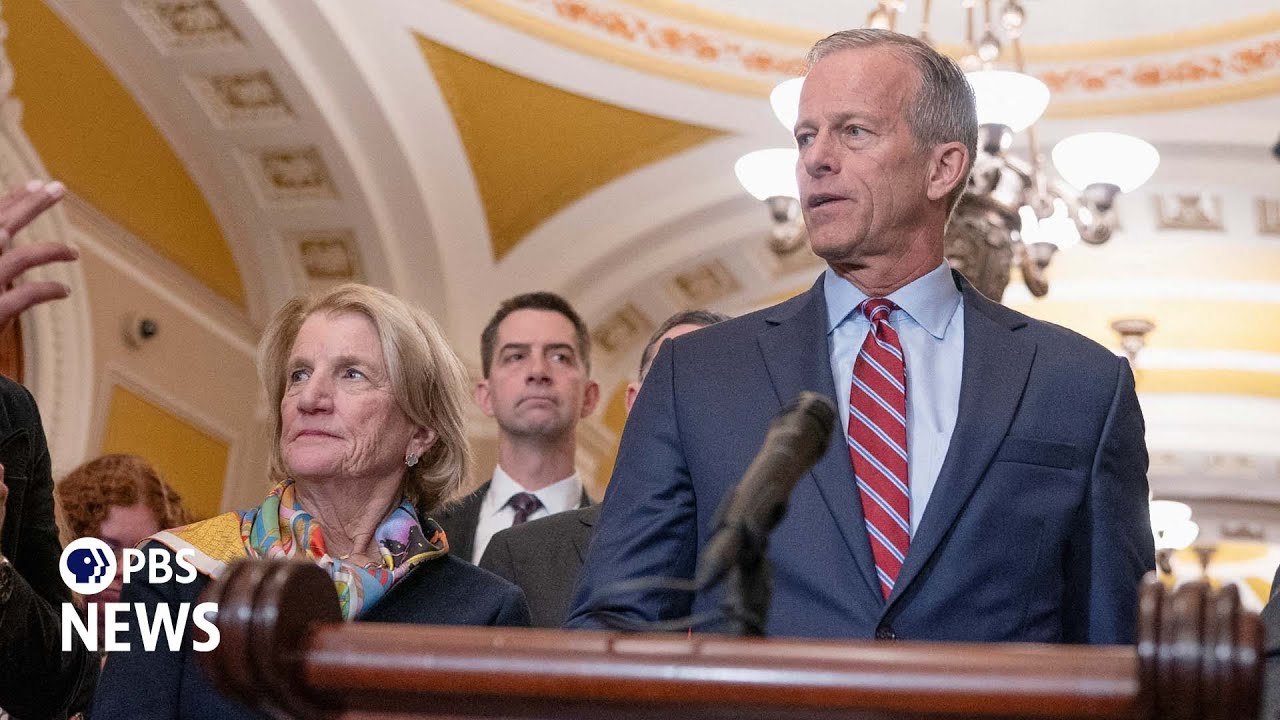
A Republican senator asked U.S. Trade Representative Jamieson Greer on Tuesday “whose throat do I get to choke” if the Trump administration’s tariff plans are unsuccessful.
The comment from Sen. Thom Tillis of North Carolina came during a Finance Committee hearing where Greer answered concerns about the dramatic trade policy set to take effect Wednesday at midnight.
Tillis described his phrase as a concept from management consulting that means someone has to be accountable.
“You can certainly always talk to me,” Greer said in response. “I am at the tip of the spear certainly.”
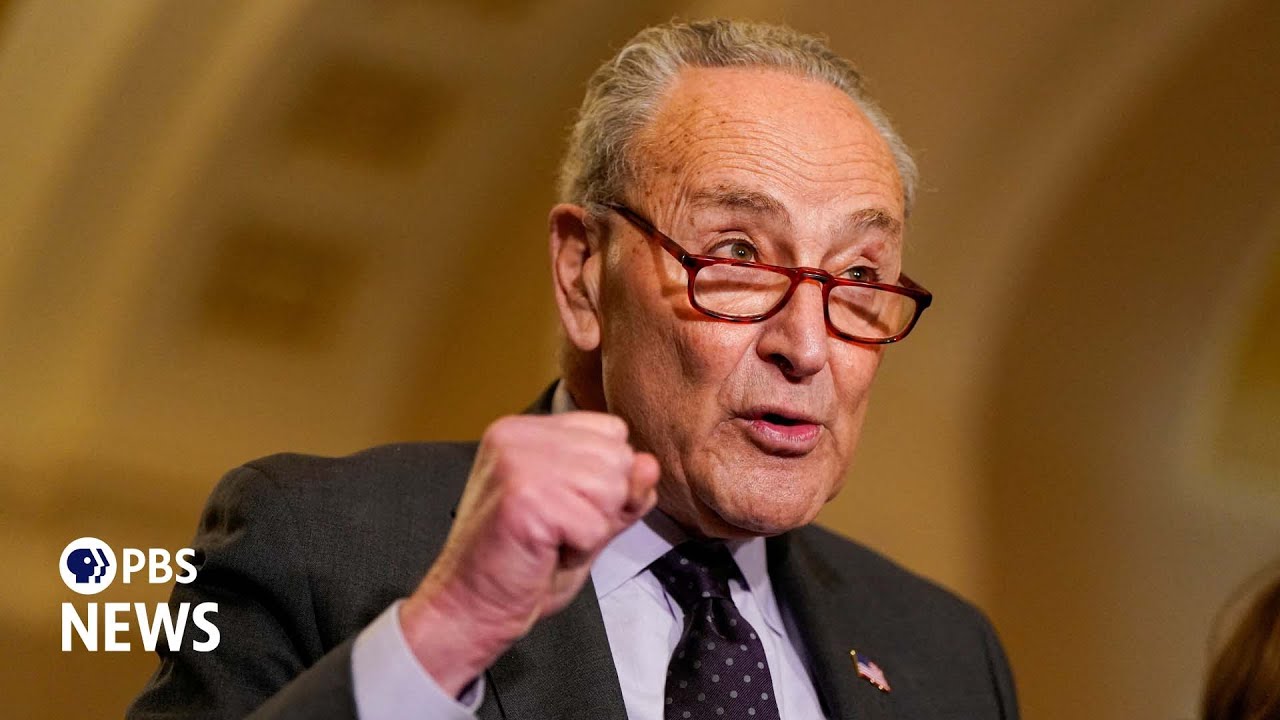
Sen. Maggie Hassan, D-N.H., grilled Greer about possible course corrections the Trump administration could take if the stock market continued to plunge further as a result of trade and tariff moves.
“You're not going to say here today that you would reverse course,” she asked, “even if you crashed the stock market and harmed retirement savings as drastically as happened during the Great Recession in 2007?”
“Senator,” Greer said, “your hypotheticals are not consistent with the history we have seen with the use of tariffs.”
Hassan said her hypotheticals were based on Americans’ concerns over the state of their retirement savings.
“Nothing was thought out about this,” she said. “This has been a haphazard, incompetent effort – and it's showing.”
Meanwhile, Sen. Catherine Cortez Masto, D-Nev., expressed disbelief that Greer and the Trump administration would be able to negotiate trade deals with 50 countries in a timely manner that would eliminate or mitigate any negative effects of tariffs.
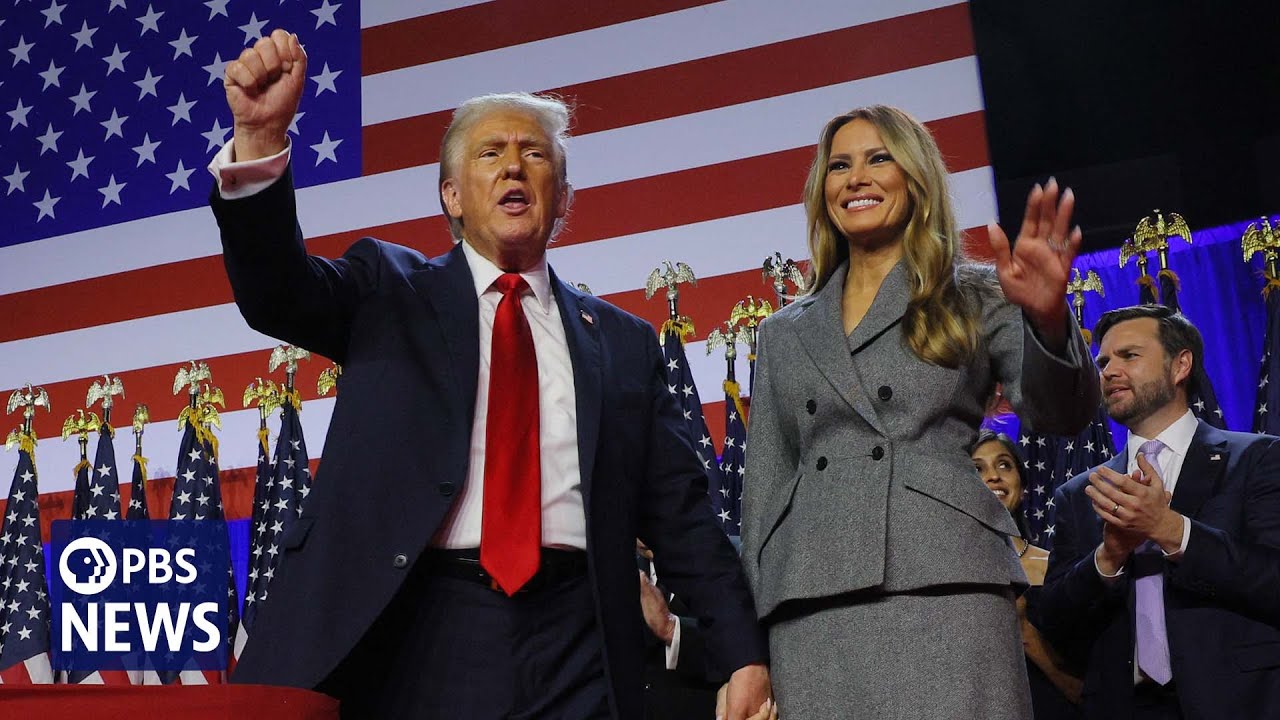
Trump announced the tariffs plan last week in an event he called "Liberation Day," saying they were aimed at resolving a longtime trade deficit with partners around the world. Some Republicans have defended the tariffs, levied across dozens of countries, as a way to create leverage. Democrats, economists and other countries have blasted the plan, emphasizing deep and negative effects for U.S. consumers, as well as wider geopolitical consequences. Several economists have said the formula the White House used to develop the tariffs, which were much higher than expected, is flawed and misunderstands some key trade metrics.
Subscribe for exclusive content in our newsletters
PBS News podcasts
Stream your PBS favorites with the PBS app
Find more from PBS News at
Subscribe to our YouTube channel
Sentinel Indexing in Progress
Metadata and chapters are available. Claim extraction for this episode is pending.
All video content is delivered via YouTube embedded players in accordance with the YouTube Terms of Service. Sentinel provides research tools that promote discovery and accountability across political media.