Amna Nawaz
@PBSNewsHour·5.3M subscribers·62.2K videos
Understanding the stages of starvation
Posted
August 8, 2025
Views
28,692
Likes
1,116
Engagement
3.89%
August 8, 2025
28,692
1,116
3.89%
Every word spoken in this episode is indexed. Type any phrase to jump straight to the moment it was said.
Type any word or phrase that may have been spoken. Click a result to seek the player to that exact moment.
Try a name, a topic, or a quoted line
 8:07Now Playing
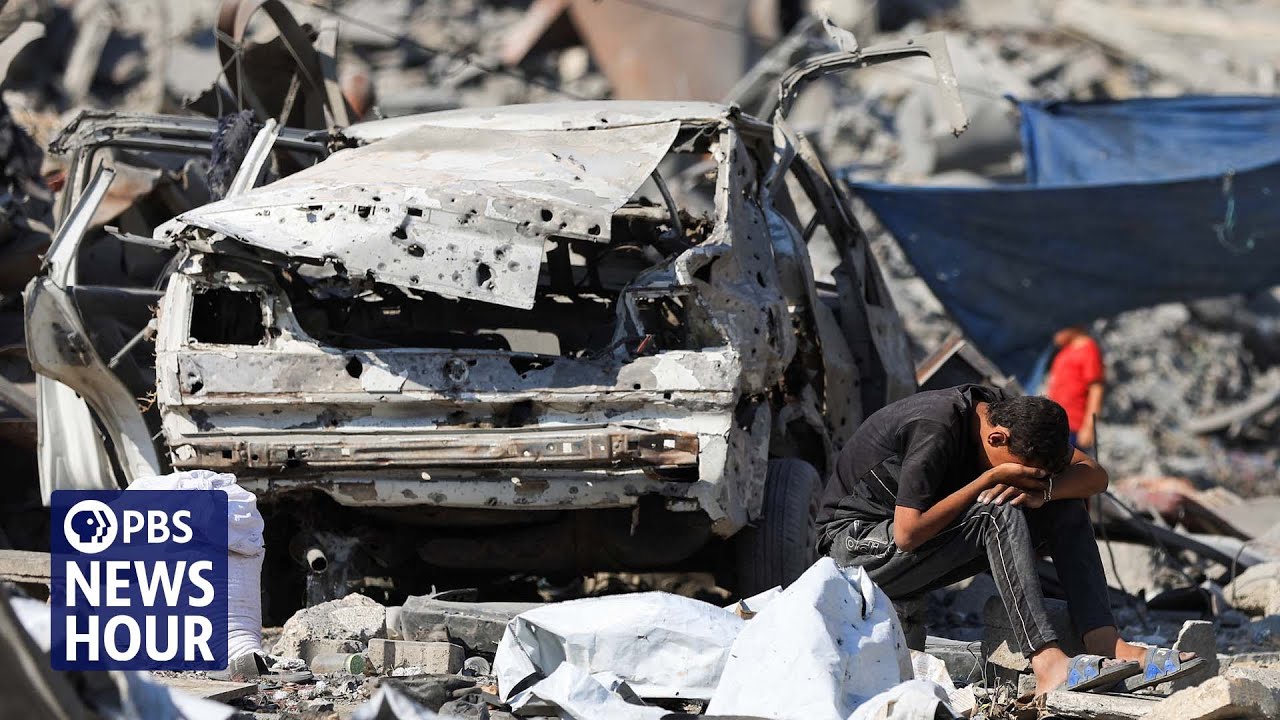
To understand the limits of how little food the human body can endure and to get a better idea of how serious the situation is on the ground in Gaza, PBS News spoke with Jeanette Bailey, the Global Practice Lead for Nutrition at the International Rescue Committee.
“Acute malnutrition is the physiological process that leads to starvation … many children, especially, never even reach that stage of starvation because they succumb to illness far earlier in the acute malnutrition process,” Bailey said.
Bailey explains the stages that lead to starvation-- acute malnutrition, moderate acute malnutrition, severe acute malnutrition and complicated acute malnutrition-- take time and do not happen immediately.
“Starvation is what happens in one person's body when they don't have enough to eat and they're fighting infection and they become acutely malnourished. That's the end stage of acute malnutrition. Famine is what happens when we see many people in a population experiencing starvation. So once we reach a certain threshold in a population, we then declare a famine," Bailey said, adding that those are the conditions seen in Gaza now, adding that "at least 30% of our children under age five are experiencing acute malnutrition.”
Dr. Mohammed Mansour, the International Rescue Committee’s Senior Nutrition Manager on the ground in Gaza, echoed those observations.
“To be honest that the entire population now are starving, are entered in hunger …now we reached to the fifth stage, which is famine, because now that most people cannot access to food.”
Both Mansour and Bailey say that the food aid that is making its way into Gaza is not enough to combat the scope of starvation happening now.
According to the United Nations, more than 20,000 children were hospitalized in Gaza for malnutrition between April and mid July. Food and medical aid, therapeutic medicines and support to an entire health system is what's necessary to stop short and long term impacts of the man-made famine happening in Gaza.
Subscribe for exclusive content in our newsletters
PBS News podcasts
Stream your PBS favorites with the PBS app
Find more from PBS News at
Subscribe to our YouTube channel
Sentinel Indexing in Progress
Metadata and chapters are available. Claim extraction for this episode is pending.
All video content is delivered via YouTube embedded players in accordance with the YouTube Terms of Service. Sentinel provides research tools that promote discovery and accountability across political media.