Amna Nawaz
@PBSNewsHour·5.3M subscribers·62.2K videos
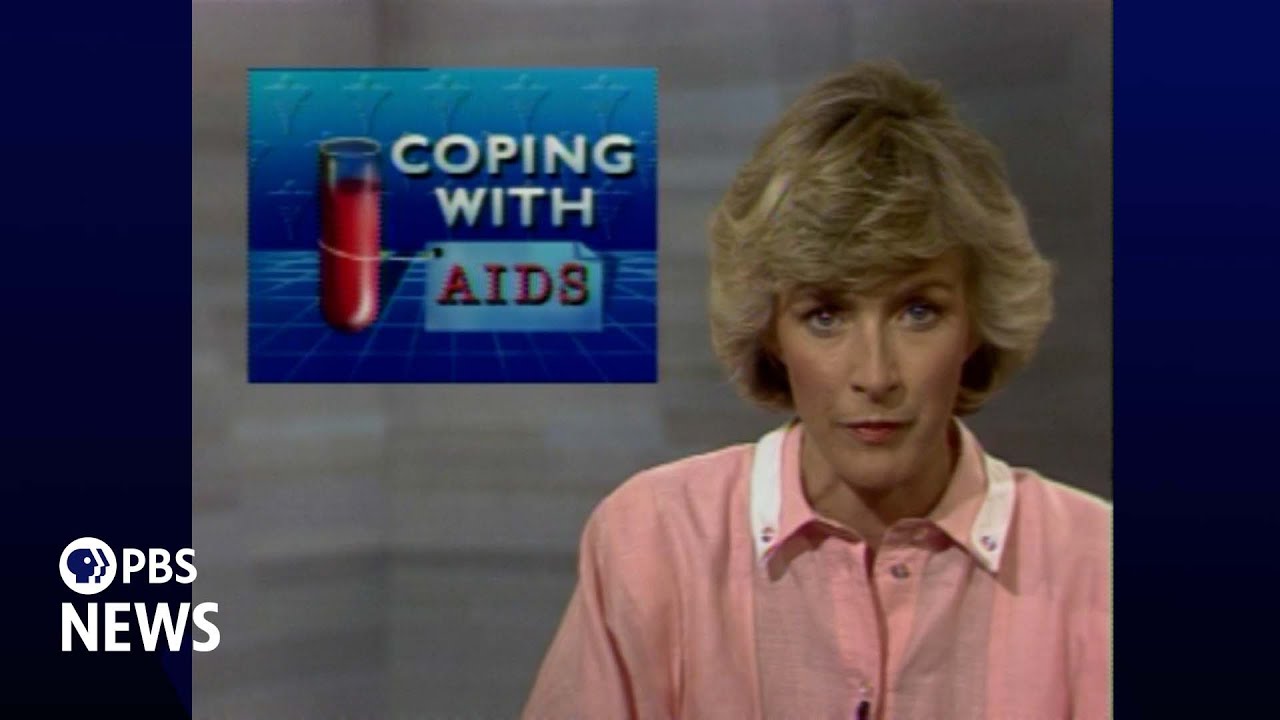
WATCH: ‘Coping with AIDS’ on The MacNeil/Lehrer NewsHour in 1985
Posted
October 20, 2025
Views
2,584
Likes
49
Engagement
1.90%
October 20, 2025
2,584
49
1.90%
Every word spoken in this episode is indexed. Type any phrase to jump straight to the moment it was said.
Type any word or phrase that may have been spoken. Click a result to seek the player to that exact moment.
Try a name, a topic, or a quoted line
 57:49Now Playing
Reported cases of AIDS hit new highs in 1985, a time when, as Judy Woodruff said, there was “no cure, treatment or preventative vaccine in sight” and misinformation, fear and discrimination abounded when it came to how the disease is transmitted.
On Sept. 4, 1985, the NewsHour devoted most of its program to sober, fact-based conversations about the disease and the social fallout for patients. The show introduced viewers to two people whose lives had been upended: Gar Traynor, a flight attendant from San Francisco who was fired after he told his employer he had AIDS, as well as Ryan White, an Indiana boy with hemophilia who became an icon and namesake for the movement to help HIV/AIDS patients. At the time, White was attending school via telephone because he wasn’t allowed to attend in person.
The show also featured researcher Mathilde Krim, who argued fervently for the rights of people diagnosed with AIDS.
“To segregate patients with clinical symptoms of AIDS does not protect anybody. It causes a lot of heartbreak and injustice,” Krim told Judy Woodruff.
Sign up for Here's The Deal with Lisa Desjardins
Subscribe for exclusive content in our newsletters
PBS News podcasts
Stream your PBS favorites with the PBS app
Find more from PBS News at
Subscribe to our YouTube channel
Sentinel Indexing in Progress
Metadata and chapters are available. Claim extraction for this episode is pending.
All video content is delivered via YouTube embedded players in accordance with the YouTube Terms of Service. Sentinel provides research tools that promote discovery and accountability across political media.