Amna Nawaz
@PBSNewsHour·5.3M subscribers·62.2K videos
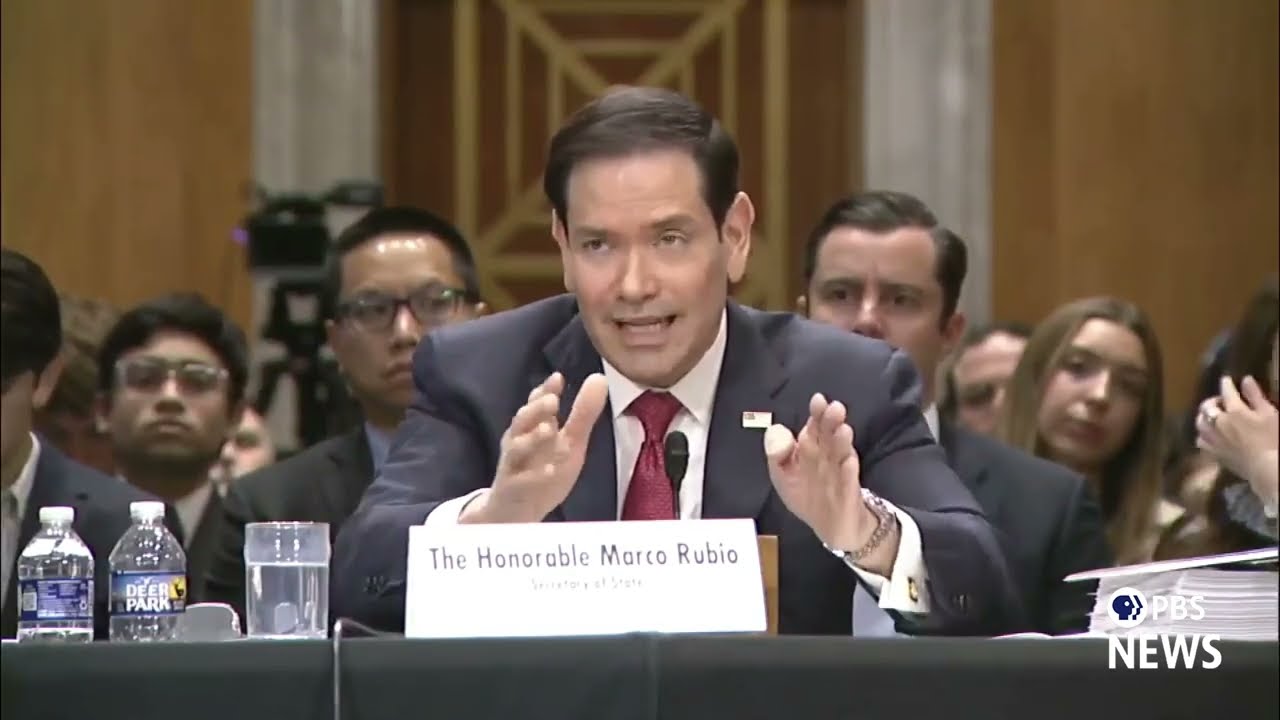
WATCH: Sen. Murphy presses Rubio on what it will take to reopen the Strait of Hormuz
Posted
June 2, 2026
Views
11,203
Likes
145
Engagement
1.29%
June 2, 2026
11,203
145
1.29%
Every word spoken in this episode is indexed. Type any phrase to jump straight to the moment it was said.
Type any word or phrase that may have been spoken. Click a result to seek the player to that exact moment.
Try a name, a topic, or a quoted line
 5:47Now Playing
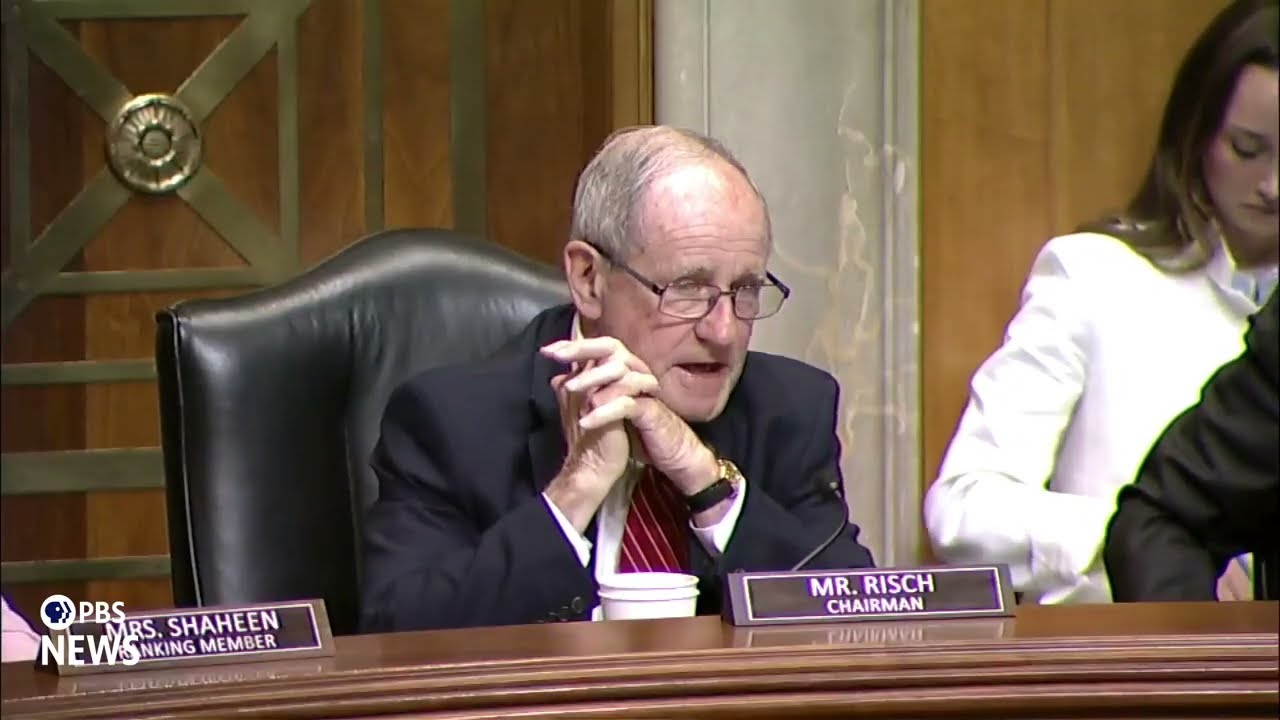
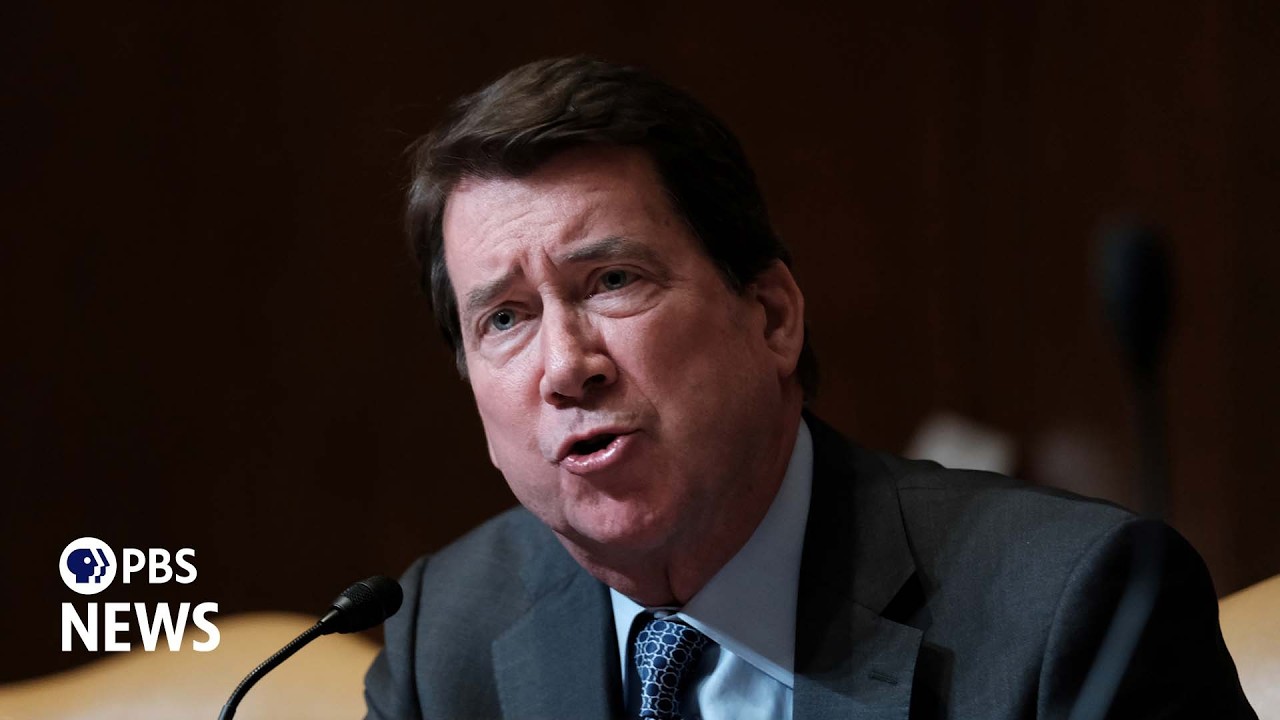
Sen. Chris Murphy, D-Conn., told Secretary of State Marco Rubio in a hearing Tuesday that information around whether the U.S. is nearing a deal with Iran has been “indecipherable,” asking him for “a little insight into what your bottom lines are."
"What is going to get the Strait [of Hormuz] reopened?" Murphy asked
On Monday, President Donald Trump sent conflicting messages over the status of negotiations to extend a ceasefire and end the war.
Trump told NBC News on Monday that the U.S. and Iran had been “talking too much,” and that "going silent would be very good.” He told CNBC, "I really don't care,” when asked about the negotiations.
Later in the day, Trump said the talks were “continuing at a rapid pace.”
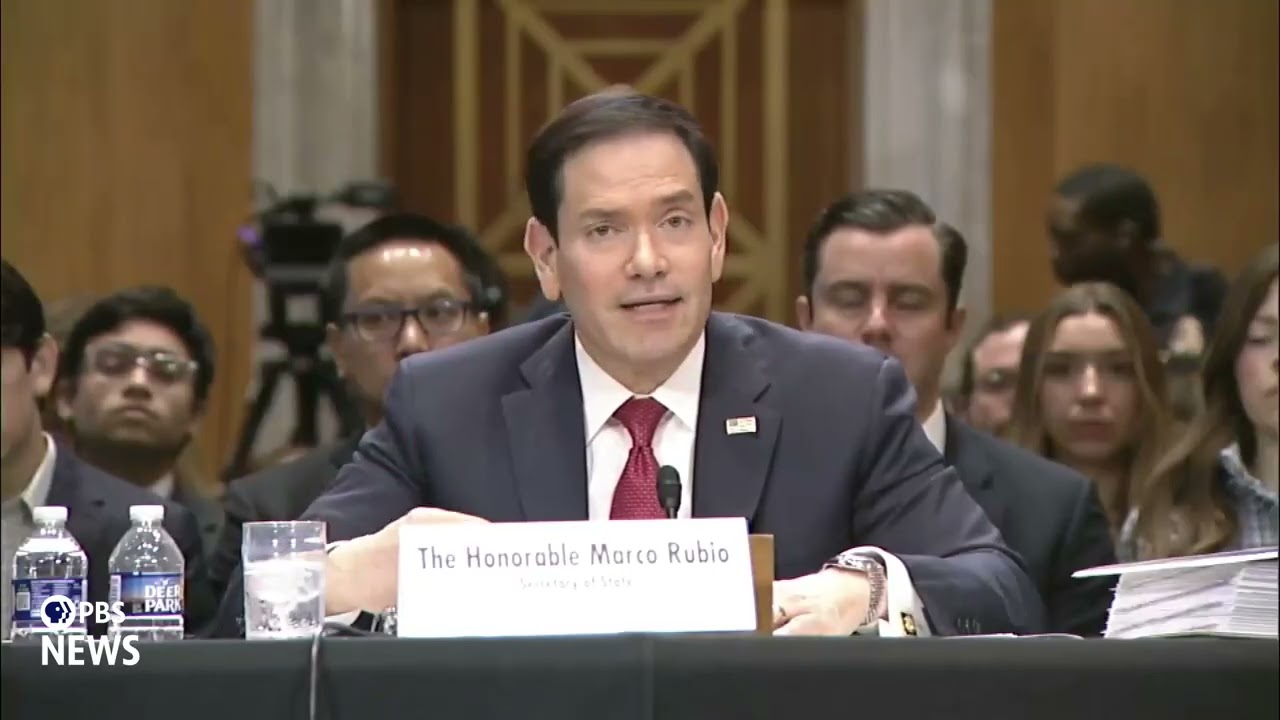
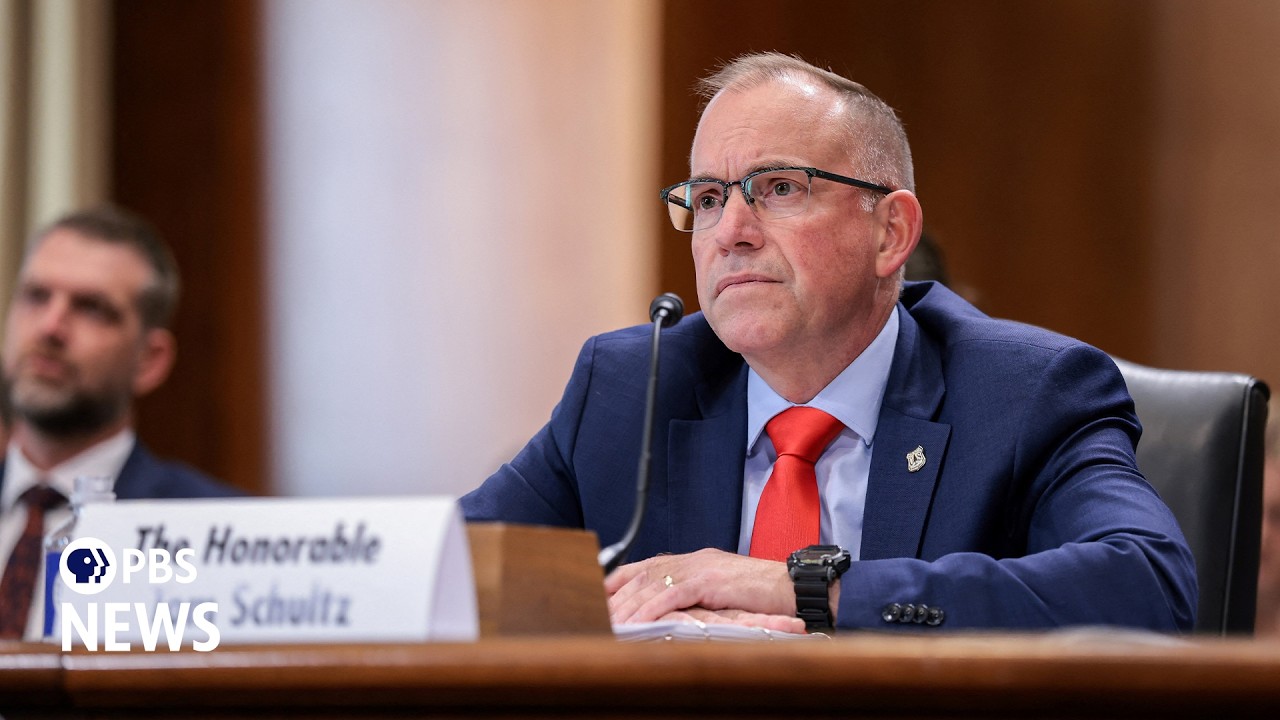
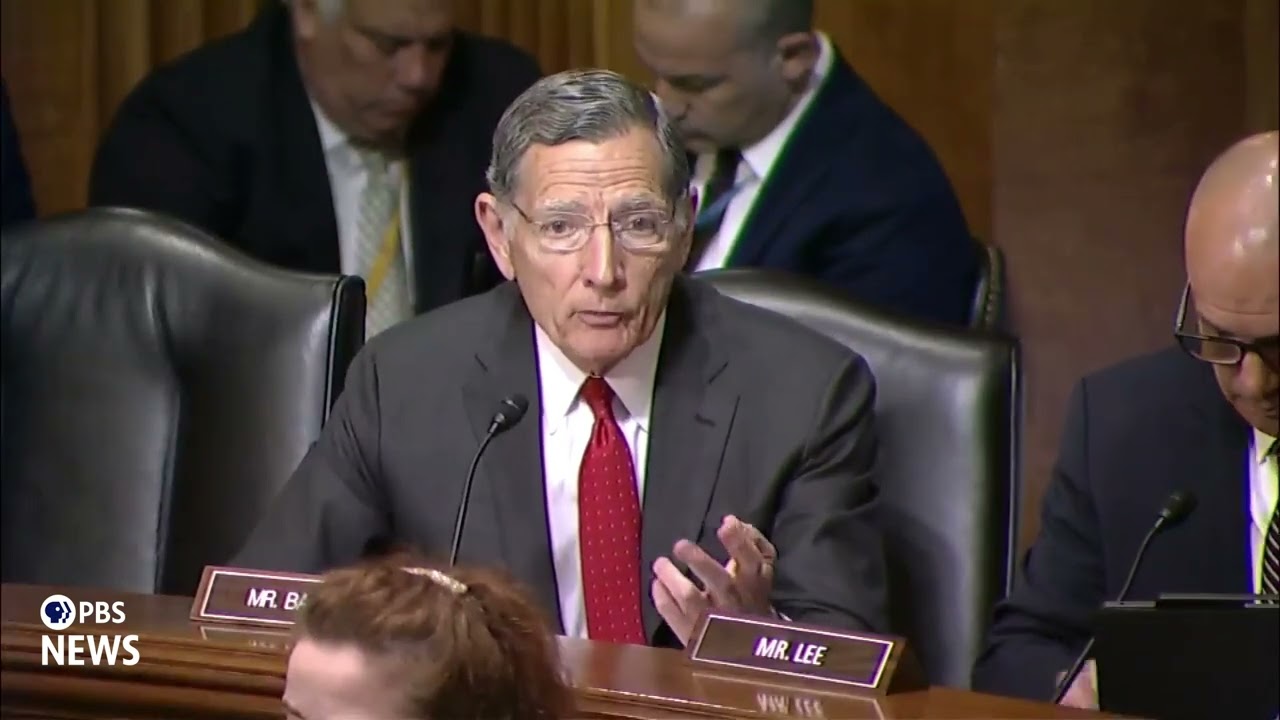
In Tuesday's hearing before the Senate Committee on Foreign Relations, Rubio laid out U.S. conditions for talks to proceed.
“Condition No. 1 is they have to reopen the straits, and reopening the straits means the following: Ships can sail through international waters the way they can do through other choke points around the world without being fired upon, without paying a toll.”
Murphy pushed back, saying the Strait of Hormuz is closed “because of our decision to invade Iran. This is a consequence of our military actions.”
“How are we going to get it reopened?” Murphy asked.
Rubio said opening the Strait Hormuz is “a predicate to anything else happening.”
Murphy asked Rubio what commitments Iran needs to make in order for the Strait of Hormuz to reopen.
“In addition to the straits, that's the predicate that opens the door to phase two,” Rubio said. “Phase two is they have to commit to very specific negotiations on the disposition of the highly enriched uranium.”
The details of the second phase of negotiations could take months, “but they have to commit to their willingness to do that.”
Murphy asked Rubio whether he would be willing to release sanctions or frozen money the U.S. is withholding from Iran in order to reach that second phase.
“Any sanctions relief is condition-based, which means it has to be in return for the reason why those sanctions were put in place in the first place, which is their nuclear program,” Rubio said. “If they agree to give up those things, there will be sanctions relief associated with their commitment and compliance.”
Sanctions relief only for opening the Strait of Hormuz has been neither discussed nor offered, Rubio said.
Rubio faced back-to-back hearings before Senate and House committees on Tuesday, his first since the Iran war started at the end of February.
Sign up for Here's The Deal with Lisa Desjardins
Subscribe for exclusive content in our newsletters
PBS News podcasts
Stream your PBS favorites with the PBS app
Find more from PBS News at
Subscribe to our YouTube channel
Sentinel Indexing in Progress
Metadata and chapters are available. Claim extraction for this episode is pending.
All video content is delivered via YouTube embedded players in accordance with the YouTube Terms of Service. Sentinel provides research tools that promote discovery and accountability across political media.