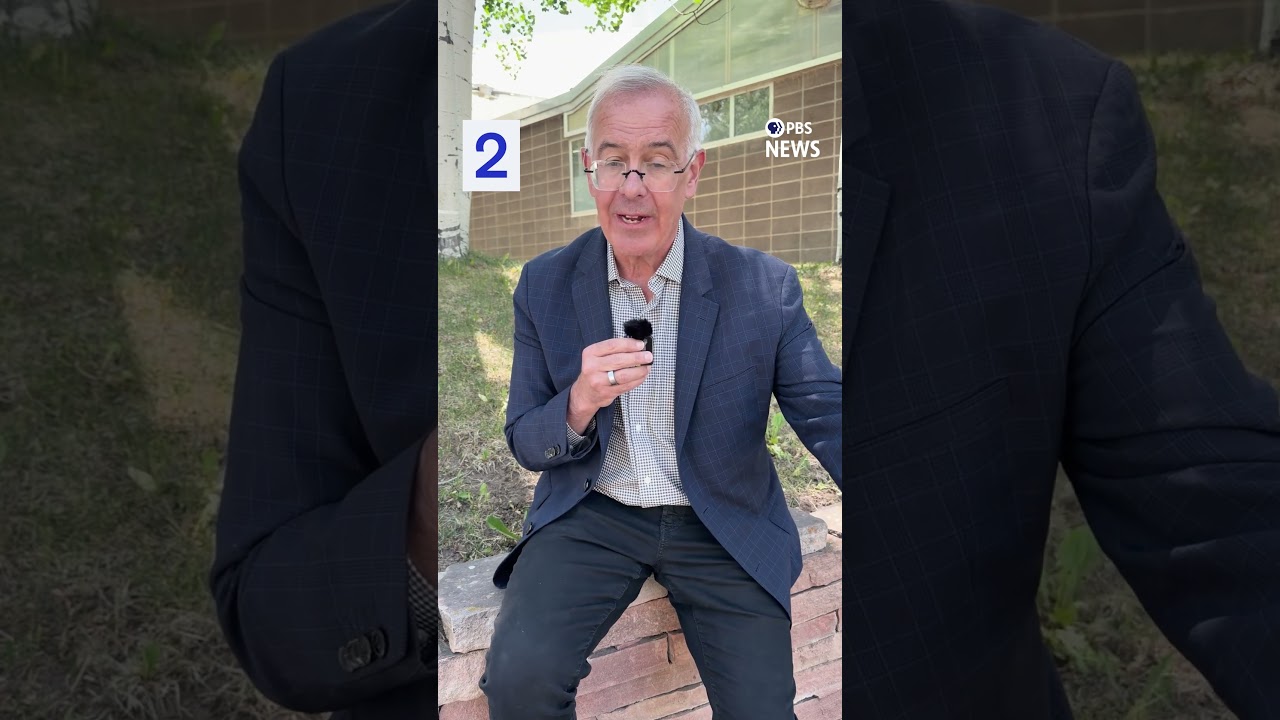
Amna Nawaz
@PBSNewsHour·5.3M subscribers·62.2K videos
How shifts in media increased trust in satirical news
Posted
July 10, 2026
Views
13,952
Likes
1,075
Engagement
7.70%
July 10, 2026
13,952
1,075
7.70%
Every word spoken in this episode is indexed. Type any phrase to jump straight to the moment it was said.
Type any word or phrase that may have been spoken. Click a result to seek the player to that exact moment.
Try a name, a topic, or a quoted line
 2:56Now Playing
Why do Americans trust satirists more than the news media?
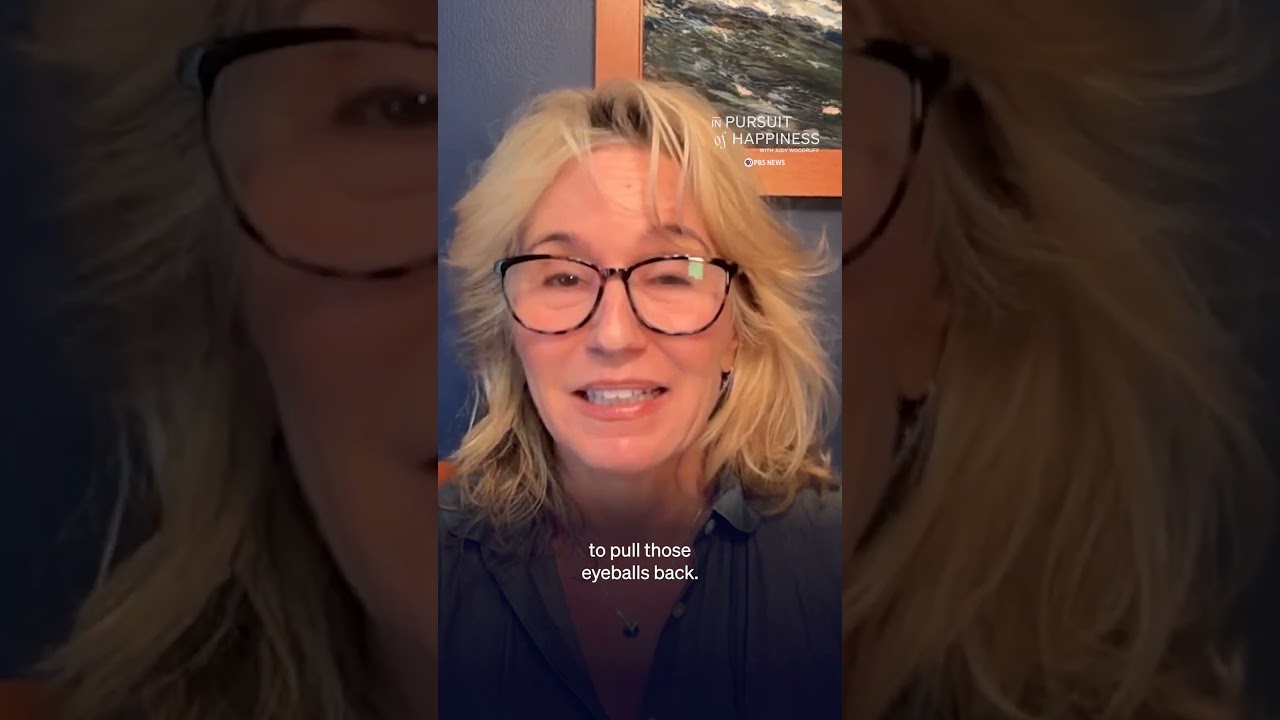
The answer has to do partly with how the media has changed over the years, says Penn State University's Sophia McClennen.
"It starts to change when you get cable, and suddenly you could be watching the news or you could be watching 'Baywatch,'" she told PBS News' Judy Woodruff. "Then the news had to suddenly get a little more entertaining to pull those eyeballs back."
McClennen, a professor of international affairs and comparative literature who has examined the global impact of satire, added that the creation of CNN and the lack of news to fill a 24/7 news channel led to a rise in pundits on television.
"Now the person who's in the audience doesn't get to take the information and form their own opinions," she said. "They're watching opinions fly around, and so they're having a connection that's fully about affect and not about thinking critically."
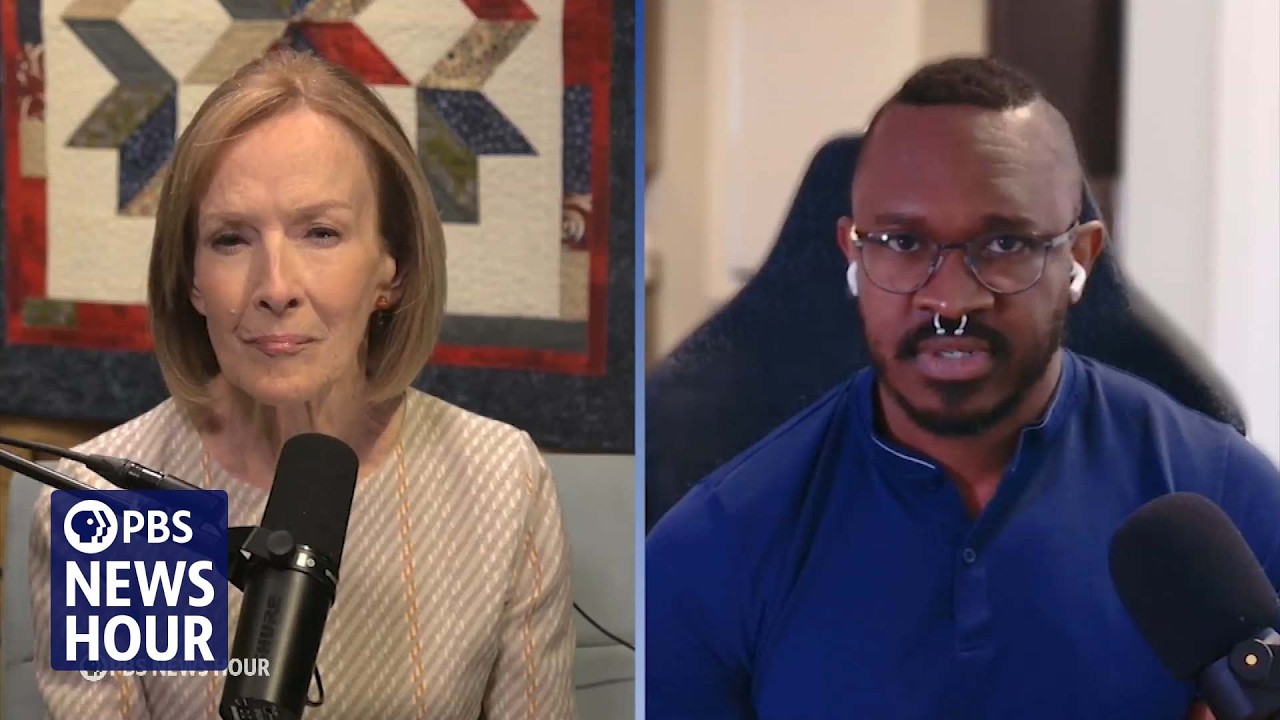
McClennen, along with The Onion's Joshua Johnson, joined Judy Woodruff for the latest episode of PBS News' podcast, "In Pursuit of Happiness." They discussed how Americans use satire to process politics and power.
Sign up for Here's The Deal with Lisa Desjardins
Subscribe for exclusive content in our newsletters
PBS News podcasts
Stream your PBS favorites with the PBS app
Find more from PBS News at
Subscribe to our YouTube channel
Sentinel Indexing in Progress
Metadata and chapters are available. Claim extraction for this episode is pending.
All video content is delivered via YouTube embedded players in accordance with the YouTube Terms of Service. Sentinel provides research tools that promote discovery and accountability across political media.