Amna Nawaz
@PBSNewsHour·5.3M subscribers·62.2K videos
WATCH: Justice Kagan says there are 'downsides' of using Supreme Court's emergency docket
Posted
July 14, 2026
Views
1,554
Likes
38
Engagement
2.45%
July 14, 2026
1,554
38
2.45%
Every word spoken in this episode is indexed. Type any phrase to jump straight to the moment it was said.
Type any word or phrase that may have been spoken. Click a result to seek the player to that exact moment.
Try a name, a topic, or a quoted line
 5:40Now Playing
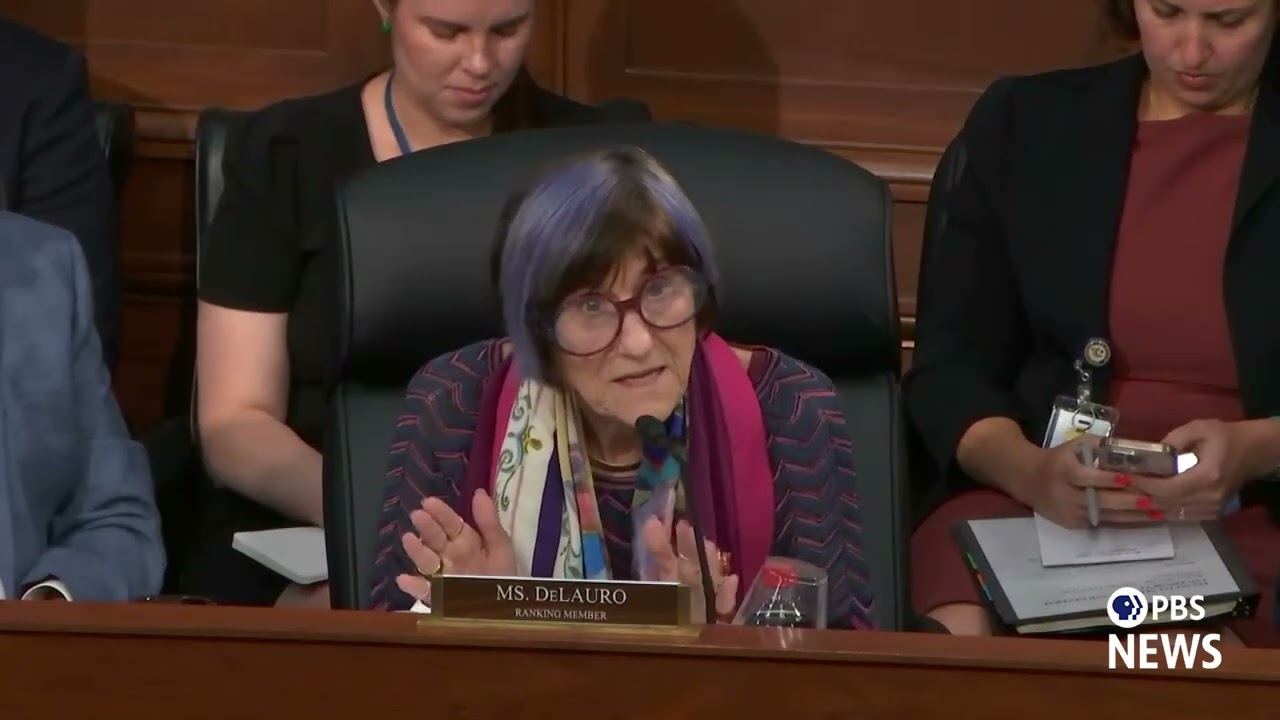
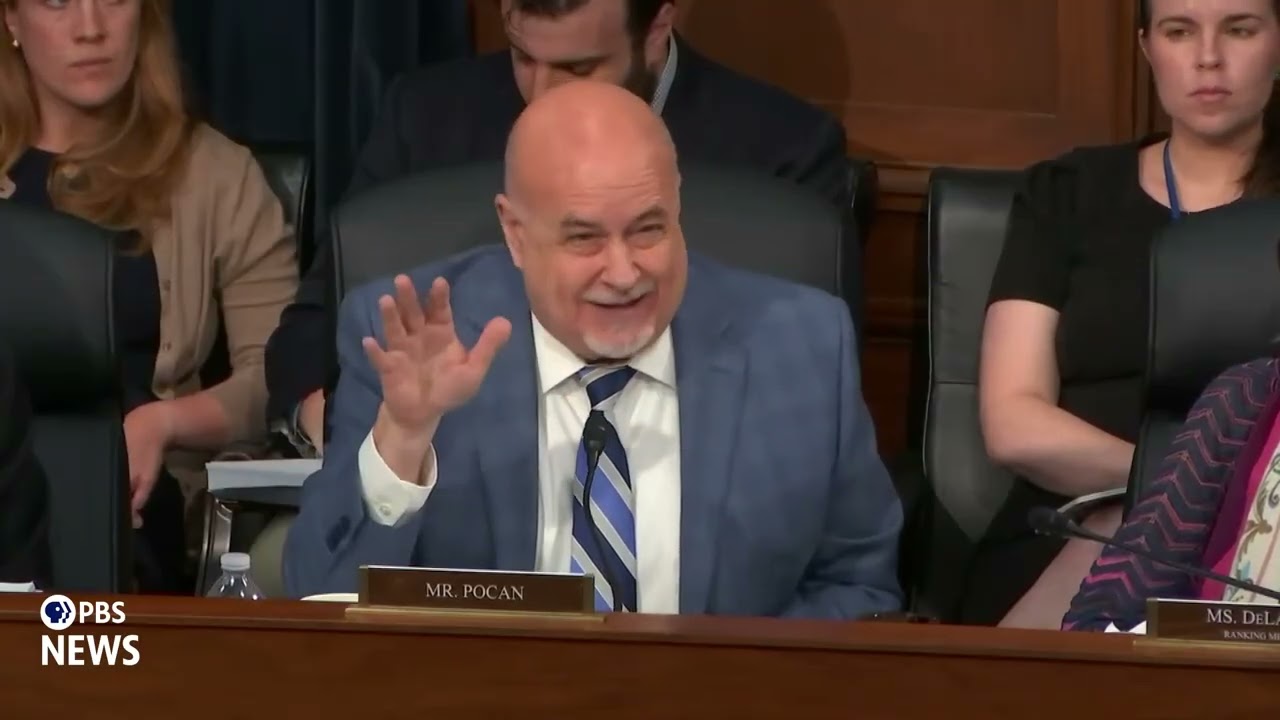
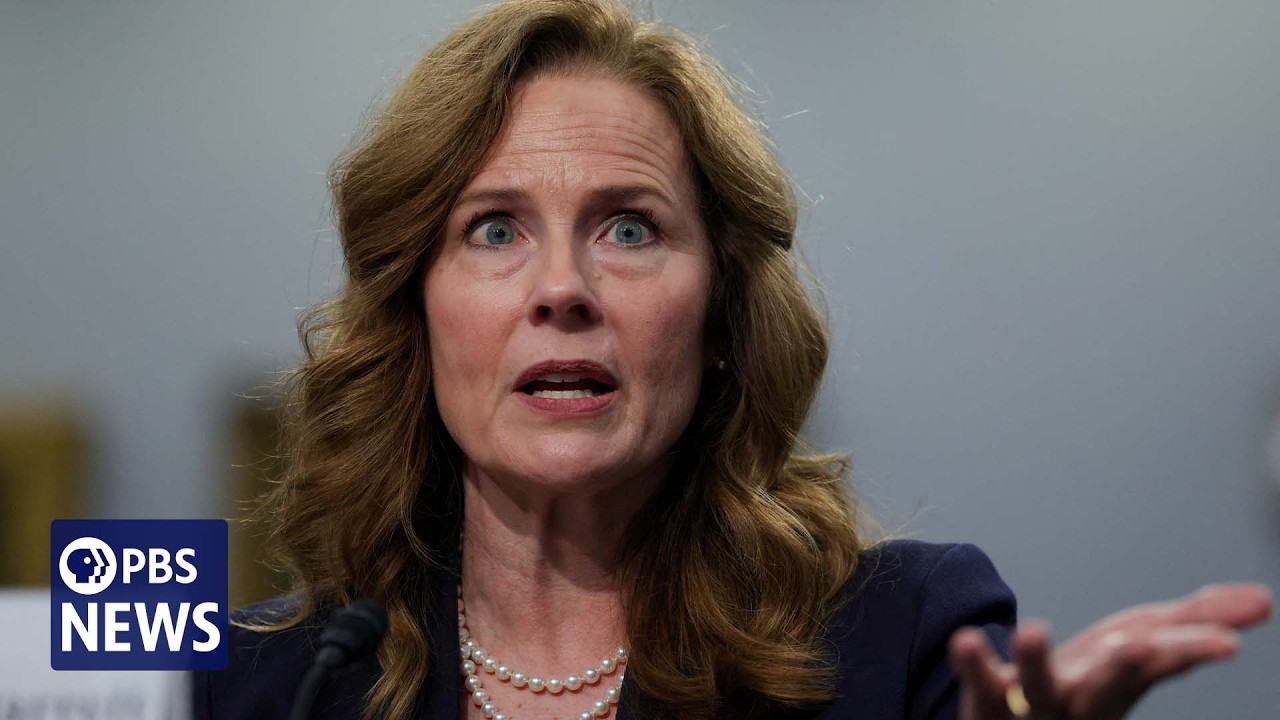
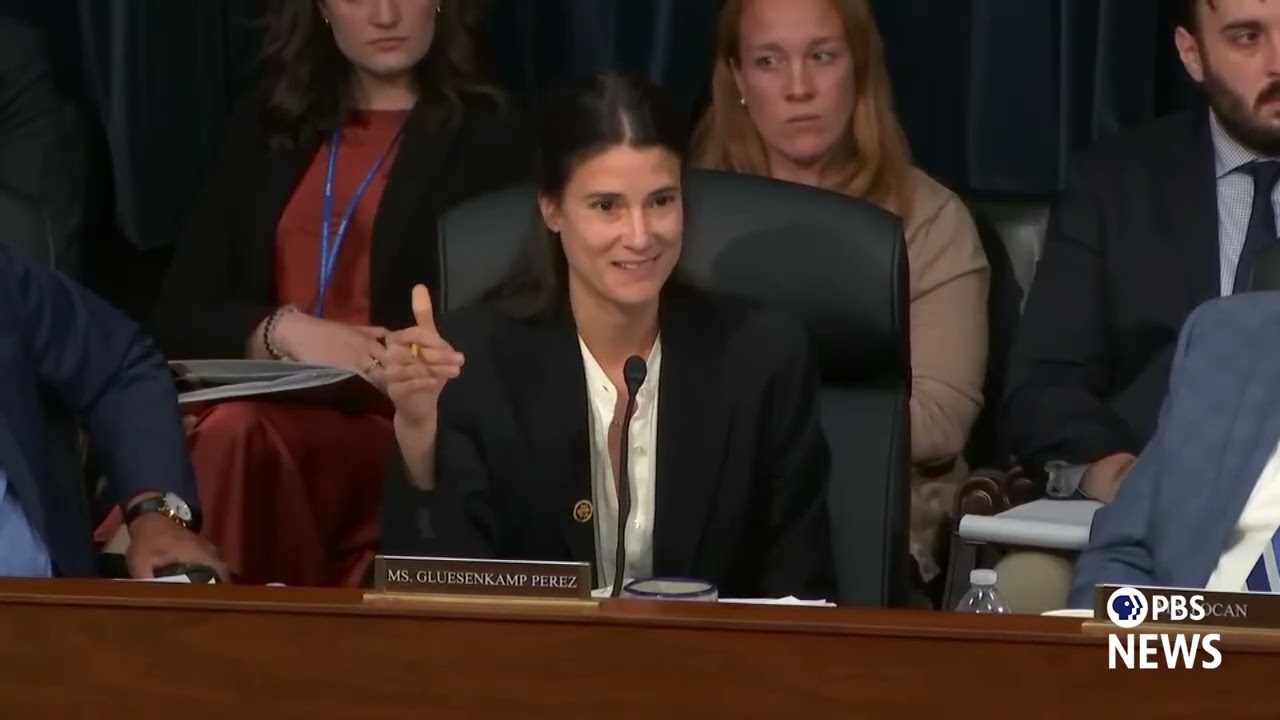
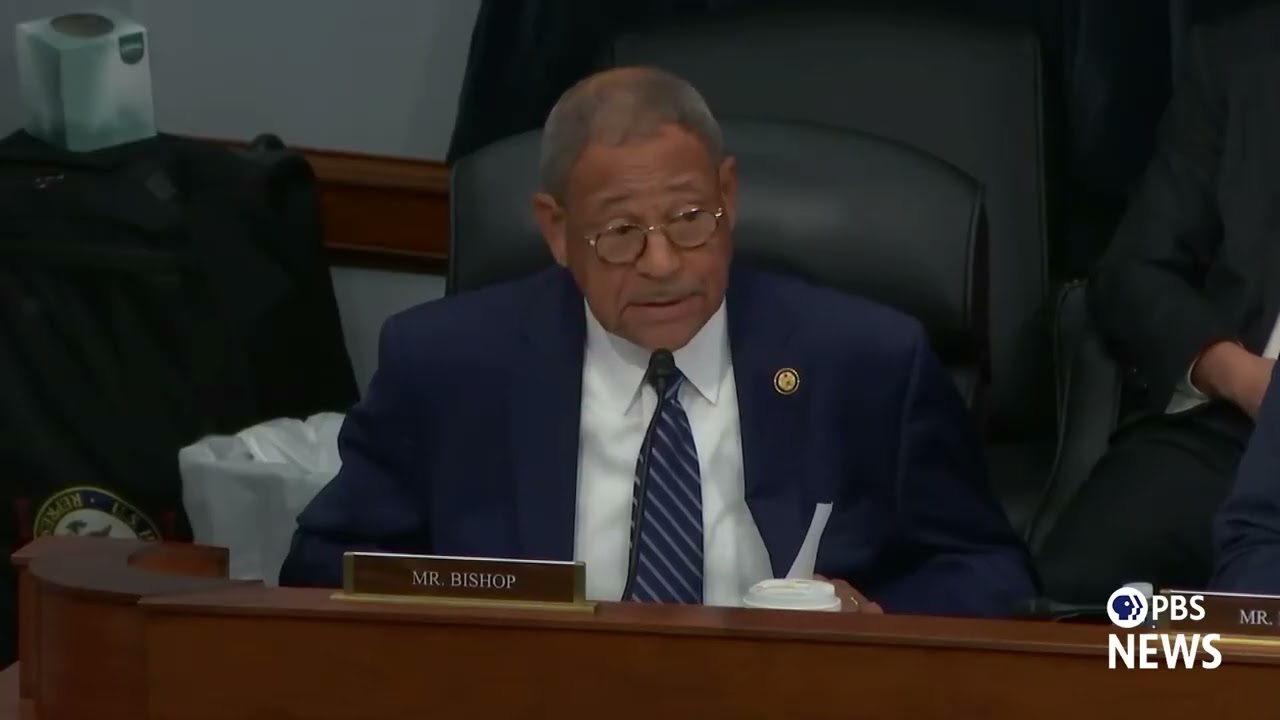
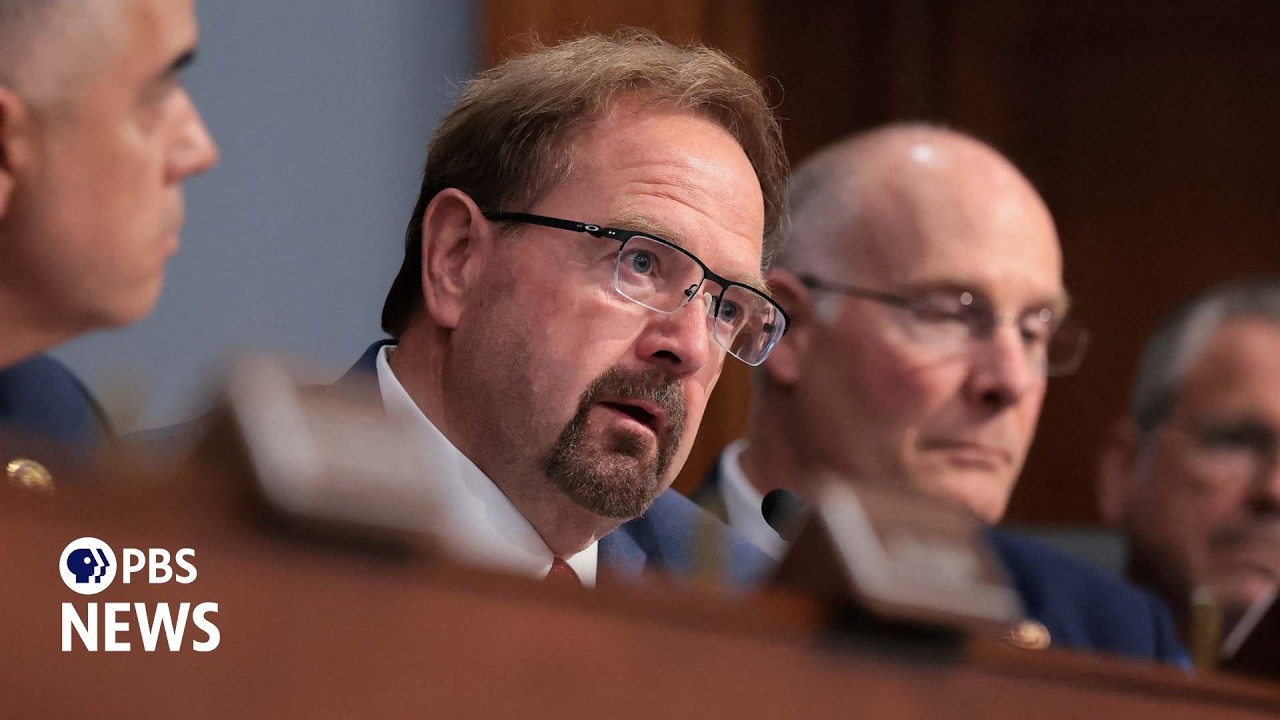
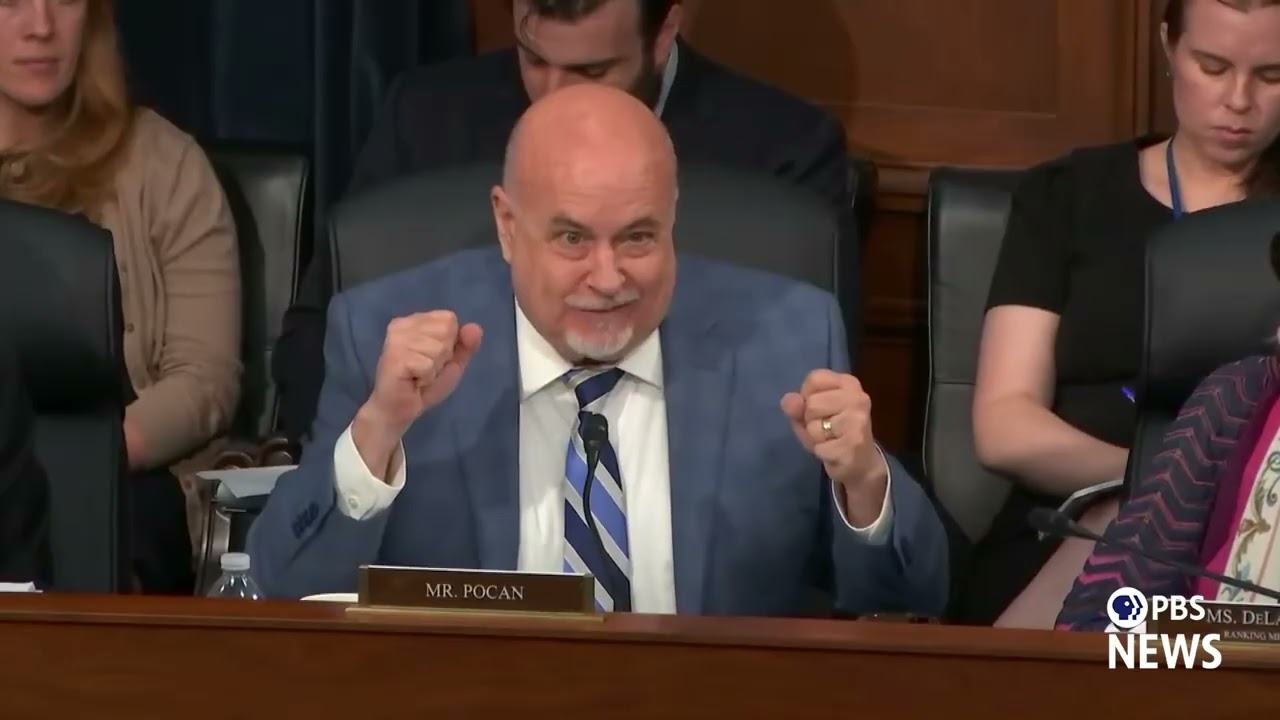
Rep. Mark Pocan, D-Wis., told Supreme Court Justices Elena Kagan and Amy Coney Barrett that the public has questions about the high court’s use of the emergency docket.
The emergency docket, also known as the “shadow docket,” allows justices to quickly issue temporary decisions while cases make their way through the lower court system. These decisions are usually unsigned and don’t provide extensive explanations.
Pocan detailed the number of emergency docket cases, 63, versus regular cases, 53, in the Supreme Court’s last term. ProPublica reported these figures in July. Pocan said the Obama and George W. Bush administrations filed 18 emergency docket petitions in 16 years, though according to the Brennan Center for Justice, the number was eight.
Pocan asked the justices why the number of cases has increased, noting that in President Donald Trump’s second term there have been 34 emergency relief petitions.
Barrett said the Supreme Court has jurisdiction over all emergency applications and therefore has to act to either grant or deny relief. She contrasted this with the court’s discretionary jurisdiction in its merits docket, which allows justices to choose what cases it hears and rules on.
Kagan noted that “there are downsides of using emergency relief,” and said “we should consider those downsides when we decide how often to grant this relief.”
She said the increase in petitions is likely a result of the court having previously granted relief.
“People see that there is at least a potential for us to grant relief, and so why not file a petition?” Kagan said.
Members of the Supreme Court have not testified before Congress since 2019. Their appearances in both House and Senate hearings Tuesday are focused on requesting more funding for security, as threats and incidents of harassment and intimidation aimed at the judiciary have risen.
The justices are making their rare appearance after the Supreme Court wrapped up its latest term late last month with major decisions on birthright citizenship, transgender rights, executive authority, campaign finance rules and mail-in voting – all topics that may come up in lawmakers’ questioning, in addition to the security funds request.
Sign up for Here's The Deal with Lisa Desjardins
Subscribe for exclusive content in our newsletters
PBS News podcasts
Stream your PBS favorites with the PBS app
Find more from PBS News at
Subscribe to our YouTube channel
Sentinel Indexing in Progress
Metadata and chapters are available. Claim extraction for this episode is pending.
All video content is delivered via YouTube embedded players in accordance with the YouTube Terms of Service. Sentinel provides research tools that promote discovery and accountability across political media.