Amna Nawaz
@PBSNewsHour·5.3M subscribers·62.2K videos
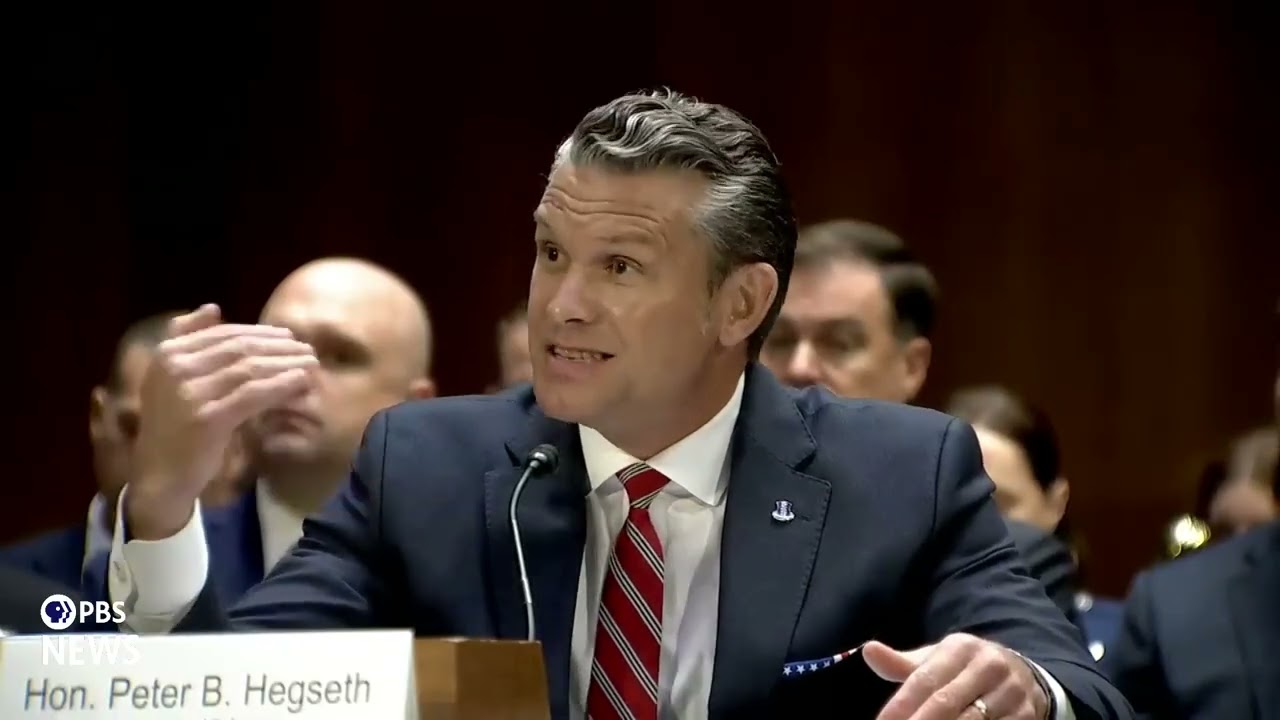
WATCH: Sen. Gillibrand presses Hegseth on Iran war justification contradictions
Posted
July 21, 2026
Views
2,148
Likes
39
Engagement
1.82%
July 21, 2026
2,148
39
1.82%
Every word spoken in this episode is indexed. Type any phrase to jump straight to the moment it was said.
Type any word or phrase that may have been spoken. Click a result to seek the player to that exact moment.
Try a name, a topic, or a quoted line
 2:36Now Playing
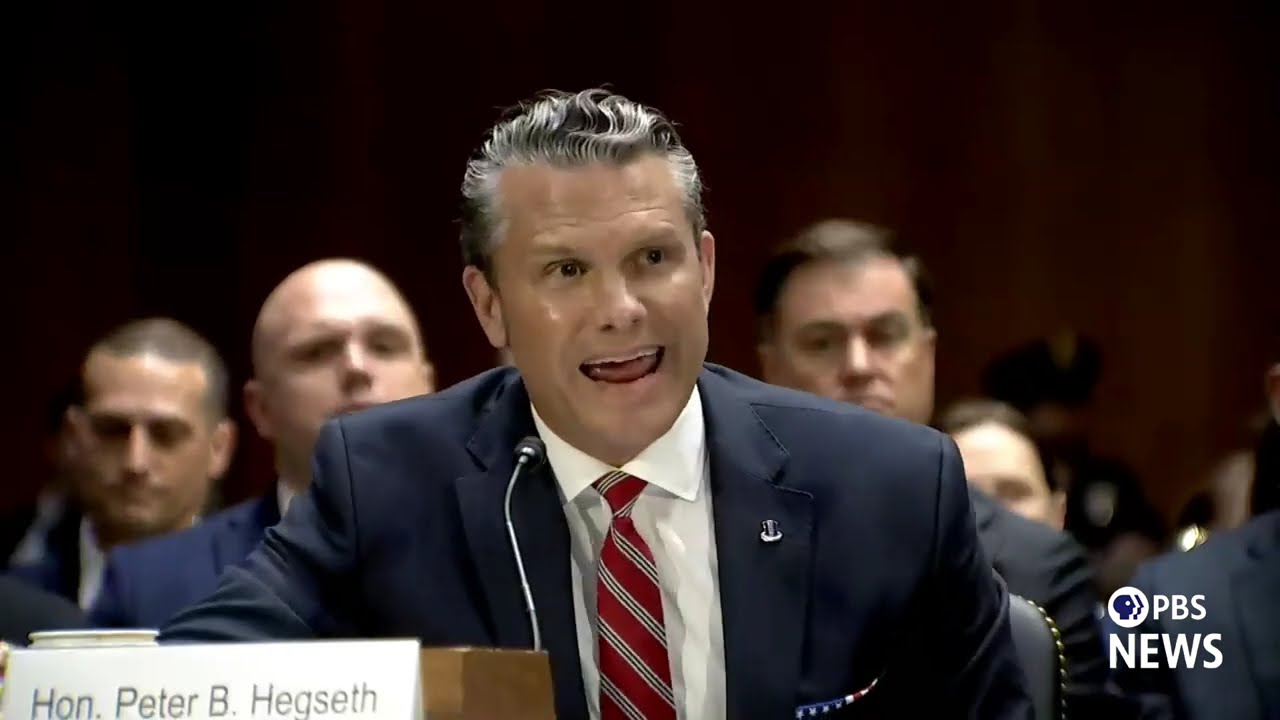
Sen. Kirsten Gillibrand, D-N.Y., told Defense Secretary Pete Hegseth that the reason Americans “are so upset with you and this administration is because the words you have used in the past don't add up.”
Gillibrand referenced Hegseth’s statement that the 2025 Midnight Hammer Operation in Iran had “obliterated Iran’s ability to create nuclear weapons.”
“Yet eight months later in February of 2026, the president launched an active war, claiming Iran was within two weeks of having a weapon,” Gillibrand said. “So when you say two very different things, the American people don't know who to believe or what to believe.”
“So, which is true? Was it obliterated or wasn't it?” Gillibrand asked Hegseth.
Hegseth said nuclear sites were obliterated, “but Iranians foolishly continued to attempt to pursue nuclear capabilities.”
“I just don't know what version of the war to believe,” Gillibrand said. She added that the reason the war is unpopular with her constituents “is because they don't understand the choices that the president is making.”
According to a May PBS News/NPR/Marist poll, 6 in 10 Americans disapproved of the way Trump has been handling the war in Iran.
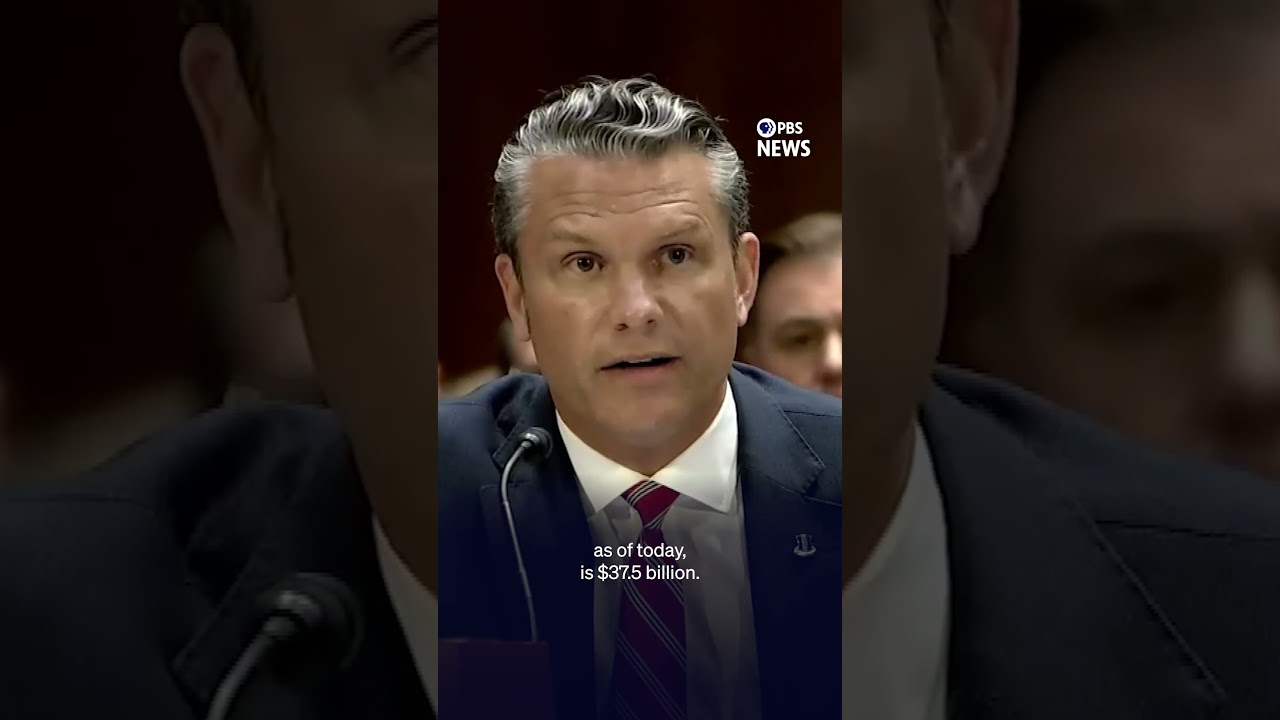
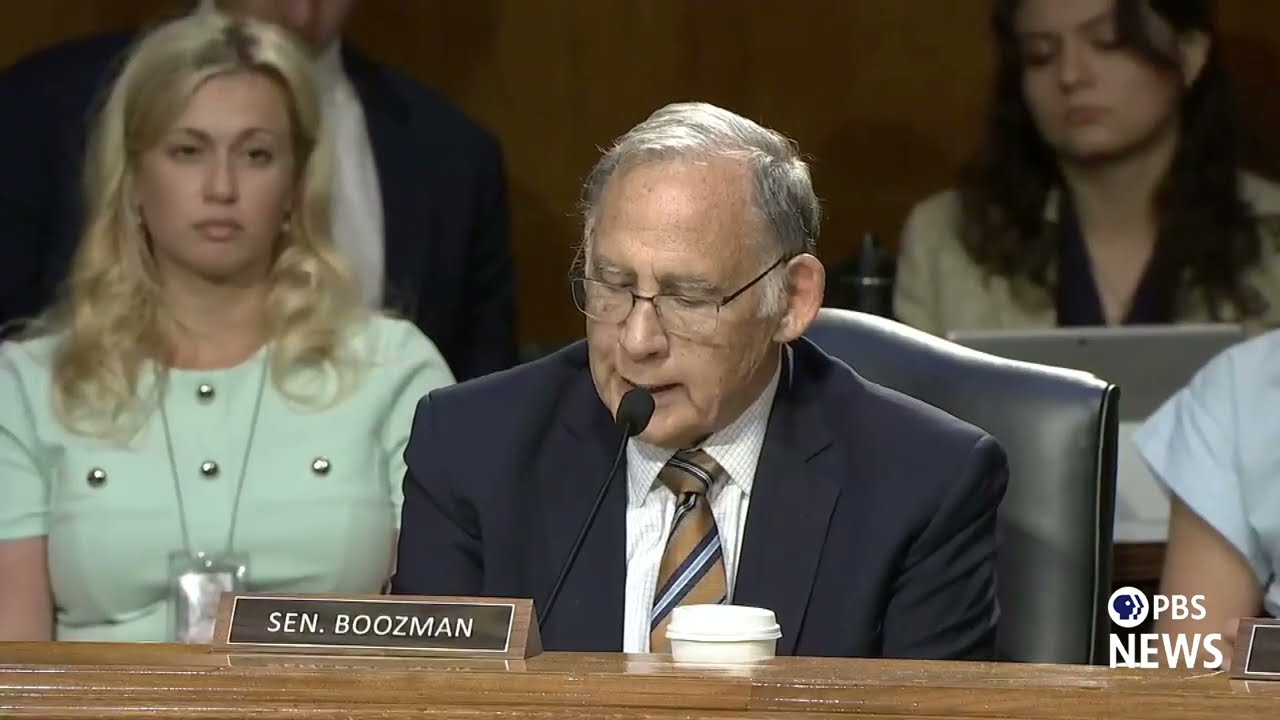
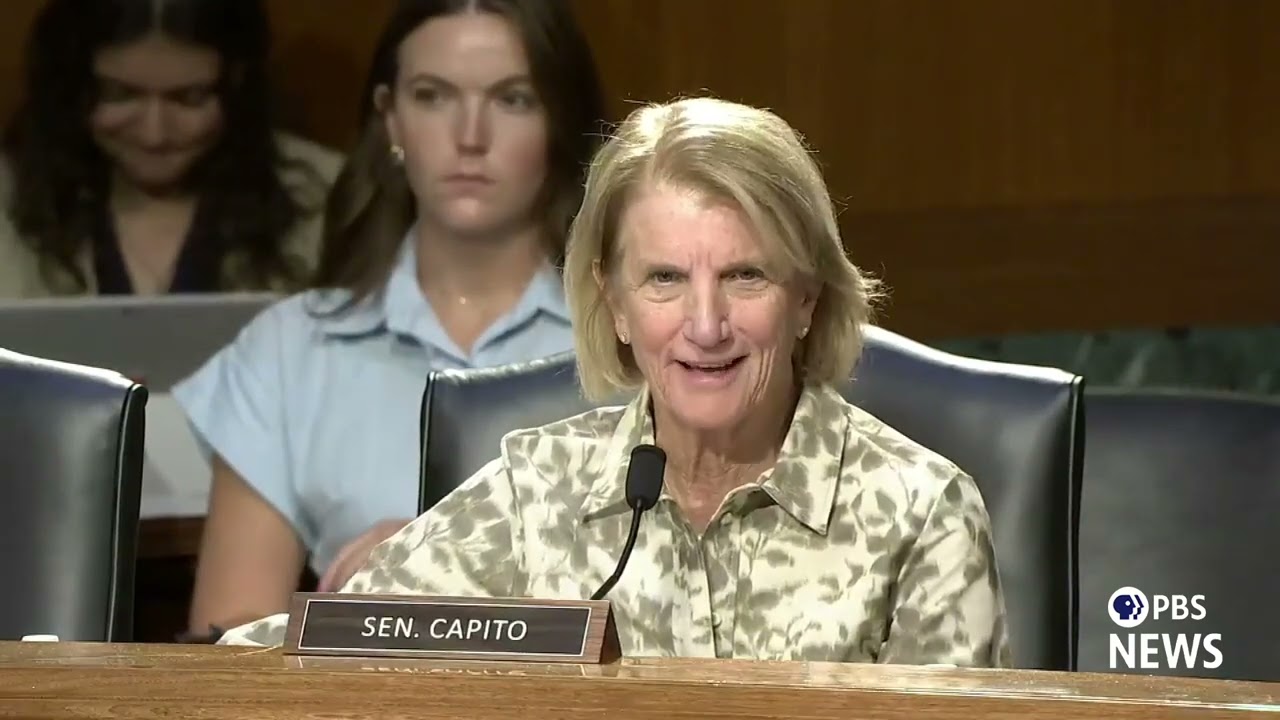
Hegseth, Gen. Dan Caine, chair of the Joint Chiefs of Staff, and Agriculture Secretary Brooke Rollins testified Tuesday before the Senate Appropriations Committee about the Trump administration’s $87.6 billion supplemental funding request, the bulk of which would be used for the U.S. war with Iran.
Their appearance before Senate lawmakers comes after the U.S. rolled out its 10th consecutive night of strikes against Iran. At least three American service members have been killed in recent days. As war between the two nations intensifies, the Strait of Hormuz remains closed, forcing U.S. gas prices to jump again.
Newsletters
PBS News podcasts
Stream your PBS favorites with the PBS app
Find more from PBS News at
Subscribe to our YouTube channel
Sentinel Indexing in Progress
Metadata and chapters are available. Claim extraction for this episode is pending.
All video content is delivered via YouTube embedded players in accordance with the YouTube Terms of Service. Sentinel provides research tools that promote discovery and accountability across political media.