Amy Goodman
@DemocracyNow·3.2M subscribers·19.4K videos
Anjali Kamat: Post-Gaddafi, Libyans Confront Militarization, Reconciliation and Foreign Role
Posted
September 14, 2011
Views
1,277
Likes
7
Comments
1
Engagement
September 14, 2011
1,277
7
1
0.63%
Every word spoken in this episode is indexed. Type any phrase to jump straight to the moment it was said.
Type any word or phrase that may have been spoken. Click a result to seek the player to that exact moment.
Try a name, a topic, or a quoted line
 11:53Now Playing
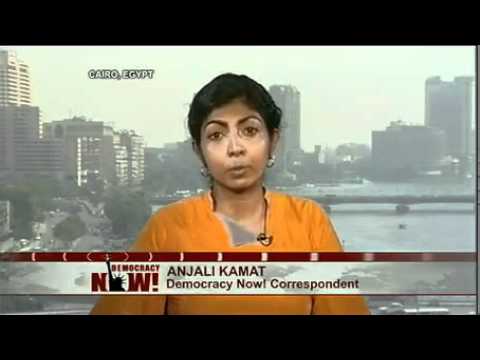
DemocracyNow.org - As Libya's former rebels begin to govern the country after the ouster of longtime leader, Col. Muammar Gaddafi, we look at those who remain. Democracy Now! correspondent Anjali Kamat has just spent 10 days crossing Libya, speaking with fighters, former political prisoners, journalists, and advisors to the new government. "Eventhough Gaddafi's whereabouts remain unknown and his sons whereabouts remain unknown, in a sense, for most people we spoke to in Libya, it seemed like he had already passed into the dust of history," says Kamat. "There's a real sense of rebirth, a feeling their lives are starting anew." Still, challenges remain. Kamat says the National Transitional Council must determine "how to bring in these weapons and what to do with the proliferation of the rebel units, the armed brigades that have formed all over the country that help defend cities and towns across the country." Another unresolved issue is national reconciliation, and the re-emergence of the country's Muslim community. One point is clear, says Kamat, "Nobody wants foreign troops on the ground, no one wants bases, and no one wants the private military contractors, either."
For the complete transcript, to download the podcast, or for additional Democracy Now! reports on the Libyan conflict, visit
FOLLOW DEMOCRACY NOW! ONLINE:
Twitter: @democracynow
Subscribe on YouTube
Daily Email News Digest
Please consider supporting independent media by making a donation to Democracy Now!
today, visit
Sentinel Indexing in Progress
Metadata and chapters are available. Claim extraction for this episode is pending.
All video content is delivered via YouTube embedded players in accordance with the YouTube Terms of Service. Sentinel provides research tools that promote discovery and accountability across political media.