Amy Goodman
@DemocracyNow·3.2M subscribers·19.4K videos
Part 2: Civil Rights Leader Bayard Rustin's Role in Organizing the March on Washington
Posted
August 13, 2013
Views
14,069
Likes
196
Comments
12
Engagement
August 13, 2013
14,069
196
12
1.48%
Every word spoken in this episode is indexed. Type any phrase to jump straight to the moment it was said.
Type any word or phrase that may have been spoken. Click a result to seek the player to that exact moment.
Try a name, a topic, or a quoted line
 18:34Now Playing
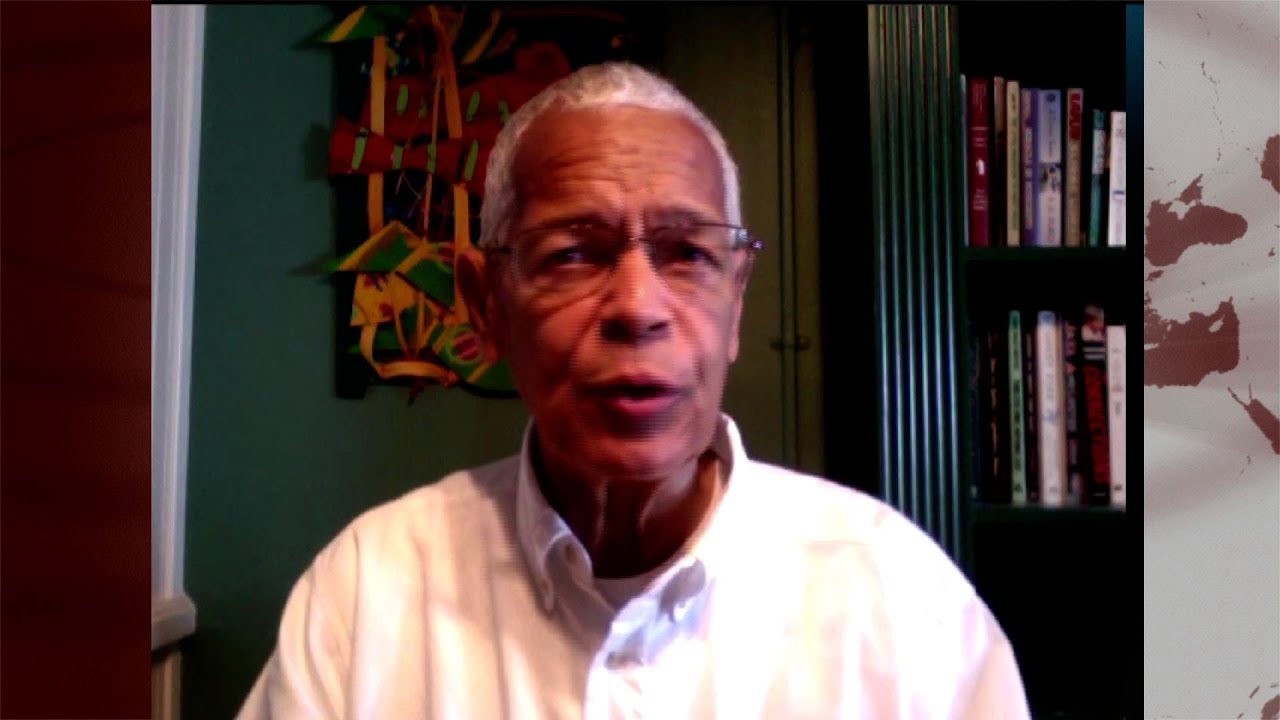
In part two of our interview about the trailblazing civil rights activist Bayard Rustin as he is set to posthumously receive the Presidential Medal of Freedom, we continue our conversation with former NAACP chair Julian Bond and Rustin's partner, Walter Naegle. Rustin played a central role in organizing the 1963 March on Washington for Jobs and Freedom, which the nation is set to celebrate the 50th anniversary of in the coming weeks.
Watch part 1 of this interview
Democracy Now!, is an independent global news hour that airs weekdays on 1,200+ TV and radio stations Monday through Friday. Watch it live 89am ET at
FOLLOW DEMOCRACY NOW! ONLINE:
Twitter: @democracynow
Subscribe on YouTube
Listen on SoundCloud
Daily Email News Digest
Please consider supporting independent media by making a donation to Democracy Now! today, visit
Naegle reads from badges he brings to show and describes the march's demands, which are one small part of the vast unknown history of the event remembered primarily for Dr. Martin Luther King's "I Have a Dream" speech. "The first demand was comprehensive and effective civil rights legislation from the present Congress, without compromise or filibuster, to guarantee all Americans access to all public accommodations, decent housing, adequate and integrated education, the right to vote," Nagle says. "The second one was withholding of federal funds from all programs in which discrimination exists. The third was desegregation of all school districts in 1963. The fourth was enforcement of the 14th Amendment, reducing congressional representation of states where citizens are disenfranchised. The fifth was a new executive order banning discrimination in all housing supported by federal funds. The sixth was authority for the attorney general to institute injunctive suits when any constitutional right is violated. The seventh was a massive federal program to train and place all unemployed workers, Negro and white, on meaningful and dignified jobs at decent wages. The eighth was a national minimum wage act that will give all Americans a decent standard of living. Government surveys show that anything less than $2 an hour fails to do this. Number nine was a broad and fair labor standards act to include all areas of employment which are presently excluded. And the last, number 10, a federal fair employment practices act barring discrimination by federal, state and municipal governments and by employers, contractors, employment agencies and trade unions."
Sentinel Indexing in Progress
Metadata and chapters are available. Claim extraction for this episode is pending.
All video content is delivered via YouTube embedded players in accordance with the YouTube Terms of Service. Sentinel provides research tools that promote discovery and accountability across political media.