Amy Goodman
@DemocracyNow·3.2M subscribers·19.4K videos
Can the President Strike an American Anywhere in the World?: Drone Memo Raises Troubling Questions
Posted
June 24, 2014
Views
2,905
Likes
47
Comments
15
Engagement
June 24, 2014
2,905
47
15
2.13%
Every word spoken in this episode is indexed. Type any phrase to jump straight to the moment it was said.
Type any word or phrase that may have been spoken. Click a result to seek the player to that exact moment.
Try a name, a topic, or a quoted line
See what was published immediately before and after this episode.
 7:30Now Playing
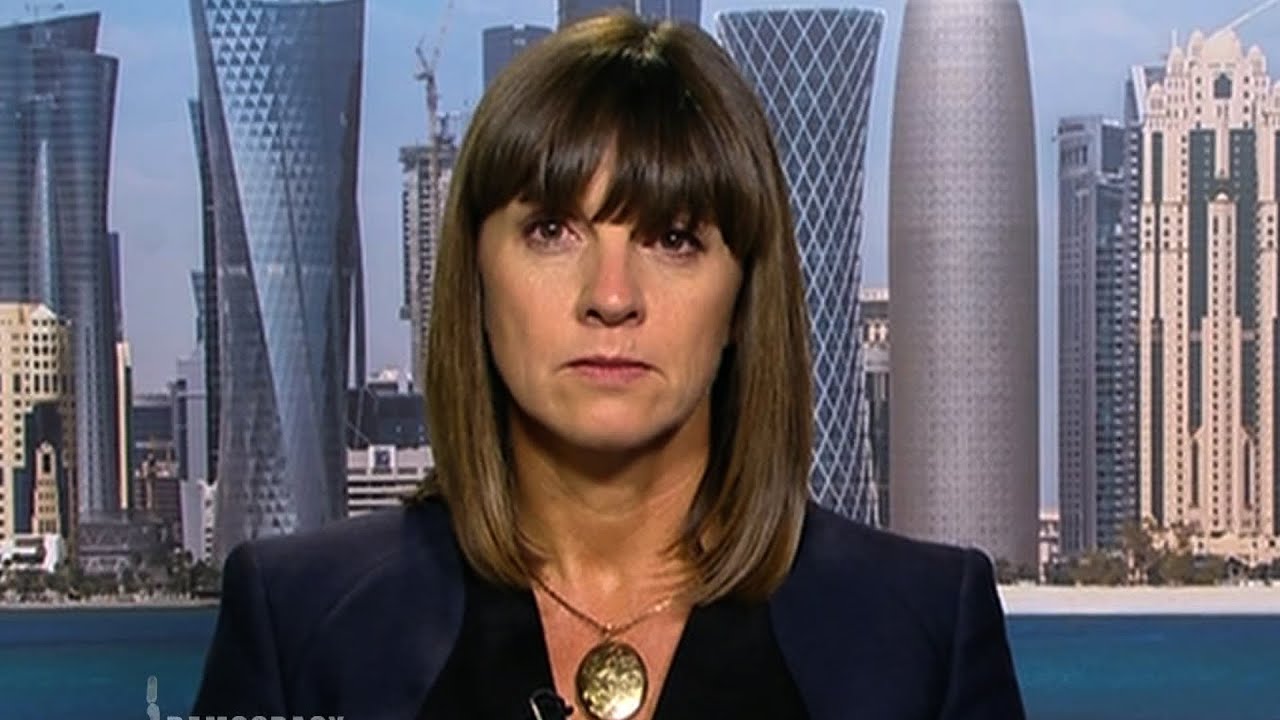
During a three month span in 2011, U.S. drones killed four American citizens overseas. On September 30, cleric Anwar alAwlaki and Samir Khan were killed in a drone strike in Yemen. Two weeks later, another U.S. drone killed Anwar's 16yearold son, Abdulrahman, in Yemen. A month later, a U.S. citizen named Jude Kenan Mohammad was killed in Pakistan. For the past twoandahalf years, the Obama administration has refused to release its legal rationale for killing American citizens overseas. That changed on Monday when a federal court released a heavily redacted 41page memo. It concludes the 2001 Authorization to Use Military Force gave the U.S. government the authority to target Anwar alAwlaki, who the Obama administration claims had joined alQaeda. On Capitol Hill, Sen. Ron Wyden praised the release of the memo but said it raises many questions. Wyden asked, "How much evidence does the president need to determine that a particular American is a legitimate target for military action? Can the president strike an American anywhere in the world?" Questions also remain over when the United States can kill nonU.S. citizens. We speak to Hina Shamsi, director of the American Civil Liberties Union's National Security Project.
This video is an excerpt of the segment. Watch the full interview on Democracy Now!:
Democracy Now!, is an independent global news hour that airs weekdays on 1,200+ TV and radio stations Monday through Friday. Watch our livestream 89am ET at
Please consider supporting independent media by making a donation to Democracy Now! today
FOLLOW DEMOCRACY NOW! ONLINE:
Daily Email
Sentinel Indexing in Progress
Metadata and chapters are available. Claim extraction for this episode is pending.
All video content is delivered via YouTube embedded players in accordance with the YouTube Terms of Service. Sentinel provides research tools that promote discovery and accountability across political media.