Amy Goodman
@DemocracyNow·3.2M subscribers·19.4K videos
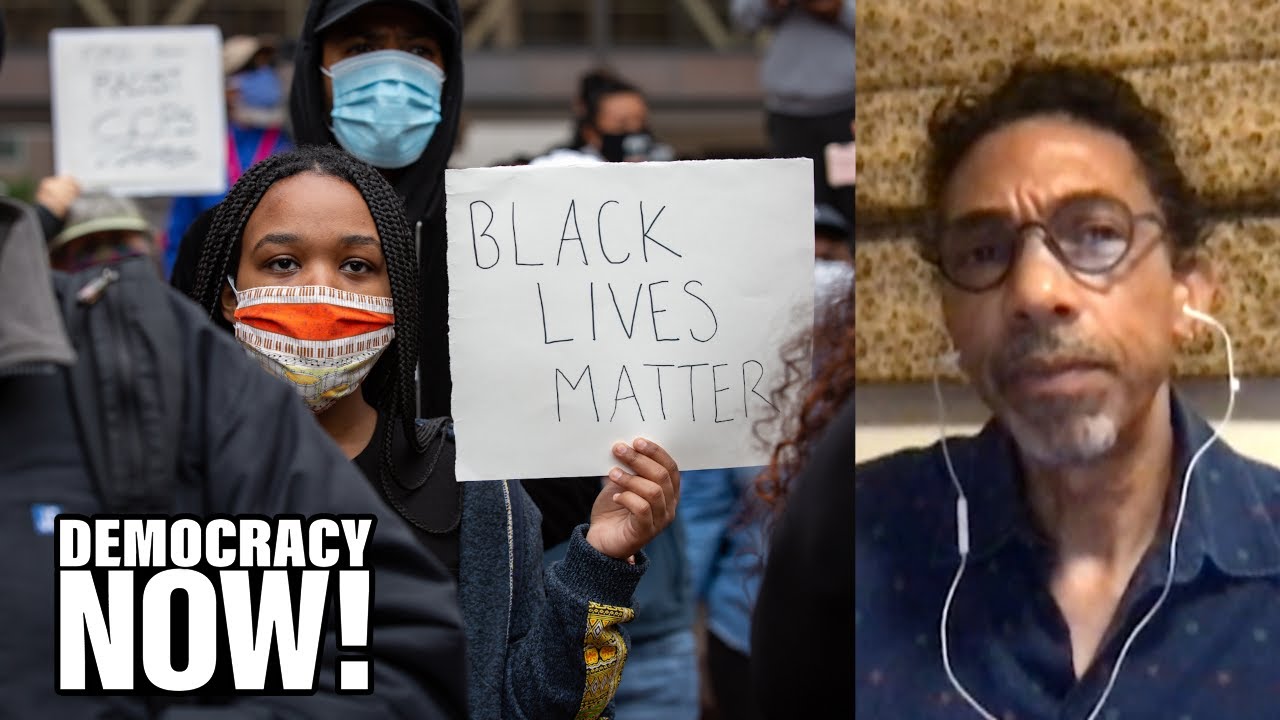
Historian: Defunding the police offers a chance to build healthy communities from the ground up
Posted
June 10, 2020
Views
5,338
Likes
330
Comments
103
Engagement
June 10, 2020
5,338
330
103
8.11%
Every word spoken in this episode is indexed. Type any phrase to jump straight to the moment it was said.
Type any word or phrase that may have been spoken. Click a result to seek the player to that exact moment.
Try a name, a topic, or a quoted line
 2:23Now Playing
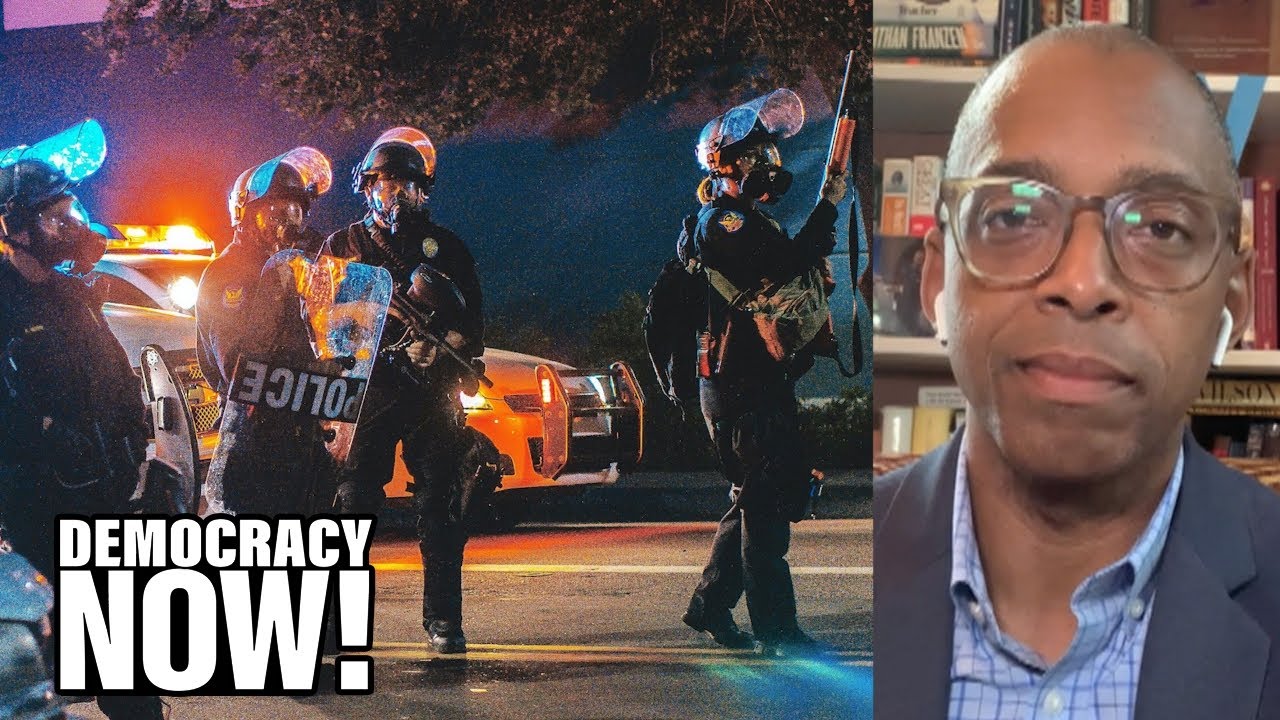
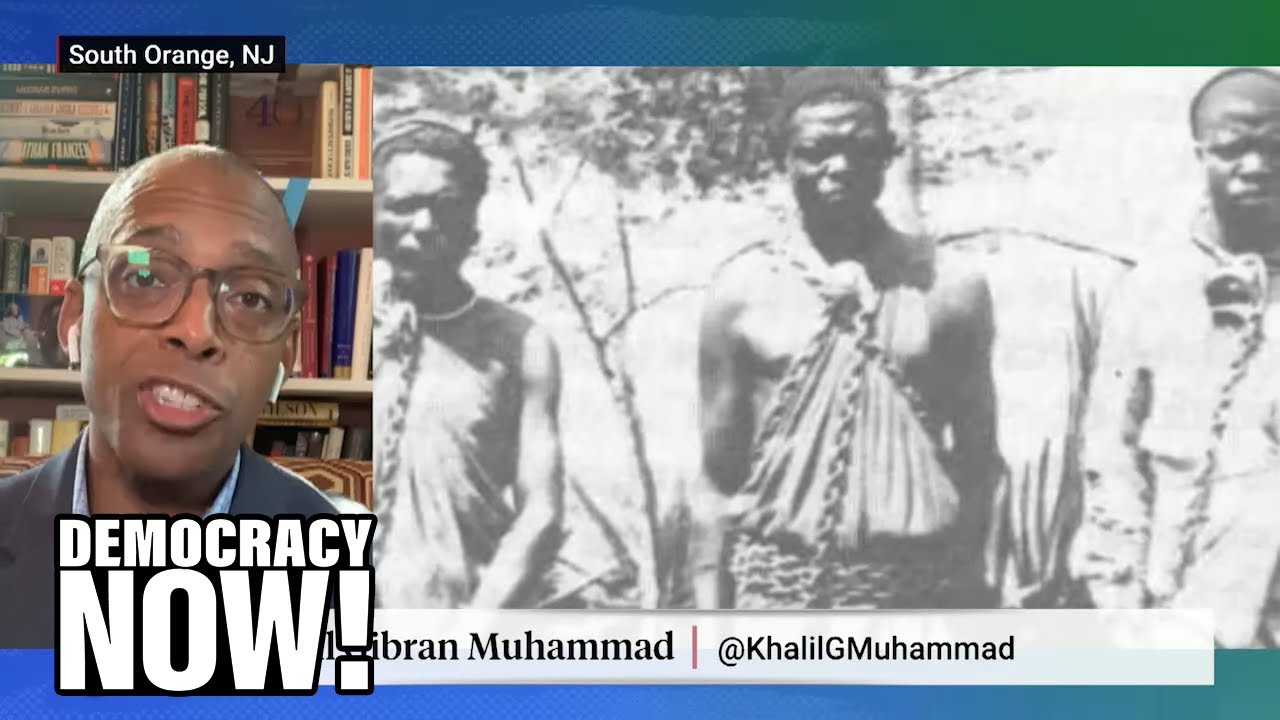
The movement to abolish prisons and police has existed for decades, but recent protests in defense of Black lives have sparked widespread conversation about what "defunding the police" would look like. "Defund takes the core idea of abolition and says, “If we were to start over, what would we decide police should be doing versus not be doing?'" says Khalil Gibran Muhammad, a professor of history, race and public policy at the Harvard Kennedy School. Defunding the police would necessitate holding conversations within communities about the role of law enforcement, figuring out desired responsibilities for officers and reallocating funds to social services. "We can use violence interrupters, who are public health workers trained in the community, by the community, for the community, to in fact deal with conflict resolution. This is how it works in nearly every other country where police have not been militarized and given unlimited resources," he says. "People resolve conflicts inside of healthy, functioning communities."
#DemocracyNow
Democracy Now! is an independent global news hour that airs on nearly 1,400 TV and radio stations Monday through Friday. Watch our livestream 89AM ET
Please consider supporting independent media by making a donation to Democracy Now! today
FOLLOW DEMOCRACY NOW! ONLINE:
Daily Email Digest
Sentinel Indexing in Progress
Metadata and chapters are available. Claim extraction for this episode is pending.
All video content is delivered via YouTube embedded players in accordance with the YouTube Terms of Service. Sentinel provides research tools that promote discovery and accountability across political media.