Based Camp with Simone Malcolm Collins
@simoneandmalcolm·73.7K subscribers·1K videos
Dating Is New & Was Considered Worse than Wh****g (Feminism Brainwashed You)
Posted
September 2, 2026
Views
29,588
Likes
988
Comments
516
September 2, 2026
29,588
988
516
5.08%
Every word spoken in this episode is indexed. Type any phrase to jump straight to the moment it was said.
Type any word or phrase that may have been spoken. Click a result to seek the player to that exact moment.
Try a name, a topic, or a quoted line
 58:08Now Playing
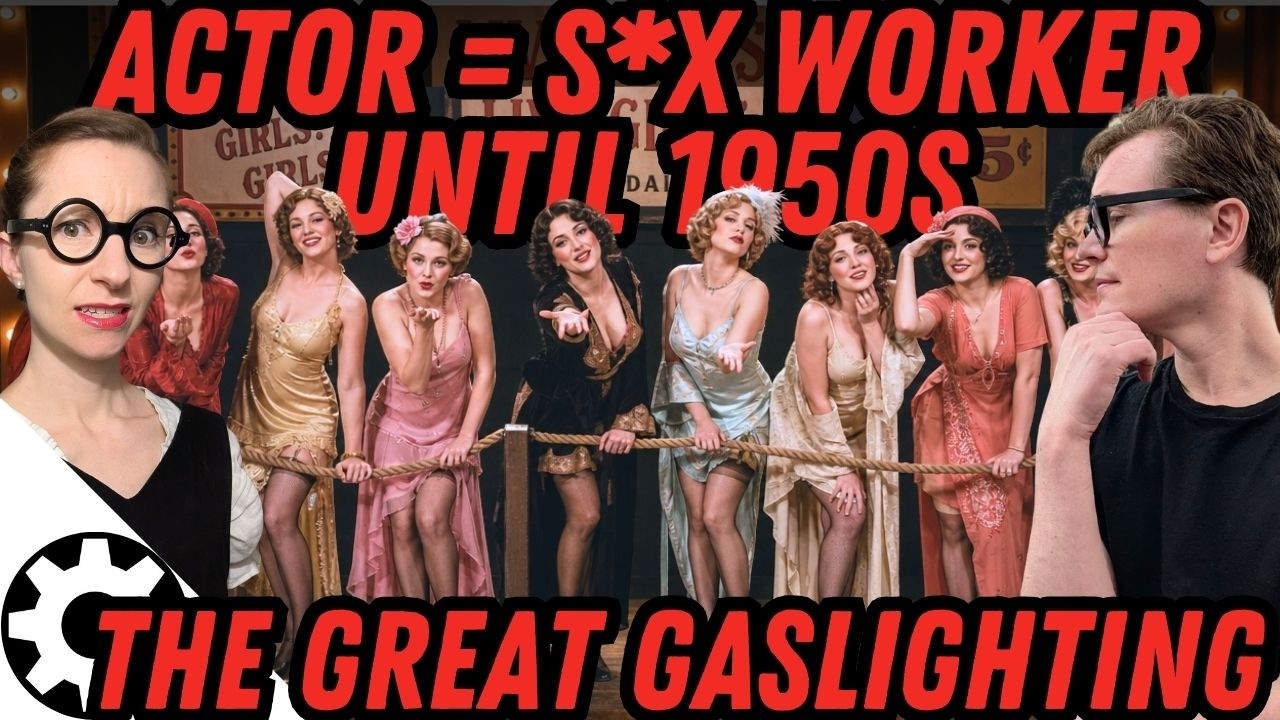
Historically, what we now call dating was treated as lower-status than prostitution. The word “date” itself once meant visiting a prostitute. Then working-class “charity girls” undercut professional s workers by trading companionship and intimacy for dinners, tickets, clothes, and nights out — a practice contemporaries called treating.
In this Based Camp episode, Malcolm and Simone Collins walk through the late-19th / early-20th century shift: cheap urban leisure (nickelodeons, dance halls, Coney Island), taxi dancers as proto-host clubs, shop girls hunting rich bosses, the rebrand of face-painting into “makeup,” the invention of “personality” and the It Girl, and 1920s petting parties. They argue modern dating is not an ancient institution that suddenly broke. It is a recent, low-commitment market that was controversial when it appeared — and that older courtship systems (family-supervised seasons, explicit marriage-seeking) may be more honest than ambiguous long-term dating.
Also discussed: why they treat dating as wife-hunting rather than “seeing where it goes,” why they want paying-for-dates destigmatized as traditional, and how RFAB can generate period-accurate 1920s stories.
Thematic timestamps
Sentinel Indexing in Progress
Metadata and chapters are available. Claim extraction for this episode is pending.
All video content is delivered via YouTube embedded players in accordance with the YouTube Terms of Service. Sentinel provides research tools that promote discovery and accountability across political media.