Bbc News
@bbcnews·20.1M subscribers·32.9K videos
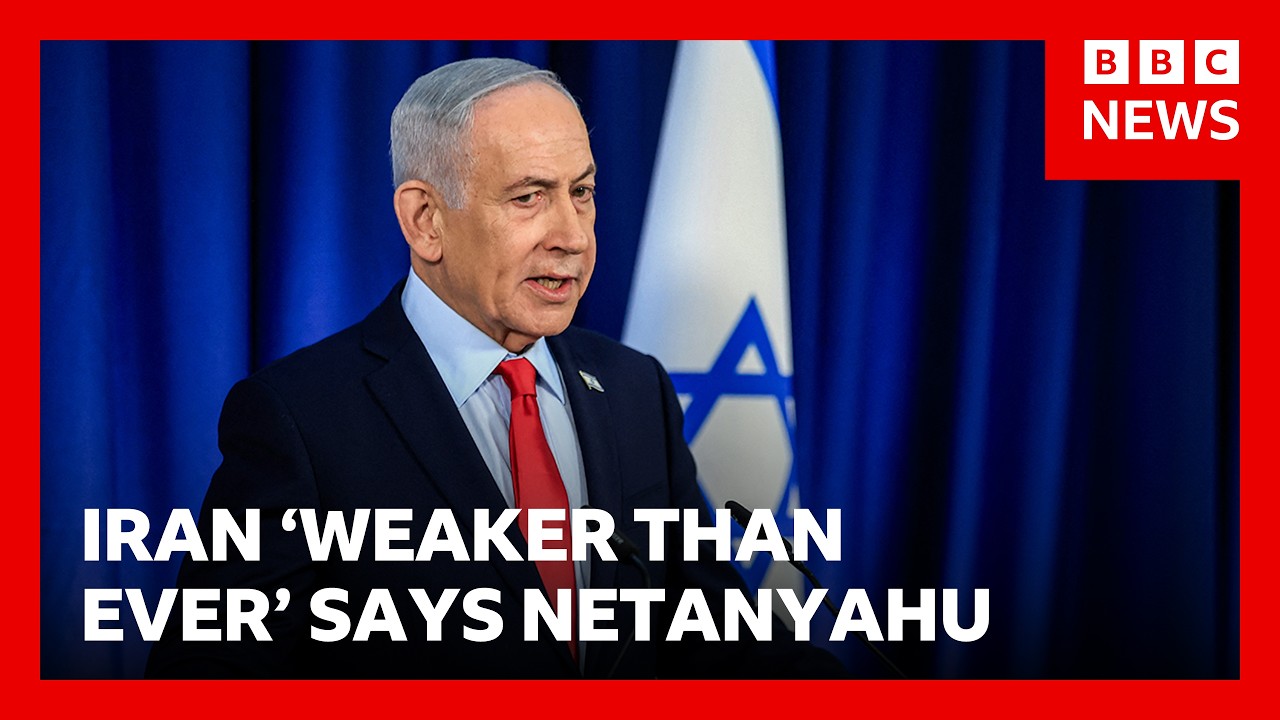
Why has Benjamin Netanyahu had to prove he's alive? | The Global Story
Posted
March 20, 2026
Views
92,933
Likes
1,028
Comments
750
Engagement
1.91%
March 20, 2026
92,933
1,028
750
1.91%
Every word spoken in this episode is indexed. Type any phrase to jump straight to the moment it was said.
Type any word or phrase that may have been spoken. Click a result to seek the player to that exact moment.
Try a name, a topic, or a quoted line
 24:57Now Playing
Why do people think Benjamin Netanyahu has died?
Social media platforms have been flooded with the wild rumour that Benjamin Netanyahu is dead (which he is not).
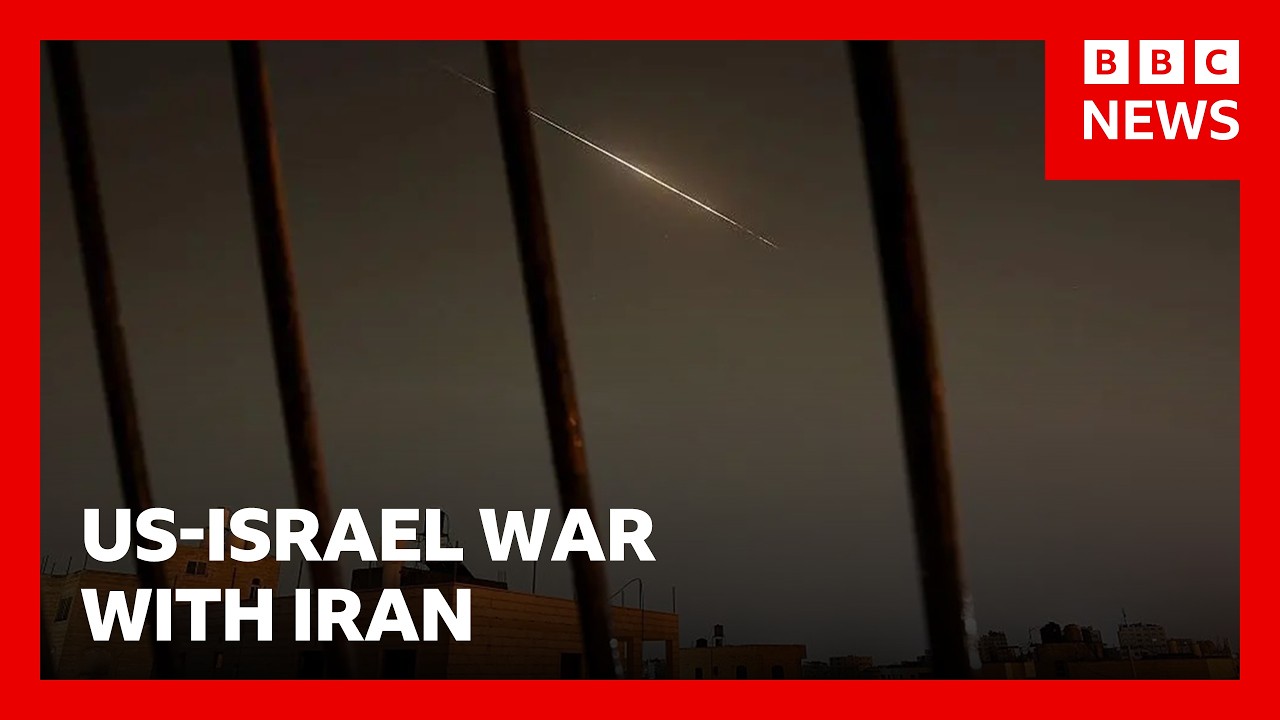
Fake photos and videos of his body, coated with dust and debris, seemed to show that the Israeli prime minister had been killed – during the US-Israel war with Iran – in an Iranian air strike.
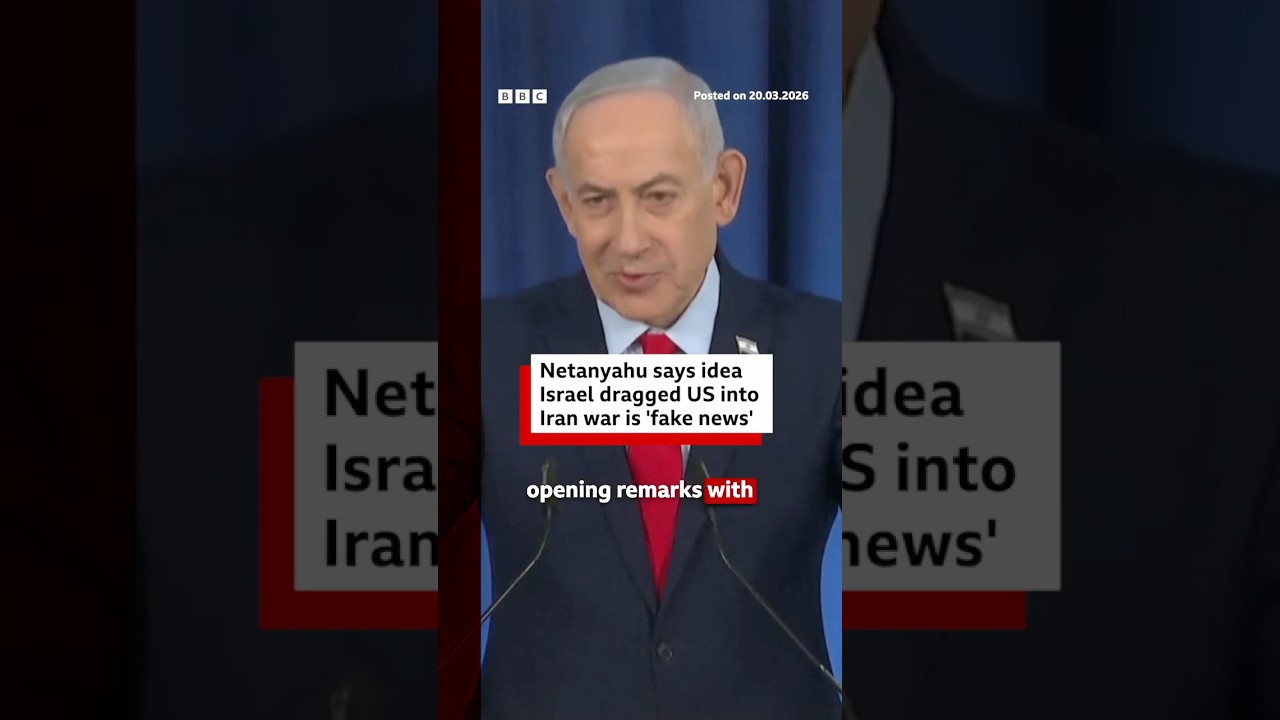
The rumour was false – Netanyahu had not died, nor been involved in a strike. The photos and videos were AI-generated. But when Netanyahu posted several videos of himself, debunking and mocking the rumour, some people on social media still refused to believe these were really him.
Today on The Global Story podcast, Thomas Copeland from BBC Verify explains how the economics of social media drive the creation of AI-generated fake videos – sometimes by people with no strong feelings about the war itself.
And we speak to Peter Pomerantsev, author of 'Nothing Is True and Everything is Possible', who says the essential strategy behind wartime disinformation remains unchanged since ancient times.
New episodes of The Global Story are released daily. If you’re in the UK, listen on BBC Sounds. If you live outside the UK, listen on BBC.com or wherever you get your podcasts.
Subscribe to our channel here
For the latest news download the BBC News app or visit BBC.com/news
#BBCNews #netanyahu #middleeast
Chapters:
Sentinel Indexing in Progress
Metadata and chapters are available. Claim extraction for this episode is pending.
All video content is delivered via YouTube embedded players in accordance with the YouTube Terms of Service. Sentinel provides research tools that promote discovery and accountability across political media.