Bbc
@bbc·15.6M subscribers·32.3K videos
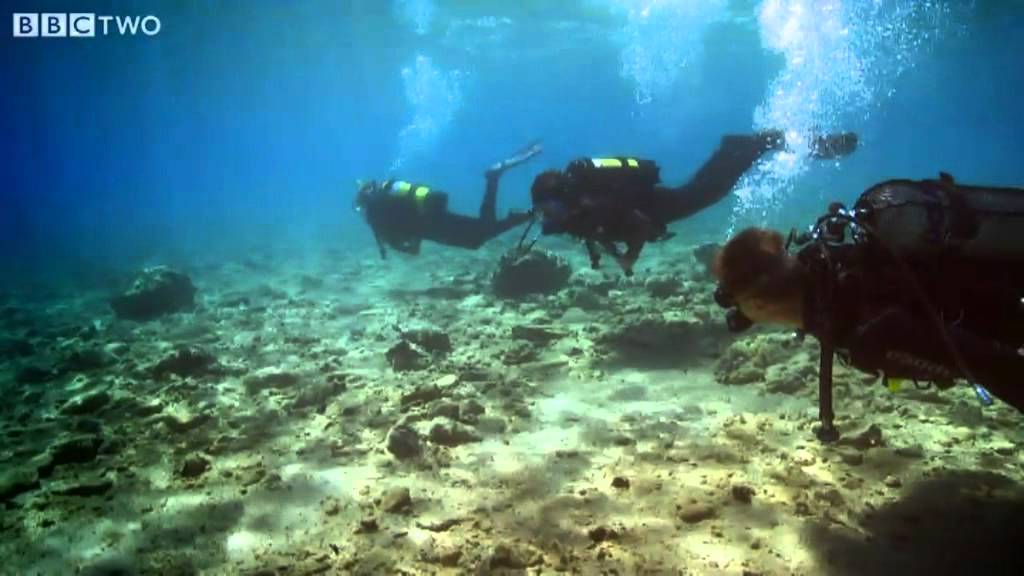
The Ancient Buildings of Pavlopetri - City Beneath the Waves: Pavlopetri - BBC Two
Posted
October 6, 2011
Views
659
Likes
3
Engagement
0.46%
October 6, 2011
659
3
0.46%
Every word spoken in this episode is indexed. Type any phrase to jump straight to the moment it was said.
Type any word or phrase that may have been spoken. Click a result to seek the player to that exact moment.
Try a name, a topic, or a quoted line
 2:56Now Playing
Subscribe and 🔔 to the BBC 👉
Watch the BBC first on iPlayer 👉 More about this programmeThe complex mix of expert archaeology, underwater robotics and state of the art graphics allowed the team to piece together the secrets of Pavlopetri, producing spectacular results.
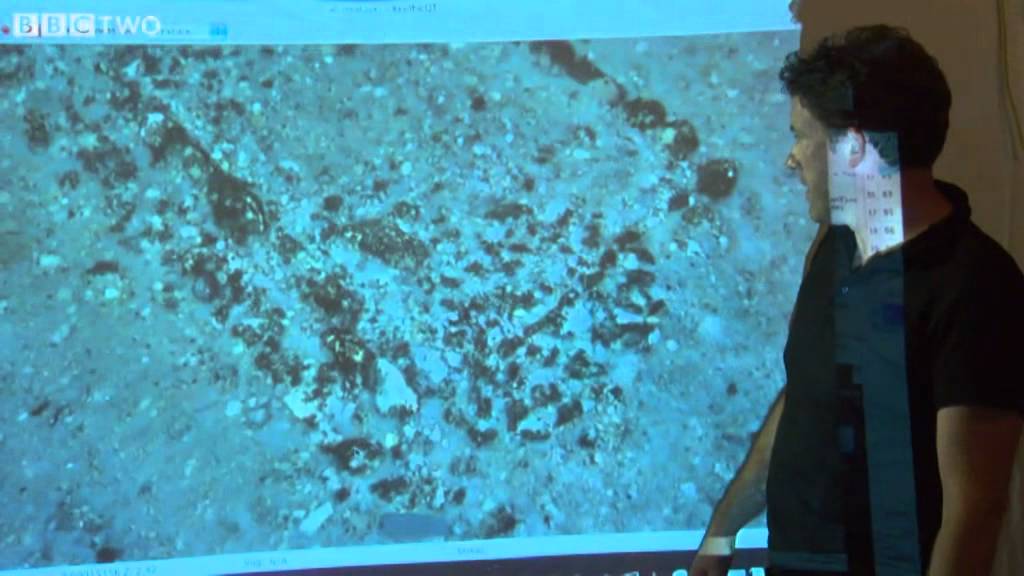
Here, team from the Australian Centre for Field Robotics take us through how they worked to solve the puzzle of the city, using an autonomous underwater vehicle, the first time such technology has been used on this scale on a submerged site.
Throughout the night, the camera took stereo images under the water to judge the distance between the ruins on the sea floor. The robot captured hundreds of thousands of images, in order to build up a 3D model - allowing the team to create views that would be otherwise impossible.
The graphics team carefully built up a 3D map from the layout of the ruins and the uncovered artefacts. The final images of Pavlopetri reveal an intricate portrait of the city around 1600 BC; a city at its advanced peak.
#bbc
Sentinel Indexing in Progress
Metadata and chapters are available. Claim extraction for this episode is pending.
All video content is delivered via YouTube embedded players in accordance with the YouTube Terms of Service. Sentinel provides research tools that promote discovery and accountability across political media.