Bbc
@bbc·15.6M subscribers·32.3K videos
Boris Johnson explains Covid-19 vaccine rollout plan 🔴 Covid update @BBCNews live - BBC
Posted
January 7, 2021
Views
130,191
Likes
971
Comments
1,220
Engagement
1.68%
January 7, 2021
130,191
971
1,220
1.68%
Every word spoken in this episode is indexed. Type any phrase to jump straight to the moment it was said.
Type any word or phrase that may have been spoken. Click a result to seek the player to that exact moment.
Try a name, a topic, or a quoted line
 41:08Now Playing
Subscribe and 🔔 to the BBC 👉
Watch the BBC first on iPlayer 👉 Subscribe and 🔔 to OFFICIAL BBC YouTube 👉
Stream original BBC programmes FIRST on BBC iPlayer 👉
🔘 Subscribe and 🔔 @BBC News 👉
🔘 Stream BBC News live on BBC iPlayer 🔴
🔘 Coronavirus / Covid19 👉
🔘 Follow BBC News live updates here 👉
Prime Minister Boris Johnson leads a Downing Street coronavirus briefing, joined by NHS England chief executive Simon Stevens and Brigadier Phil Prosser, who is involved with vaccine roll-out.
Follow the story 👉
What did we learn from the Downing Street briefing?
UK Prime Minister Boris Johnson has just led a Downing Street news conference, alongside NHS England chief executive Simon Stevens and Brigadier Phil Prosser.
Here’s a quick recap of the key points:
Nearly 1.5m people in the UK have received their first dose of the coronavirus vaccine, Mr Johnson said. These people will have some degree of immunity within the next two to three weeks.
The PM said that if all goes to plan with the opening of more than 1,000 vaccination centres across the UK, there will be “hundreds of thousands” of jabs available per day by 15 January, and nobody will have to travel more than 10 miles for a vaccine appointment. Mr Johnson said he hoped every elderly care home resident will have been offered a jab by the end of the month.
Two life-saving drugs that a trial has found can cut deaths by a quarter in patients who are the sickest with Covid-19, will be available on the NHS “with immediate effect”, the PM said. As well as saving more lives, the drugs - tocilizumab and sarilumab - speed up patients' recovery and reduce the length of time that critically-ill patients need to spend in intensive care by about a week.
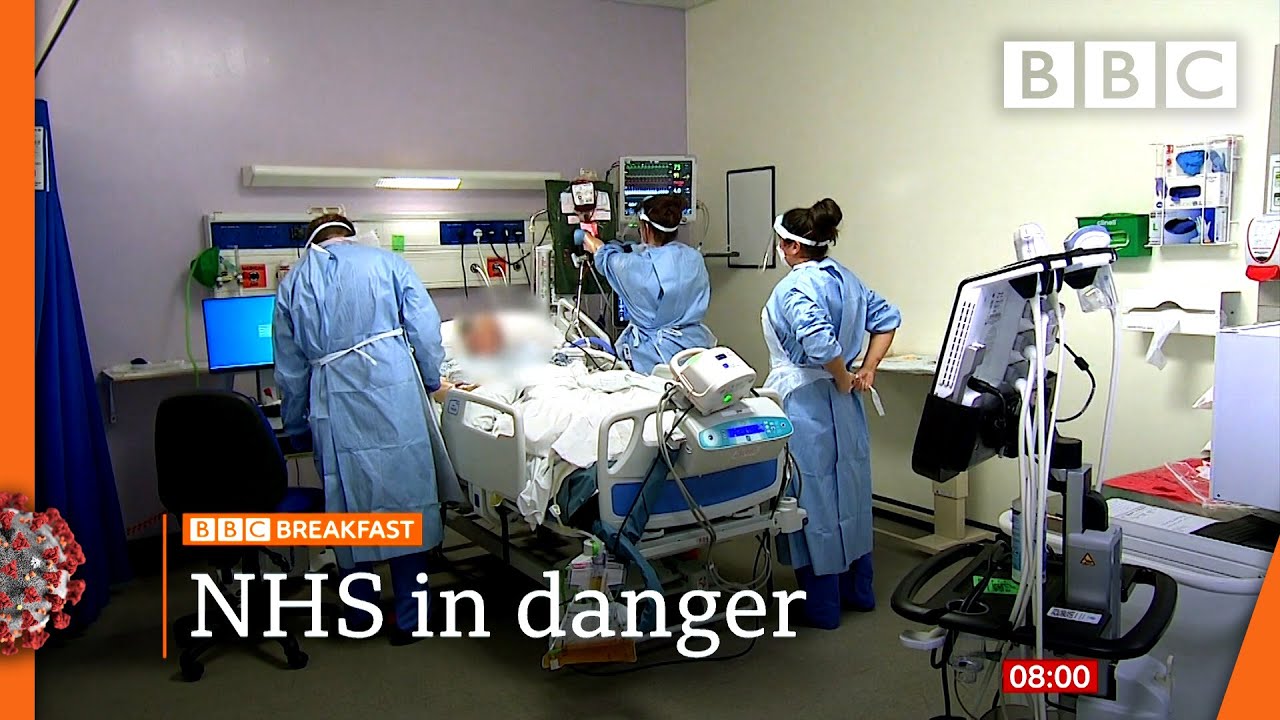
There are now 50% more Covid patients in hospital than during the peak of the first wave, with an increase of 10,000 patients since Christmas Day, NHS England chief Sir Simon Stevens said
Sir Simon said there needs to be a "huge acceleration" in the UK's vaccine rollout to reach the target of having the over-70s, the most clinically vulnerable and front-line health and care workers offered a jab by mid-February. He said this would involve expanding vaccine supplies, getting more places to give the jabs, and increasing the number of people and partnerships helping to "get the job done".
Members of the Armed Forces will use their logistical skills to help with the vaccine rollout. Brigadier Phil Prosser, Commander of Military Support to the Vaccine Delivery Programme, said the operation would be "unparalleled in its scale and complexity", adding that the army planned to distribute the vaccine as soon as it receives each dose.
Sir Simon also hit out at people who falsely claim that coronavirus is "fake news" and that hospitals are empty, saying it is an "insult" to NHS workers on the frontline, with the PM telling people making these claims to "grow up".
BBC News Live | Coronavirus Press Conference | UK Government Press Briefing | BBC
#BBC #BBCiPlayer #BBCNews #BBCCoronavirus #Coronavirus #Covid-19 #CoronavirusOutbreak #Corona #CoronavirusUK #borisjohnsonspeechonuklockdowntoday
Sentinel Indexing in Progress
Metadata and chapters are available. Claim extraction for this episode is pending.
All video content is delivered via YouTube embedded players in accordance with the YouTube Terms of Service. Sentinel provides research tools that promote discovery and accountability across political media.