
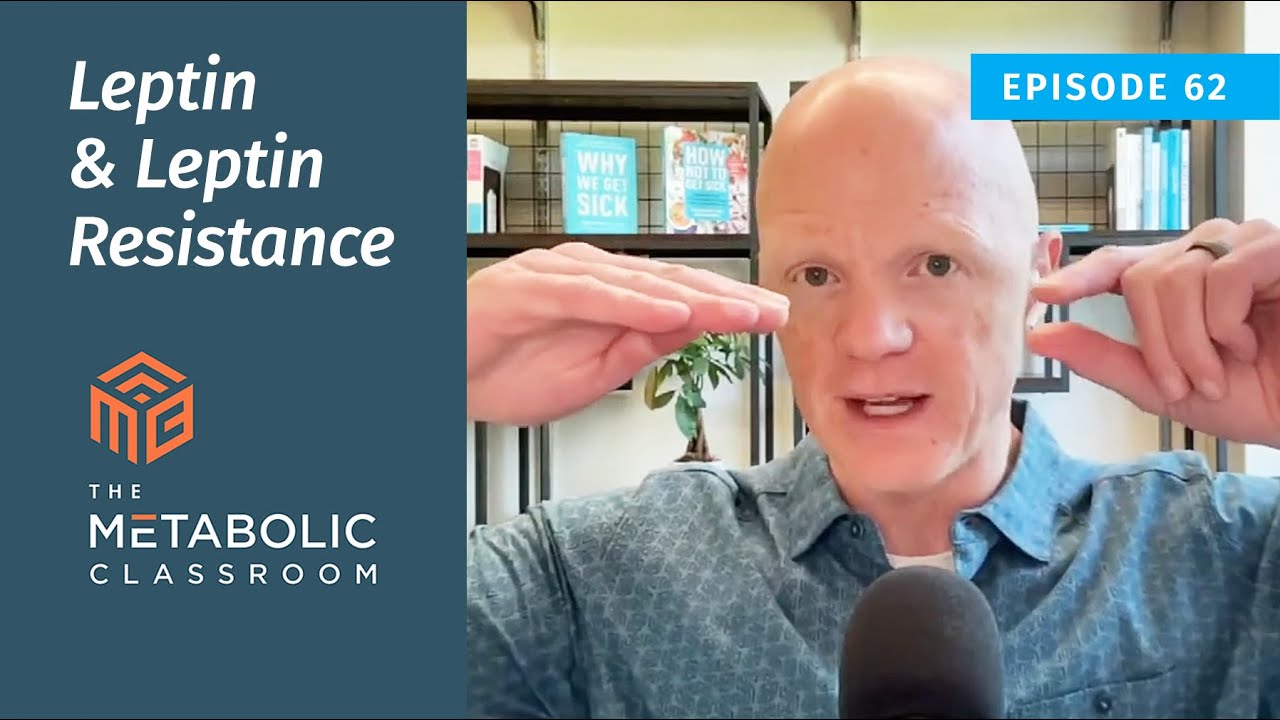
62: Leptin and Leptin Resistance Explained - Insights from Dr. Ben Bikman
July 18, 2024
64,557
3,136
152
5.09%
Search the Record
IndexedEvery word spoken in this episode is indexed. Type any phrase to jump straight to the moment it was said.
Type any word or phrase that may have been spoken. Click a result to seek the player to that exact moment.
Try a name, a topic, or a quoted line
Ben Bikman Episodes Around July 18, 2024
See what was published immediately before and after this episode.


 40:00Now Playing
62: Leptin and Leptin Resistance Explained - Insights from Dr. Ben Bikman


Chapters
YouTube Description
as posted by the channel📢 Ask Dr. Bikman’s Digital Mind
Dr. Ben Bikman’s lecture on leptin, delivered in his Metabolic Classroom series, highlights the hormone's critical role in metabolism. Leptin, primarily produced by white fat tissue, helps regulate energy balance by signaling the brain to suppress appetite and promoting mitochondrial biogenesis in muscle cells. Leptin levels correlate with body fat, and various factors like insulin and TNF alpha influence its production. Insulin significantly stimulates leptin secretion, highlighting a complex interplay between these hormones.
Leptin resistance, a condition where the body fails to respond effectively to leptin despite high levels, is similar to insulin resistance and often occurs in individuals with higher body fat. This leads to compromised satiety signals, energy expenditure, and potential obesity. Dr. Bikman also explores leptin’s broader effects on reproductive health, thyroid function, immune function, vascular health, and bone formation. These diverse roles underline leptin's significance in the body.
A historical perspective reveals leptin’s discovery in 1994 by Dr. Jeff Friedman’s lab at Rockefeller University. They found that leptin played a crucial role in regulating body weight in mice. However, leptin injections in obese humans did not yield similar results, as most obese individuals already have high leptin levels, leading to the understanding that leptin resistance, not a lack of leptin, is the issue in obesity.
The lecture concludes with practical insights on addressing leptin resistance, emphasizing the importance of controlling blood glucose and insulin levels, particularly through low-carb diets. This approach helps reduce leptin levels and improve leptin sensitivity, offering a pathway to better metabolic health and weight control.
My favorite mealreplacement shake(discountBEN10)
My favorite electrolytes (and more)(discountBEN15)
My favorite allulose source(discountBEN20)
#MetabolicHealth #Leptin #LeptinResistance #DrBenBikman #Hormones #WeightLoss #Metabolism #FatLoss #Endocrinology #Obesity #InsulinResistance #HealthTips #Biology #Fitness #Nutrition #Diet #HealthyLiving #Science #Wellness #MetabolicClassroom
References:
Insulin Stimulates Both Leptin Secretion and Production by Rat White Adipose Tissue
In vivo and in vitro evidence for the involvement of tumor necrosis factoralpha in the induction of leptin by lipopolysaccharide
Gender Differences in Both Spontaneous and Stimulated Leptin Secretion by Human Omental Adipose Tissue in VitroDexamethasone and Estradiol Stimulate Leptin Release in Women, But Not in Men
Leptin Regulation of Neuroendocrine Systems
Leptin Regulation of Immune Responses
Leptin effect on endothelial nitric oxide is mediated through Aktendothelial nitric oxide synthase phosphorylation pathway
(Due to YouTube’s character length constraints, not every reference is posted above. For a complete list, email support@insuliniq.com with your request.)
Links & Promotions
Guests & Subjects Covered
Sentinel Indexing in Progress
Metadata and chapters are available. Claim extraction for this episode is pending.
All video content is delivered via YouTube embedded players in accordance with the YouTube Terms of Service. Sentinel provides research tools that promote discovery and accountability across political media.