Big Think
@bigthink·8.8M subscribers·10.1K videos
Andrew Sullivan: We've Already Had a Gay President: Abraham Lincoln | Big Think
Posted
June 20, 2011
Views
252,759
Likes
2,132
Comments
1,276
Engagement
1.35%
June 20, 2011
252,759
2,132
1,276
1.35%
Every word spoken in this episode is indexed. Type any phrase to jump straight to the moment it was said.
Type any word or phrase that may have been spoken. Click a result to seek the player to that exact moment.
Try a name, a topic, or a quoted line
Episode Timeline
Every episode in order around the one you’re watching — click any card and the page flips straight to it.
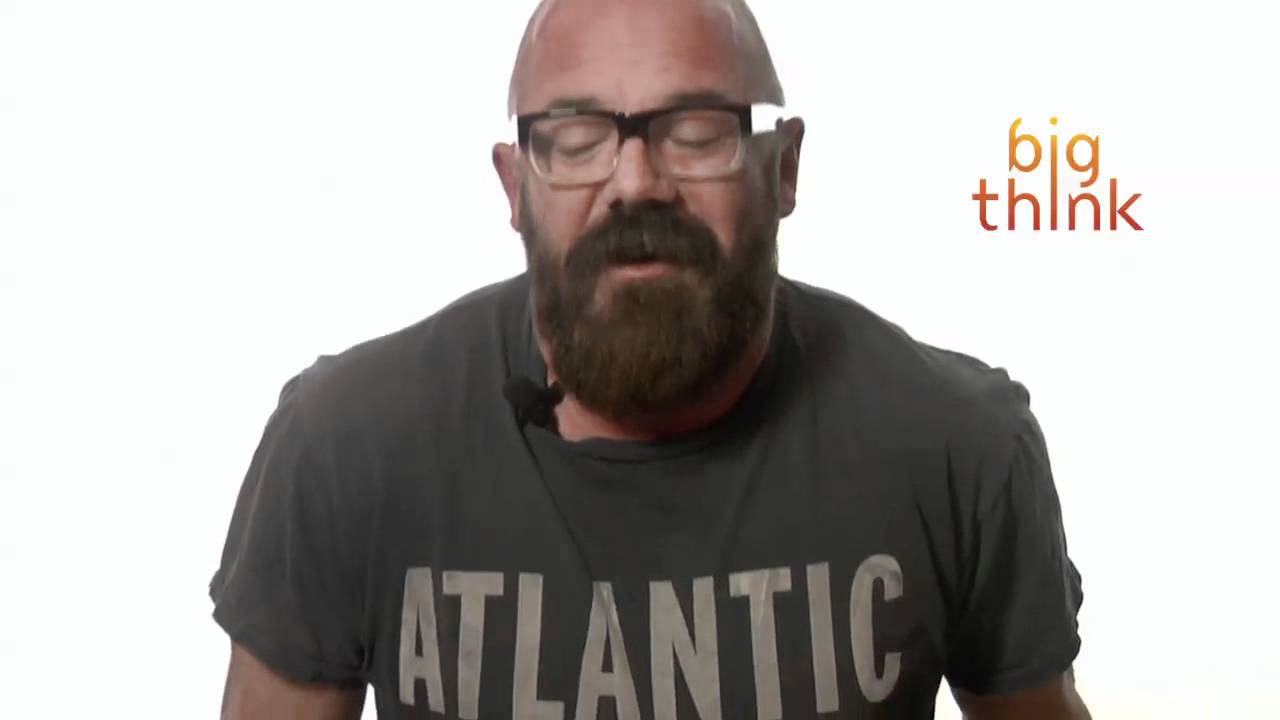 4:10Now Playing
We've Already Had a Gay President: Abraham Lincoln
New videos DAILY
Join Big Think Edge for exclusive videos
----------------------------------------------------------------------------------
One great thing about blogging is being able to talk about things that others are afraid to—like the fact that one of our greatest presidents liked to sleep with men.
----------------------------------------------------------------------------------
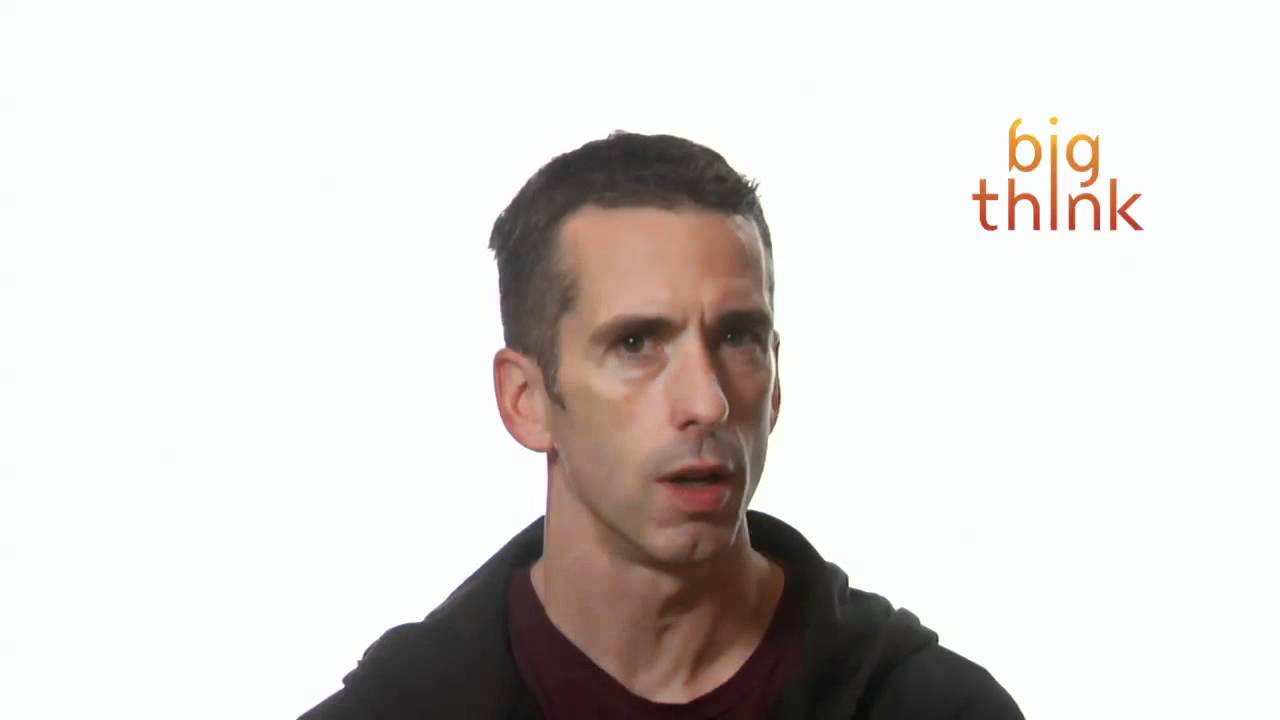
ANDREW SULLIVAN:
Andrew Sullivan is a conservative political writer and commentator and one of the pioneers of political blog journalism. He was born in England, where he attended Magdalen College, Oxford, but moved to the US in the 1980s to pursue a Masters in Public Administration and a PhD in Political Science at Harvard. He has remained in the US and has focused his writing on American political life.
In 1991 at the age of 27, Sullivan was appointed editor of The New Republic, over which he presided for 250 issues until he resigned in May 1996. Sullivan's tenure at TNR was often turbulent, controversial, and pioneering. The magazine expanded its remit beyond politics to cover such topics as the future of hip-hop, same-sex marriage, and affirmative action in the newsroom. TNR also published the first airing of 'The Bell Curve,' the explosive 1995 book on IQ, and 'No Exit,' an equally controversial essay that was widely credited with helping to torpedo the Clinton administration's plans for universal health coverage. In 1996, Sullivan was named Editor of the Year by Adweek magazine.
Sullivan is openly gay and has been a key figure in the public discourse on such issues as gays in the military and same-sex marriage. His 1993 TNR essay, 'The Politics of Homosexuality,' was credited by the Nation magazine as the most influential article of the decade in gay rights. His 1995 book, 'Virtually Normal: An Argument About Homosexuality,' was published to positive reviews, became one of the best-selling books on gay rights, and was translated into five languages. He followed it with a reader, 'Same-Sex Marriage: Pro and Con,' and testified before Congress on the Defense of Marriage Act in 1996. His second book, 'Love Undetectable: Notes on Friendship, Sex, and Survival,' was published in 1998 in the United States and Britain. It was a synthesis of three essays on the plague of AIDS, homosexuality and psycho-therapy, and the virtue of friendship. Sullivan tested positive for HIV in 1993, and remains in good health.
In the summer of 2000, Sullivan became one of the first mainstream journalists to experiment with blogging and soon developed a large online readership for his blog The Daily Dish. He has blogged independently and for Time.com, but in February 2007 he moved his blog to The Atlantic Online where he now writes daily.
----------------------------------------------------------------------------------
TRANSCRIPT:
Question: Who is the greatest gay American?
I think there were two great gay Americans obviously, and that was Abraham Lincoln and Walt Whitman.
Question: Abraham Lincoln was gay?
Andrew Sullivan: I think it’s obvious, obvious that the man was gay and not many people sleep with other men and when the other man leaves have a nervous breakdown. Very few other presidents in history have slept with a man in their own bed in the White House while their wife slept next door. It is staring us in the face. It was written at the time, historical consensus is slowly shifting. It’s far too dangerous right now for people to acknowledge. But which, I mean, no only was he... had a homosexual orientation, but he actually was sexually active as well, which is really quite remarkable.
And I know it is controversial... there was amazingly—unfortunately flawed because the guy died before he finished it—"The Intimate Life of Abraham Lincoln" by C.A. Tripp, which really blew a lot of this stuff out of the water. And mainstream Lincoln scholarship for a long time completely dismissed this, in fact. But you are beginning to see in the scholarship out there, an emerging scholarship, that what people at the time called his lavender streak, at the time, is a core way of understanding who this human being was. Not that he didn’t also function heterosexually; gay people in these periods of time had to. And the social and psychological pressures that required people to adhere to heterosexual norms were overwhelming. And not that we will ever find, you know, proof of such, but just the simple facts I told you, which no one can dispute, are pretty remarkable...
Read the full transcript at
Sentinel Indexing in Progress
Metadata and chapters are available. Claim extraction for this episode is pending.
All video content is delivered via YouTube embedded players in accordance with the YouTube Terms of Service. Sentinel provides research tools that promote discovery and accountability across political media.