Big Think
@bigthink·8.8M subscribers·10.1K videos
Big Think Interview with Melissa Franklin | Big Think
Posted
April 24, 2012
Views
2,746
Likes
45
Comments
5
Engagement
1.82%
April 24, 2012
2,746
45
5
1.82%
Every word spoken in this episode is indexed. Type any phrase to jump straight to the moment it was said.
Type any word or phrase that may have been spoken. Click a result to seek the player to that exact moment.
Try a name, a topic, or a quoted line
Episode Timeline
Every episode in order around the one you’re watching — click any card and the page flips straight to it.
 22:33Now Playing
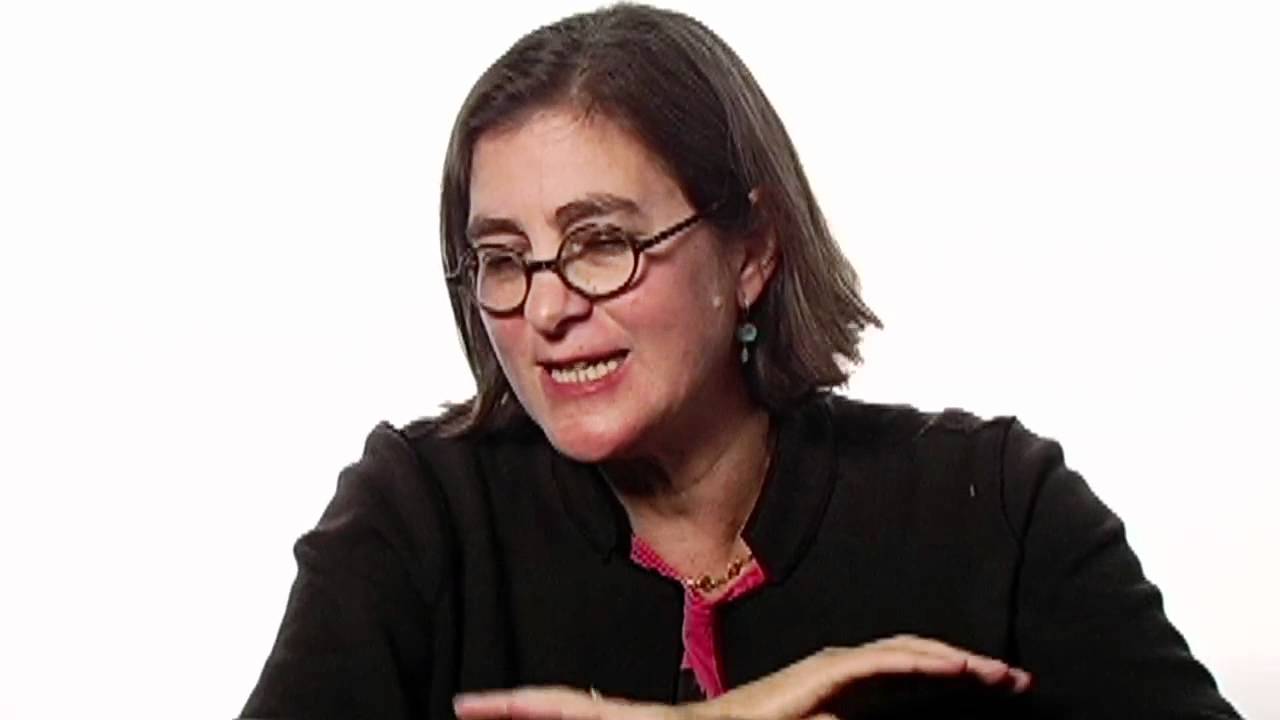
Big Think Interview with Melissa Franklin
New videos DAILY
Join Big Think Edge for exclusive videos
----------------------------------------------------------------------------------
A conversation with the Harvard Professor of Physics.
----------------------------------------------------------------------------------
Melissa Franklin:
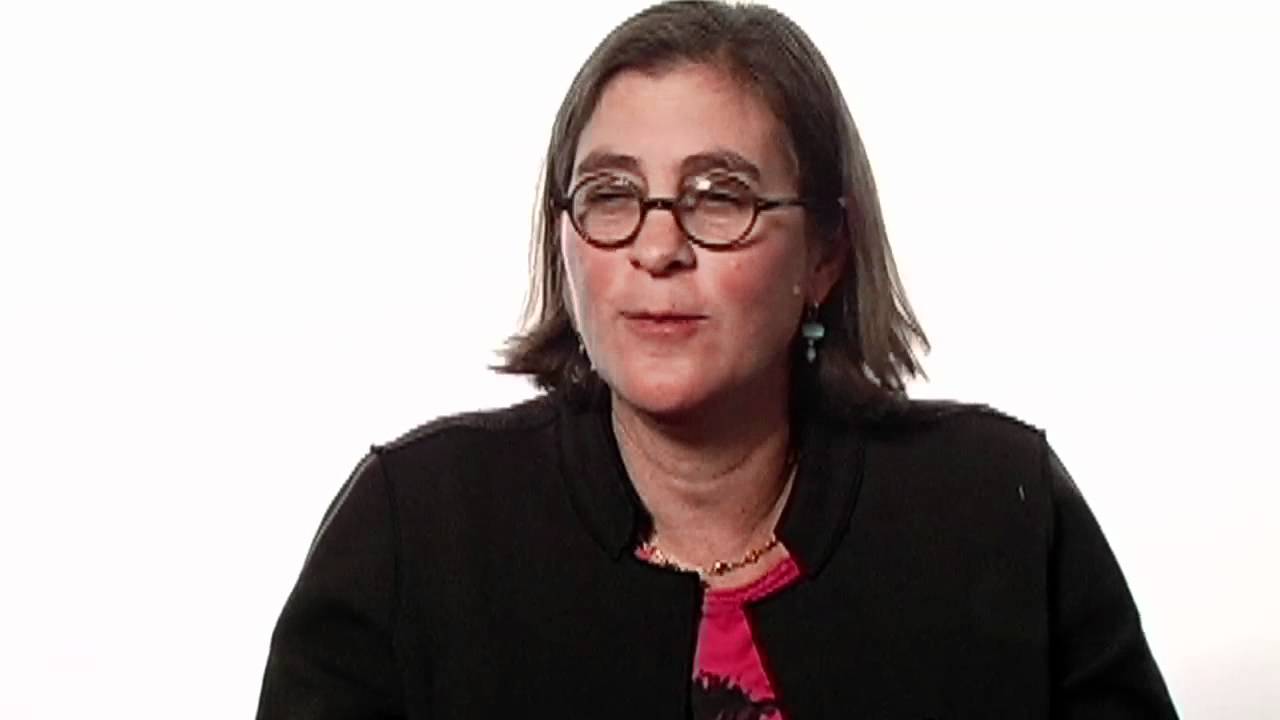
Melissa Franklin is the first woman ever to achieve tenure in the Harvard physics department. She is an experimental particle physicist who has been working on the Collider Detector at Fermilab, an experiment designed generally to study the collisions of protons and anti-protons at the highest energies currently possible. In January, she will be working at the new Large Hadron Collider in Switzerland.
----------------------------------------------------------------------------------
TRANSCRIPT:
Question: At what age did you know you wanted to be a scientist?
Melissa Franklin: Yeah. I never really wanted to be a scientist, but I got very interested in physics when I was about 15. I had quit school when I was 13 and I just somehow got interested in physics and then I just thought I’d study it for a while until I could do something else. And things happened in such a way that that never happened.
Question: What did you want to be?
Melissa Franklin: Well you know, I wanted to be an editor for fiction, or a filmmaker, or a great writer, or a Jazz musician.
Question: And what led you particle physics?
Melissa Franklin: I wasn’t really smart enough to be any of those other things. Unfortunately. The thing about particle physics is that it’s very intellectual alluring and then you get to do a lot of really fun things in it. You get to build huge experiments and you actually do it yourself. So you get to drive forklifts and you get to work with flammable gasses and explosive things and you get to drill things. At the same time, you get to think about quantum mechanics and philosophical things and you get to write computer code. You get to do a lot of things that are very fun and you don’t normally get to do them in life. Usually you just move into an apartment that’s already made and then you just cook dinner. I mean that’s it, right? But in this case you get to build the whole thing and wire it and do everything. That may not make any sense, but you really get to do a lot of fun things and I guess that sort of kept me in it.
Question: What were the unique challenges of being a woman in the field?
Melissa Franklin: Well, when I as young I didn’t really notice that it was asymmetric. I didn’t notice a lot of things when I was young. But so it wasn’t so hard doing – trying to do physics and because I didn’t take it very seriously, because I didn’t really want to be a physicist, I didn’t have to worry about the fact that other people didn’t think I was very good at it. It didn’t really matter to me in fact. What mattered to me was that I was interested in it and not what people thought of me. Amazingly enough. Lately I worry about what people think of me, I don’t know what happened. I think it could be the change. It could be the life change. But the kind of problems I had were ones of, it was hard to focus. I didn’t have a lot of confidence and people were always trying to kiss you and stuff like that. You’d be doing problem sets with somebody and you’d be thinking about the physics and they’d be thinking about your lips, or your whatever. And that’s complicated.
Question: How did the Harvard Physics Department react to you getting tenure?
Melissa Franklin: Actually, I’ve been there a long time. I’ve been at Harvard for 22 years and the thing I really like about the Physics Department there is that everybody is so confident and everybody has such a high opinion of themselves. They don’t really worry about you. They’re not threatened by me at all except when I try to be really threatening. Some of them are smaller than I am. But that’s one thing that I really like about it. The other thing is, I was the first woman there and they had a little problem – I mean the first woman who had tenure. So I, as the first woman who went to, for instance, a senior faculty meeting of the senior faculty. And I remember after a few faculty meetings a professor came up to me and said, “You know, it might be a little easier for everyone if you just talked less because we’re really not used to having a women at all in the room and then one who talks so much is a little bit disconcerting.” So, that was interesting. People have been generally pretty nice, but people in physics can be less evolved socially than other people. So, you have to deal with that.
Question: What does a particle physicist do?
Read the full transcript at
Sentinel Indexing in Progress
Metadata and chapters are available. Claim extraction for this episode is pending.
All video content is delivered via YouTube embedded players in accordance with the YouTube Terms of Service. Sentinel provides research tools that promote discovery and accountability across political media.