Big Think
@bigthink·8.8M subscribers·10.1K videos
How Bernie Madoff Helped the Art Market | Arne Glimcher | Big Think
Posted
April 24, 2012
Views
434
Likes
6
Comments
1
Engagement
1.61%
April 24, 2012
434
6
1
1.61%
Every word spoken in this episode is indexed. Type any phrase to jump straight to the moment it was said.
Type any word or phrase that may have been spoken. Click a result to seek the player to that exact moment.
Try a name, a topic, or a quoted line
Episode Timeline
Every episode in order around the one you’re watching — click any card and the page flips straight to it.
 8:17Now Playing
How Bernie Madoff Helped the Art Market
New videos DAILY
Join Big Think Edge for exclusive videos
----------------------------------------------------------------------------------
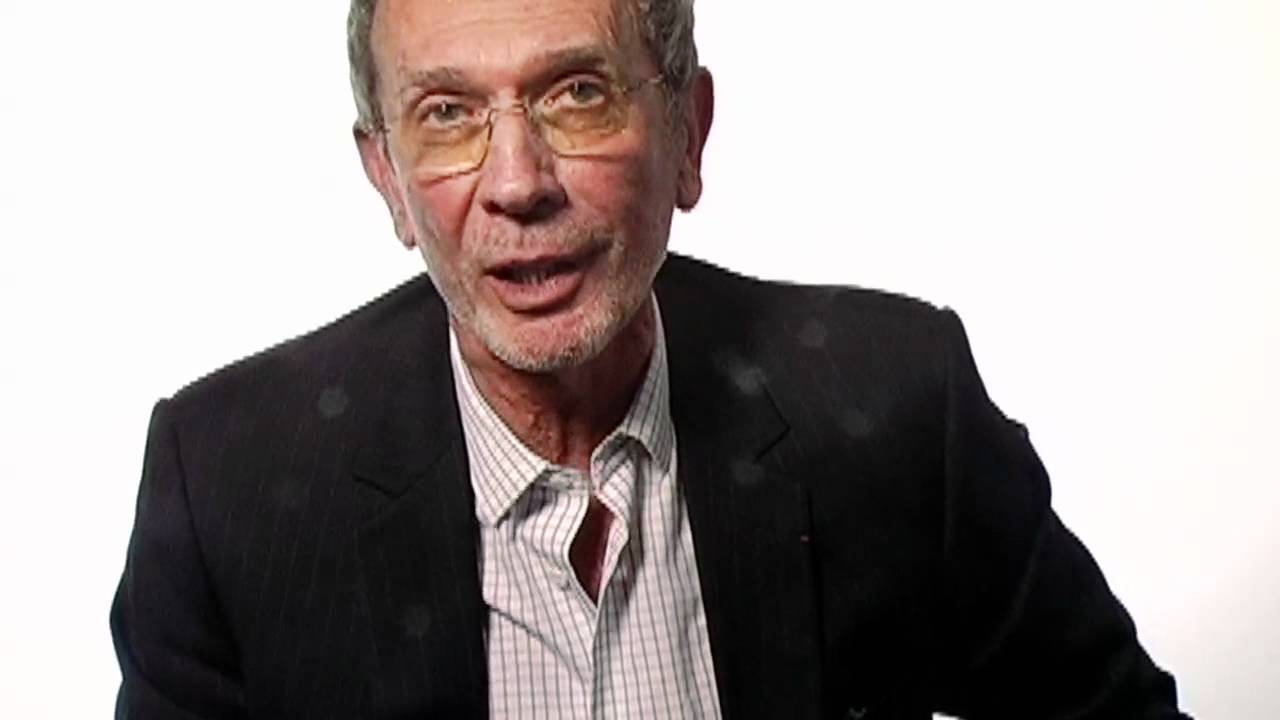
There are more masterpieces available to people now than ever before, says gallery owner Arne Glimcher.
----------------------------------------------------------------------------------
Arne Glimcher:
Arne Glimcher is the founder and chairman of the PaceWildenstein art gallery. He is also a published author, a film producer and a director, whose pictures include The Mambo Kings, Gorillas in the Mist, and Picasso & Braque Go to the Movies.
----------------------------------------------------------------------------------
TRANSCRIPT:
Question: What is the future of the art market?
Arne Glimcher: I think the art market is still very strong. It's strong for its important things. It's not strong for speculation. You can still achieve very high prices for great works of art, and there's quite a large audience out there. This past summer, Ezra Merkin had to sell his collection as part of fallout from the Madoff situation. It's been in all the papers, so I'm not revealing anything. And it's a collection that we put together largely ourselves, of Rothko and Giacometti. And we resold the collection for $310 million. So there was somebody there to write a check for $310 million for a group of works or art. So there are people who are taking advantage of the opportunities to get works that were previously not available. And a lot of masterpieces have been locked up in the hands of people who would ordinarily never have to sell them. They are slowly becoming available as people need more capital. So you know, there are opportunities like that. My illustration is just that there is a very healthy art market out there. What appeared to be a healthy art market during the boom was really a sick art market.
Question: How is the role of auction houses going to change in the next few years?
Arne Glimcher: Auction houses have been as much responsible for the crash as any other entity. I think they're incredibly irresponsible, overestimating to get things, then calling clients and saying, we haven't had so much interest in the work of yours we're going to auction. You should come down on the reserve price. They are very sneaky. That's a good word, sneaky. We should bring back sneaky. And they're having a lot of trouble getting work. I was talking to someone at Sotheby's, and they got a very nice but small estate from Akron, Ohio, and one of the guys at Sotheby's said to me, if we hadn't gotten that group of works, we would have had 22 works for the auction. So now people have trepidations about the auctions. The problem is, if you put a work into the auction that has a high value on it, and it hasn't sold and it doesn't sell, you have burned the work. A lot of collectors don't want that work then. There is a public confirmation that this work was not wanted. Why should I buy that? And that's a danger. So people are being very cautious now, and I think the auction houses' problems have been to our benefit. We've gotten a lot of things that ordinarily would have gone to auction because people want them sold quietly and privately and discreetly.
Question: There’s more art being created now than ever. Is this a good thing?
Arne Glimcher: No, I think it is just the opposite. I think it marks a kind of fallow period where art has become an elective rather than an imperative. I like to think that art chooses the artist, but in recent years the artist has chosen art as a vocation. You go to art school or -- and you can make a fortune out there. All you have to do is something that's interesting, and your shows are going to sell out, and people are going to be waiting in line. But you know, it's like a Magritte painting. There's a Magritte painting of men with bowler hats and umbrellas falling from the sky like rain. I think that's what's happening right now: all of those guys are falling from the sky like rain. And it’s bad. It's very negative. I think I got off the track, didn't I?
Topic: The up side
Arne Glimcher: For me the most exciting art is coming from China, and that's why I'm there. And I'm not saying that because we're there; that's why I'm there. It's fresh. I saw a 28-year-old artist's video piece that was just spectacular last week. Never seen her work before, and she did a series of videos that made an environment of three couples sitting on benches together, three very beautiful Chinese couples wearing white clothing, very sheer white clothing. And as they begin -- the men were absolutely stationary --
Read the full transcript at
Sentinel Indexing in Progress
Metadata and chapters are available. Claim extraction for this episode is pending.
All video content is delivered via YouTube embedded players in accordance with the YouTube Terms of Service. Sentinel provides research tools that promote discovery and accountability across political media.