Big Think
@bigthink·8.8M subscribers·10.1K videos
Jeff Jarvis on Transparency versus Objectivity | Big Think
Posted
April 24, 2012
Views
316
Likes
6
Comments
1
Engagement
2.22%
April 24, 2012
316
6
1
2.22%
Every word spoken in this episode is indexed. Type any phrase to jump straight to the moment it was said.
Type any word or phrase that may have been spoken. Click a result to seek the player to that exact moment.
Try a name, a topic, or a quoted line
See what was published immediately before and after this episode.
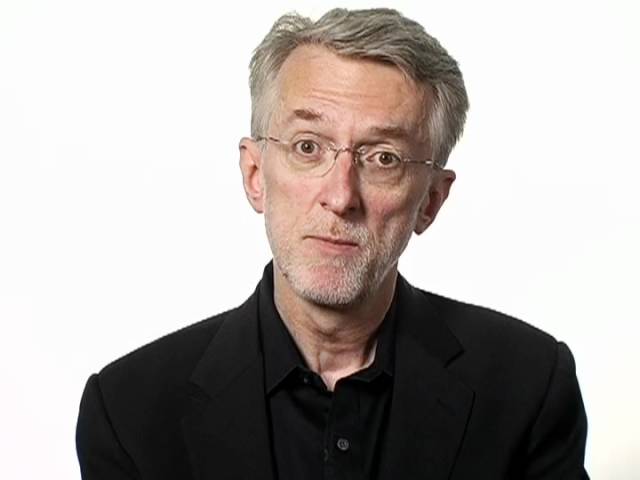 1:27Now Playing
Jeff Jarvis on Transparency versus Objectivity
New videos DAILY
Join Big Think Edge for exclusive videos
----------------------------------------------------------------------------------
Objectivity, Jarvis says, is a lie.
----------------------------------------------------------------------------------
JEFF JARVIS:
JEFF JARVIS, author of Gutenberg the Geek (Amazon Publishing), Public Parts: How Sharing in the Digital Age Improves the Way We Work and Live (Simon & Schuster, 2011) and What Would Google Do? (HarperCollins 2009), blogs about media and news at Buzzmachine.com. He is associate professor and director of the Tow-Knight Center for Entrepreneurial Journalism at the City University of New York’s Graduate School of Journalism.
He is consulting editor and a partner at Daylife, a news startup. He consults for media companies and is a public speaker. Until 2005, he was president and creative director of Advance.net, the online arm of Advance Publications. Prior to that, Jarvis was creator and founding editor of Entertainment Weekly; Sunday editor and associate publisher of the New York Daily News; TV critic for TV Guide and People; a columnist on the San Francisco Examiner; assistant city editor and reporter for the Chicago Tribune; reporter for Chicago Today.
----------------------------------------------------------------------------------
TRANSCRIPT:
Question: Does transparency trump objectivity?
Jeff Jarvis: I think objectivity was a lie, objectivity was an effort to say, “I have no opinions, I’m kind of not human and I can turn off all opinions that I have and I don’t need to tell you anything about myself because I decree myself objective.”
Well no, I think the public has a right to know your background, your perspective, your influences in big and little ways.
Maybe you should put in a box of all the links that you saw before you wrote a story so that they know what sources, what influenced you.
I think that transparency is a matter of respect and trust to the audience. Now then comes intellectual honesty, then if you say, “Well yeah okay, I’m a Democrat, I’ve told you I’m a Democrat, but I’m going to tell you something that’s going to hurt the Democratic Party because it’s the right thing to do." You’ll respect me for doing that, I think you’ll respect me more for me having told you that I’m a Democrat.
So transparency is about the trust and the relationship with the public you’re serving. That I think is an ethic that we can learn a lot from. Objectivity is about hiding stuff, objectivity is about saying, “No, no, no, no, I’m not gonna tell you my opinions because that’s somehow gonna make me more objective”--that’s a lie of omission.
Sentinel Indexing in Progress
Metadata and chapters are available. Claim extraction for this episode is pending.
All video content is delivered via YouTube embedded players in accordance with the YouTube Terms of Service. Sentinel provides research tools that promote discovery and accountability across political media.