Big Think
@bigthink·8.8M subscribers·10.1K videos
Opponents of Gay Marriage Should Not Be Vilified | Ed Koch | Big Think
Posted
April 24, 2012
Views
813
Likes
5
Engagement
0.62%
April 24, 2012
813
5
0.62%
Every word spoken in this episode is indexed. Type any phrase to jump straight to the moment it was said.
Type any word or phrase that may have been spoken. Click a result to seek the player to that exact moment.
Try a name, a topic, or a quoted line
Episode Timeline
Every episode in order around the one you’re watching — click any card and the page flips straight to it.
 3:28Now Playing
Opponents of Gay Marriage Should Not Be Vilified
New videos DAILY
Join Big Think Edge for exclusive videos
----------------------------------------------------------------------------------
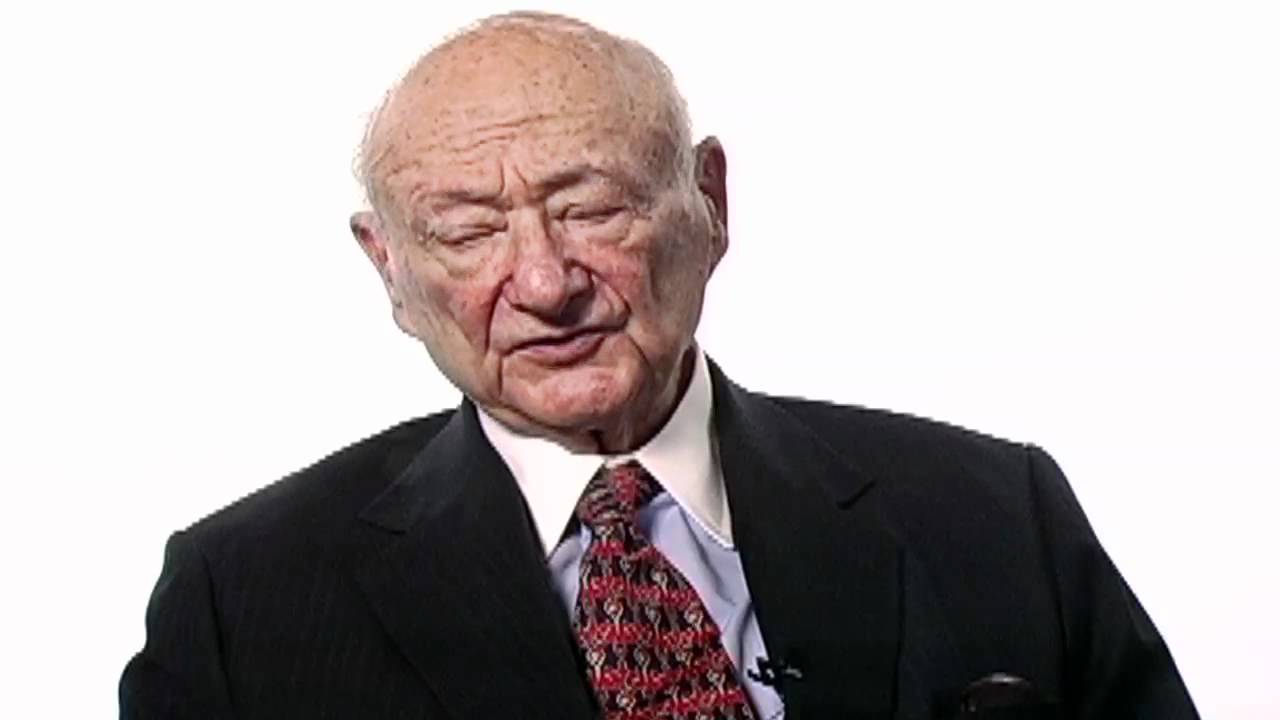
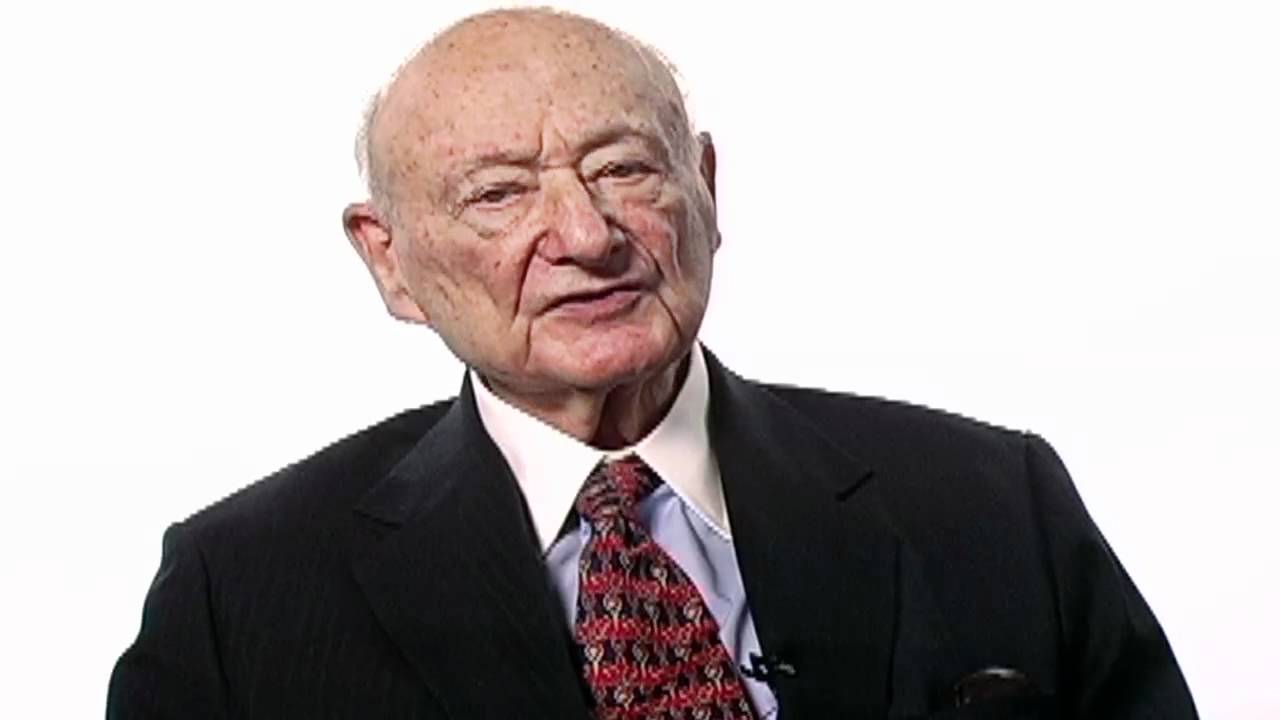
They must be educated, says Ed Koch, who was an early champion of anti-discrimination measures in the mid-1980s.
----------------------------------------------------------------------------------
Ed Koch:
Ed Koch was the 105th Mayor of New York City, serving 3 terms, from 1978 to 1989. During his time as Mayor, Koch oversaw the city’s resurgence from a severe recession, helped to develop low-income housing, and created legislation that prohibited discrimination by the government based on sexual orientation in the areas of employment, housing and education, among many other achievements. The author of 8 books, including “Citizen Koch” and “My Fight Against Anti-Semitism,” he hosts a show on Bloomberg Radio, was recently a judge for “The People’s Court,“ and writes columns for a variety of publications. Born in the Bronx, Koch achieved the rank of Sergeant while fighting in World War II, before completing his law degree at NYU. He lives in Manhattan.
----------------------------------------------------------------------------------
TRANSCRIPT:
Question: How did you enact one of the country’s first city ordinances that prohibited discrimination based on sexual orientation?
Ed Koch: Well, it was interesting. When the City Council had the bill in 1986, there was doubt that it could pass because there were people who said they would not vote for it. And what I did was, I called people in, Democrats and Republicans, and I said, "If you're opponent in the primary or the general, irrespective of whether you are a Democrat or a Republican, uses your vote for the bill against you, I will support you in your primary and in your general election. And I have no doubt that as a result of that assurance on my part, when people were somewhat afraid, in those days it was even more difficult than today, we ultimately got a majority. I think a majority was a majority of four. The then Speaker of the City Council, Peter Vallone, voted against the bill. He had made a commitment to me when he was running for Speaker that even though he might not vote for the bill, I did not ask him to vote for it, he would let it be brought to the floor. And that was in exchange for my support for his candidacy at the time for, in effect, Majority Leader, or Speaker, or whatever they called it then in those days. And it was passed.
Question: What are your thoughts on the New York State Senate’s recent dismissal of the same-sex marriage bill?
Ed Koch: Now, one also has to understand, this is a question of education. You can't necessarily vilify the opponents of the legislation who may be doing it as a matter of their religious conscience. You have to educate them bring them in, talk to them, and also use the power of the ballot to substitute someone who is more favorable to your point of view if they decline to go your way. But, they're not evil simply because they voted, no. Remember, the high point for those that believe in gay marriage, or the right of gay marriage for same sex couples, was seven states, and then two states got off that boat in California by way of a referendum where the people voted to rescind their support for that legislation, and Maine where a court rescinded their ability to have same sex marriages. It's a matter of education; it's a matter of politics in terms of supporting people who have your point of view and opposing people who don't.
Sentinel Indexing in Progress
Metadata and chapters are available. Claim extraction for this episode is pending.
All video content is delivered via YouTube embedded players in accordance with the YouTube Terms of Service. Sentinel provides research tools that promote discovery and accountability across political media.