Big Think
@bigthink·8.8M subscribers·10.1K videos
Phil Gordon on Not Chasing Losses | Big Think
Posted
April 24, 2012
Views
6,696
Likes
67
Comments
3
Engagement
1.05%
April 24, 2012
6,696
67
3
1.05%
Every word spoken in this episode is indexed. Type any phrase to jump straight to the moment it was said.
Type any word or phrase that may have been spoken. Click a result to seek the player to that exact moment.
Try a name, a topic, or a quoted line
See what was published immediately before and after this episode.
 1:42Now Playing
Phil Gordon on Not Chasing Losses
New videos DAILY
Join Big Think Edge for exclusive videos
----------------------------------------------------------------------------------
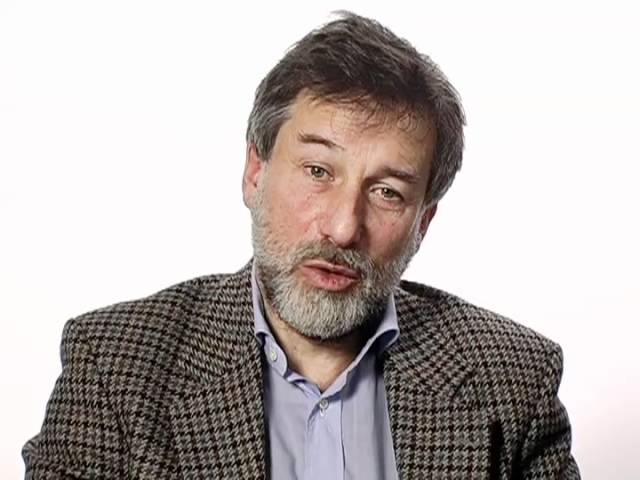
Phil Gordon says the worst business strategy is trying to hard to make up for a loss.
----------------------------------------------------------------------------------
Phil Gordon:
Phil Gordon is a professional poker player, teacher, television analyst, and author. Phil is one of only five people in the world to have won a World Poker Tour event and finish at the final table of the World Series of Poker. Phil is a proud to be a national spokesman and board member for the Prevent Cancer Foundation. Phil leads a "No Limits" life.
----------------------------------------------------------------------------------
TRANSCRIPT:
Gordon: For me, the losses themselves aren’t nearly as tragic as the people who chase their losses. You know, people can handle losing 10% of their bankroll, 15%, 20% of their bankroll in a short amount of time, but the people that I see that are really self destructive and end up broke are the guys that say, “Well, I used to have 100, now I’ve got 80. I’ve got to get back to 100, and the only way to do that in a short amount of time is to play bigger.” That starts a process that’s almost assuredly self-destructive, and, you know, I see this in financial markets all the time, where people, you know, their fund runs up a small loss and suddenly, well, they’re not going to get their bonus unless they can finish in the positive. We’ve got to pile on the risk now, and that happens over and over and over, and it just, especially in the poker world, it’s 100% a path of destruction. You just, you can’t multiply your risk after you lose. You really have to step back and play smaller, and I don't know too many people that have that kind of discipline. You know, you’re used to playing at 20/40 or 30/60 and you lose, and you have to go down and play 10/20 now or you’re really significantly increasing your chances of going dead broke and there just aren’t too many people that are able to do that.
Sentinel Indexing in Progress
Metadata and chapters are available. Claim extraction for this episode is pending.
All video content is delivered via YouTube embedded players in accordance with the YouTube Terms of Service. Sentinel provides research tools that promote discovery and accountability across political media.