Big Think
@bigthink·8.8M subscribers·10.1K videos
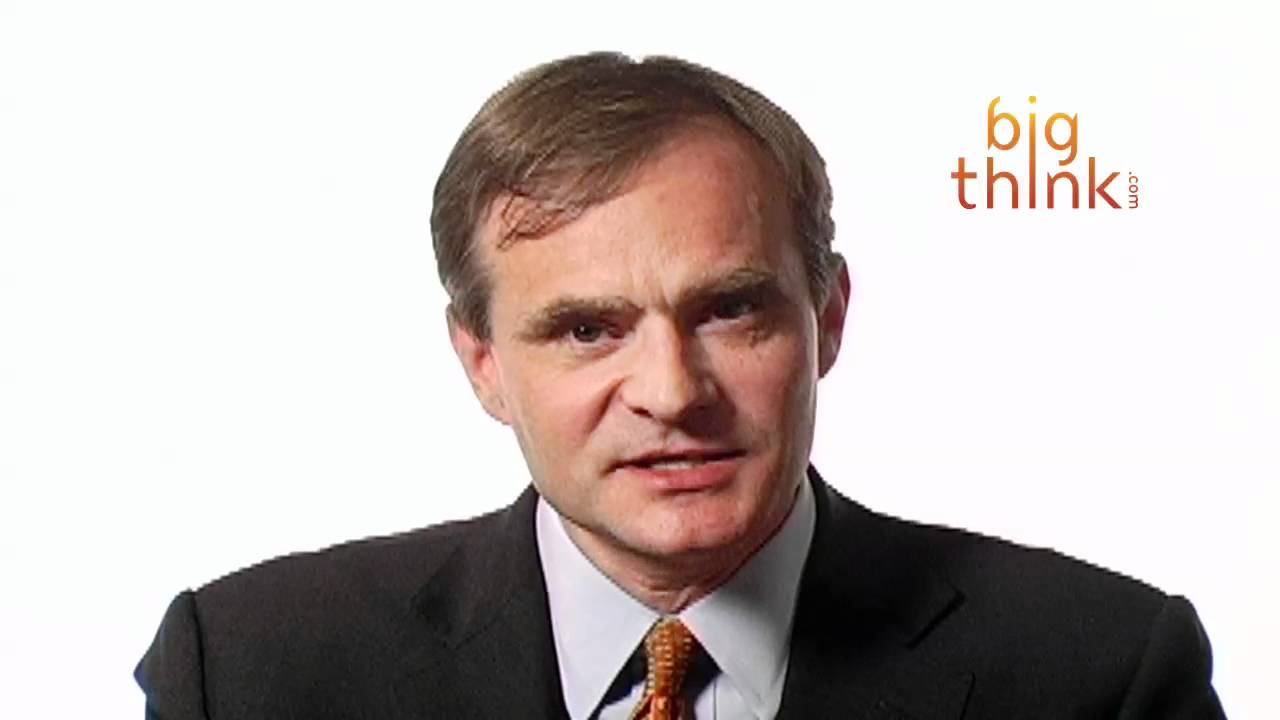
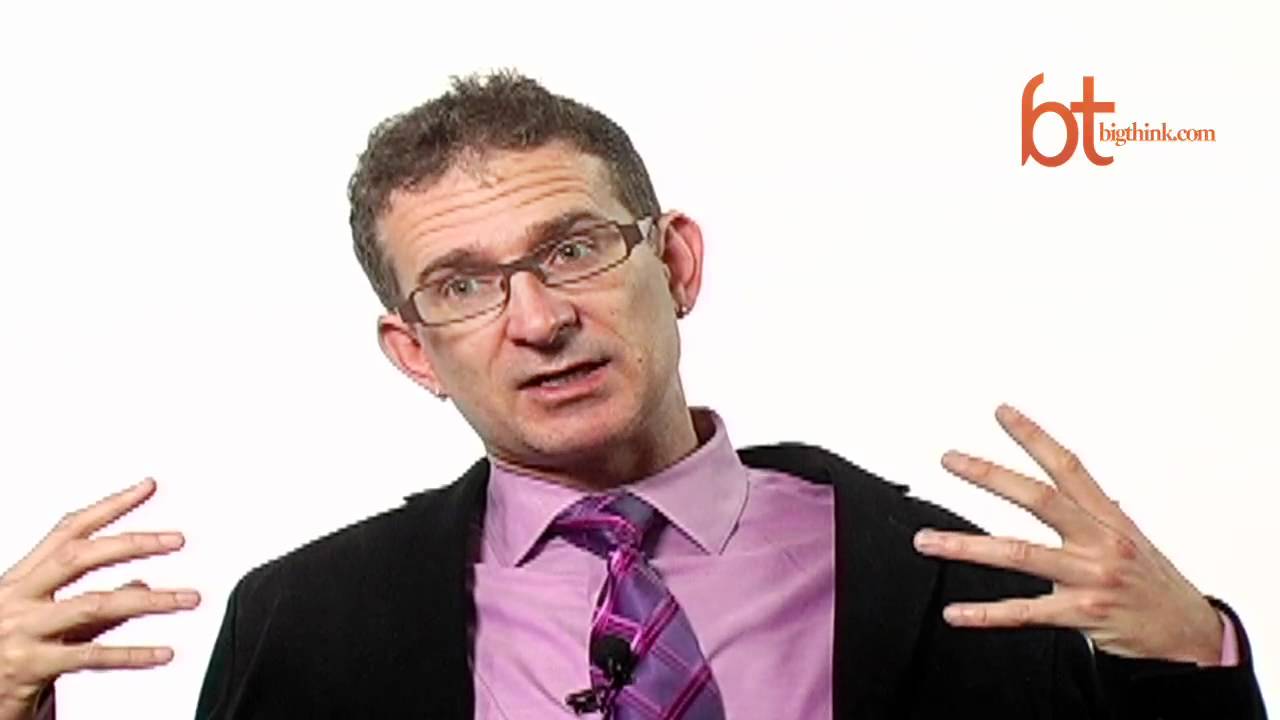
Simon de Pury: Science and the Arts | Simon de Pury | Big Think
Posted
April 24, 2012
Views
125
April 24, 2012
125
Every word spoken in this episode is indexed. Type any phrase to jump straight to the moment it was said.
Type any word or phrase that may have been spoken. Click a result to seek the player to that exact moment.
Try a name, a topic, or a quoted line
 1:25Now Playing
Simon de Pury: Science and the Arts
New videos DAILY
Join Big Think Edge for exclusive videos
----------------------------------------------------------------------------------
What can art learn from science, and vice-versa?
----------------------------------------------------------------------------------
Simon de Pury:
One of the art world's leading figures, Simon de Pury is renowned for his deep and long-standing knowledge of the global marketplace and his legendary auctioneering style. He generates excitement in the saleroom with a display of great wit and can conduct sales in four languages-English, French, German and Italian.
Born in Basel in 1951, Simon de Pury studied at The Academy of Fine Arts in Tokyo in the 1970s. After working at the auctioneers, Kornfeld & Klipstein in Bern and subsequently studying at Sotheby's Institute, Simon de Pury joined Sotheby's working in London, Geneva and Monte Carlo.
In 1997, Simon de Pury co-founded with Daniella Luxembourg, de Pury & Luxembourg Art, a Geneva-based art advisory firm. In 2001, this firm merged with Phillips Auctioneers to become Phillips, de Pury and Luxembourg which specialized in the sale of Impressionist, Modern and Contemporary art, Jewelry, Photography, and 20th and 21st Century Decorative Arts. In 2004, Simon de Pury became the majority shareholder and Chairman of Phillips de Pury & Company.
----------------------------------------------------------------------------------
TRANSCRIPT:
Simon de Pury: I think the new technologies allow artists to use totally new tools. And I mean video art has now been a mainstay of the contemporary art market for the last 20 years. But I think that it’s still very difficult to anticipate what totally new, novel type of artworks will, you know, be introduced into what we know today as . . . And so there will be much wider use of mediums at the disposal of the artists working today or tomorrow. I think there are plenty of people who try to bring scientists and artists together to see, you know, how to create a cross-fertilization between those worlds. There are specific artists whose work overall really focuses on that aspect. One of the most interesting British artists is _________ Tyson. And he is very much plugged into what happens in the scientific world, and his whole work is actually based on that. And that’s an example of the influence of what’s happening in the scientific world or the artistic world. Recorded on: 2/7/08
Sentinel Indexing in Progress
Metadata and chapters are available. Claim extraction for this episode is pending.
All video content is delivered via YouTube embedded players in accordance with the YouTube Terms of Service. Sentinel provides research tools that promote discovery and accountability across political media.