Big Think
@bigthink·8.8M subscribers·10.1K videos
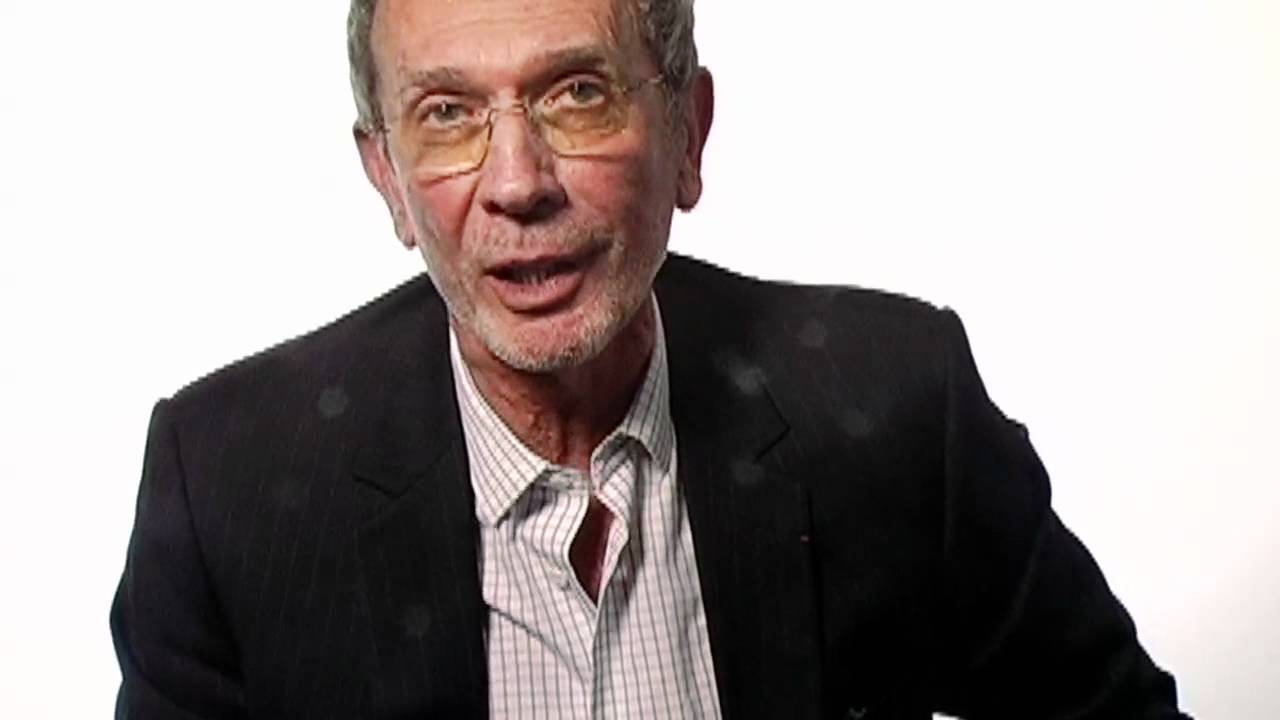
The Business of Starting Out Gay Peter Sisson | Big Think
Posted
April 24, 2012
Views
627
Likes
12
Engagement
1.91%
April 24, 2012
627
12
1.91%
Every word spoken in this episode is indexed. Type any phrase to jump straight to the moment it was said.
Type any word or phrase that may have been spoken. Click a result to seek the player to that exact moment.
Try a name, a topic, or a quoted line
Episode Timeline
Every episode in order around the one you’re watching — click any card and the page flips straight to it.
 6:24Now Playing
The Business of Starting Out Gay
New videos DAILY
Join Big Think Edge for exclusive videos
----------------------------------------------------------------------------------
Does sexuality impact the world of professional bonding? Internet entrepreneur Peter Sisson weighs in on the issue. This video is part of a “Profiles in Entrepreneurship” series with Start Out, which promotes entrepreneurship in the LGBT community.
----------------------------------------------------------------------------------
Peter Sisson:
Peter Sisson, CEO of Line2 (also known as Toktumi), is an entrepreneur and VoIP pioneer whose last company, Teleo, was acquired by Microsoft in 2005. He has been on the forefront of the Internet industry for 15 years, starting four companies and nurturing many others through advisory roles. He was named one of the top 10 “people to watch” by CNET, and won the Arthur Anderson Best Practices Award for Strategic Leadership with Wineshopper.com. He is a graduate of Dartmouth, Stanford and Cornell Universities.
----------------------------------------------------------------------------------
TRANSCRIPT:
Question: Has being gay affected your experience as an entrepreneur?
Peter Sisson: Yeah, I think where it has has mostly been in the opportunity to bond with people in the industry. Certainly in the Bay Area, where I've started most of my businesses, it's really a non-issue, and in fact it can even be a plus because there's so much networking within the gay world there. There was an instance where a couple, you know, a guy who was very senior at Facebook and has moved on to an even bigger role elsewhere, a guy, a really good guy to know, very smart guy. I've known him for 10 years. And you know, he and another guy I know went on kind of a stag trip to Las Vegas. And I wasn't invited and didn't know about, and found out afterwards, and it was fine, but you know, I think they wouldn't have felt comfortable with me being there because it was kind of a stag, male bonding thing. And I probably wouldn't have been comfortable in it. The other thing that happens is increasingly -- I've chosen not to have kids; I realize you can have kids as a gay adult, but I've chosen not to -- and increasingly, peoples' lives center around their families and social calendars. So there's stuff that maybe I'm not as connected with people because I don't set up play dates with their kids and my kids and all that kind of stuff. So there's some social aspects, maybe, that I miss out on, but there's never been any sort of problem with anyone finding out that I was gay and suddenly not wanting to do business with me or not wanting to fund me, or -- you know, in fact, typically what happens -- because I was afraid to tell people -- but when I finally told people at WineShopper, the management team, it was amazing. It really was amazing.
I was in a fraternity in college and learned how to fit into a very male-dominated environment and was just fine at it. So I tended to slip into that. But you know, what I don't do any more is, I don't feign interest in sports, because I'm simply not. And I don't feign interest in girls, because I'm simply not. And so whereas up until maybe even 10 years ago I would sort of, you know, jump in on those conversations, and it just felt so wrong, right? So I think that was -- that's the only issues, is maybe just missing out on some bonding opportunities with people that are straight-oriented, like family stuff and stuff. But other than that, not really an issue.
Question: Who do you look to as a gay business icon?
Peter Sisson: I looked at that question, and you know, my favorite business icon is Steve Jobs in terms of my role model, and he's not gay. But I couldn't think of anyone in the business world that I knew was gay, and that, I think, is telling, right? Because I'm sure that some of these very successful business people that are out there are gay, but they're not out. And so that's why it's difficult to answer that question in the business world, because you know, I know -- confidentially, so I won't say -- but I can think of five major household name companies where I know either the CEO or very senior people who are gay, but they're very careful about it. And so I think the business world is kind of the last frontier, I think, for that kind of diversity to really take hold, and it's interesting: it also is very regional. I think if you're in -- it's a big difference if you're trying to business in perhaps a more conservative part of the country than it would be if you're doing business in San Francisco or New York, where really it is completely a non-issue, it's just irrelevant.
Question: How do you anticipate dealing with cultures that treat homosexuality differently?
Read the full transcript at
Sentinel Indexing in Progress
Metadata and chapters are available. Claim extraction for this episode is pending.
All video content is delivered via YouTube embedded players in accordance with the YouTube Terms of Service. Sentinel provides research tools that promote discovery and accountability across political media.