Big Think
@bigthink·8.8M subscribers·10.1K videos
To Win Rock, Paper, Scissors: Never Start with | Paper Annie Duke | Big Think
Posted
April 24, 2012
Views
1,917
Likes
8
Comments
4
Engagement
0.63%
April 24, 2012
1,917
8
4
0.63%
Every word spoken in this episode is indexed. Type any phrase to jump straight to the moment it was said.
Type any word or phrase that may have been spoken. Click a result to seek the player to that exact moment.
Try a name, a topic, or a quoted line
Episode Timeline
Every episode in order around the one you’re watching — click any card and the page flips straight to it.
 2:18Now Playing
To Win Rock, Paper, Scissors: Never Start with Paper
New videos DAILY
Join Big Think Edge for exclusive videos
----------------------------------------------------------------------------------
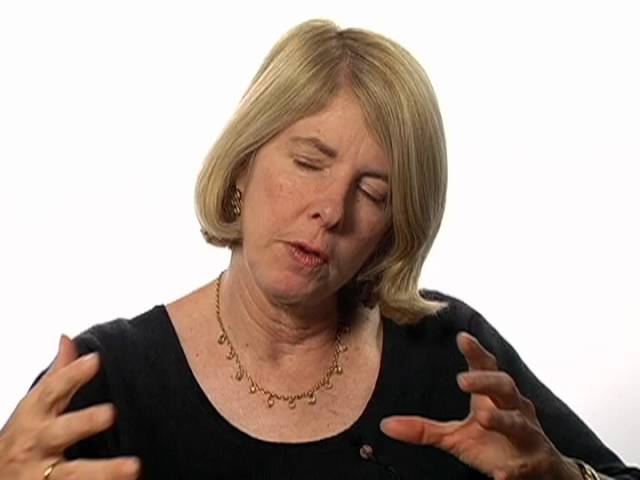
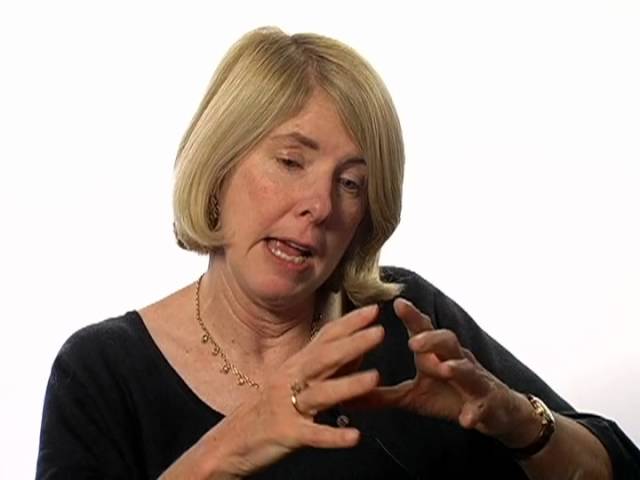
The champion of the 2006 World Series Tournament offers tips on how to recognize patterns behind what your opponent throws out.
----------------------------------------------------------------------------------
Annie Duke:
Annie Duke has leveraged her expertise in the science of smart decision making to excel at pursuits as varied as championship poker to public speaking. For two decades, Annie was one of the top poker players in the world. In 2004, she bested a field of 234 players to win her first World Series of Poker (WSOP) bracelet. The same year, she triumphed in the $2 million winner-take-all, invitation-only WSOP Tournament of Champions. In 2010, she won the prestigious NBC National Heads-Up Poker Championship. Prior to becoming a professional poker player, Annie was awarded the National Science Foundation Fellowship. Thanks to this fellowship, she studied Cognitive Psychology at the University of Pennsylvania.
----------------------------------------------------------------------------------
TRANSCRIPT:
Question: What does it take to win rock, paper, scissors?
Annie Duke: I think I’m terrible at rock, paper, scissors. Now, at that the time, I was really working on the game. I had this period where I decided that I wanted to become a really good rock, paper, scissors player. I have my champions t-shirt. It’s very similar to what you have to do in poker, which is to understand your opponent’s pattern. You should be able to see your opponent’s patterns very quickly because as much as an opponent might think that they’re behaving randomly, they’re not. Unless they are actually using a random number generator to determine their throws, whether they throw rock paper or scissors, there’s always going to be some pattern to what they are doing, and it really has to do with figuring out what they’re pattern is. For example, in the championship match that I won; my opponent had a very strong tendency to throw whatever I had thrown previously. I recognized that pattern, and obviously that’s very easy to beat because I knew what their throw was going to be. It has to do with understanding what your opponent’s throw is going to be.
The other little small piece of advice that I would give you is that people tend to throw rock on their first throw. Throwing paper is usually not a good strategy because they might throw scissors. You should throw rock as well.
The key is, and this is the best piece of advice that I can give you, if you do think that you recognize the pattern from your opponent, it’s good to try to throw a tie as opposed to a win. A tie will very often get you a tie or a win, whereas a win will get you a win or a loss. For example, if you think that someone might throw a rock, it’s good to throw rock back at them. You should be going for ties. That’s actually a really good strategy to win at rock, paper, scissors. There’s my rock, paper, scissors advice for you. I think I’m terrible at the game right now though because I’m not good right now at figuring out other people’s throws. I can’t go for the tie because I just haven’t – I’m so out of practice. I think it’s been like three years since I played it, a lot.
Sentinel Indexing in Progress
Metadata and chapters are available. Claim extraction for this episode is pending.
All video content is delivered via YouTube embedded players in accordance with the YouTube Terms of Service. Sentinel provides research tools that promote discovery and accountability across political media.