Big Think
@bigthink·8.8M subscribers·10.1K videos
What "Sick With Grief" Means | Dr. Katherine Shear | Big Think
Posted
April 24, 2012
Views
1,133
Likes
17
Engagement
1.50%
April 24, 2012
1,133
17
1.50%
Every word spoken in this episode is indexed. Type any phrase to jump straight to the moment it was said.
Type any word or phrase that may have been spoken. Click a result to seek the player to that exact moment.
Try a name, a topic, or a quoted line
Episode Timeline
Every episode in order around the one you’re watching — click any card and the page flips straight to it.
 8:44Now Playing
What "Sick With Grief" Means
New videos DAILY
Join Big Think Edge for exclusive videos
----------------------------------------------------------------------------------
Is grief an illness? When does “normal” grief become clinical? Columbia’s Dr. Katherine Shear shares insights from her groundbreaking research.
----------------------------------------------------------------------------------
Dr. Katherine Shear:
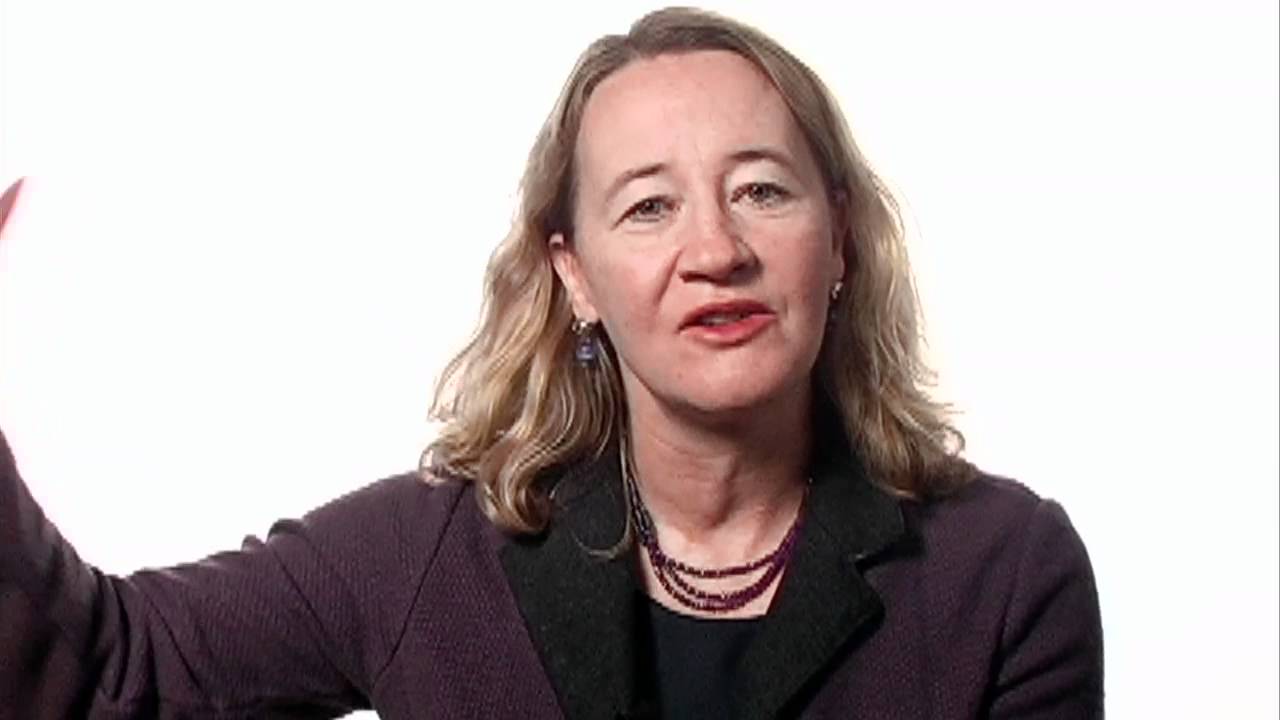
Dr. Katherine Shear is the Marion E. Kenworthy Professor of Psychiatry in Social Work at Columbia University. A graduate of the University of Chicago and Tufts University Medical School, her primary areas of investigation include anxiety disorders, depression, and (most recently) bereavement and grief. Her research has produced a number of widely used clinical assessment tools, including the Panic Disorder Severity Scale and the Generalized Anxiety Disorder Severity Scale. Dr. Shear's groundbreaking grief research was recently featured in the New York Times.
----------------------------------------------------------------------------------
TRANSCRIPT:
Question: Is grief a form of illness?
Dr. Katherine Shear: Right. So grief is the natural healing really response to the loss of something very important. In the work that I've done, it's really always been the death of someone very, very close. And I focus very narrowly on that kind of situation. Grief itself occurs if you lose other things as well. But if you want to talk about grief that occurs after you lose someone very close, grief itself is a very natural reaction. So is inflammation if you get cut, right – that's a very natural reaction. We don't think of natural grief as an illness, primarily because there's so much baggage associated with illness. But some very prominent thinkers and researchers have, in fact, said that we should consider grief similar to inflammation or you could say even an acute infection or something where you have a natural response that's a healing response essentially to some kind of an injury.
And certainly the loss of someone very close is a kind of an injury. I mean, so people that we're very, very close to are just so important in our everyday functioning in so many different ways. So when we lose them, lots of things are disrupted and we do have usually very, very powerful emotions and we become very preoccupied with thinking about the person who died, and really trying to grapple with coming to terms with that takes a lot of emotional and even physical energy. And so in that sense, you know you could say that it's like having the flu or something or maybe where your body has been exposed to something that's not usual and that you're having a natural healing response that's also very disruptive.
So we don't advocate – I wouldn't advocate medical treatment for grief, even though it is a very disruptive state, I think that it's interesting in that in the case of grief, there's not only an internal natural healing response, which I very much think there is, but there's also a social healing response. So, of course, when we know that someone has lost someone, we naturally – certainly if they're someone close to us, we're going to be there for them for quite awhile after the death occurs. But even if they're not that close, we'll often go to the funeral. We'll go and visit them a few times early in their homes, bring them food, take care of them in various ways, certainly not expect them to be taking care of us, even though we might be a guest in their house. All this is very natural. I mean, we don't really hardly need to be taught. I mean, people do it in all kinds of cultures and it's just something we do. And that is, I think, the best way for the healing process of grief to be helped along, not by medical treatment.
Of course, some people don't have that or down the line – or they may, for example, develop a depression, a really full-blown depression. Because grief is not depression; it's different from depression. And so if they do develop depression, they may benefit – they may really need to be treated. And certainly down the line, as I was saying, that down the line, they may kind of their grief healing process may not go the best way. It may get kind of sidetracked or derailed, in which case, we do then want to treat them.
Read the full transcript at
Sentinel Indexing in Progress
Metadata and chapters are available. Claim extraction for this episode is pending.
All video content is delivered via YouTube embedded players in accordance with the YouTube Terms of Service. Sentinel provides research tools that promote discovery and accountability across political media.