Big Think
@bigthink·8.8M subscribers·10.1K videos
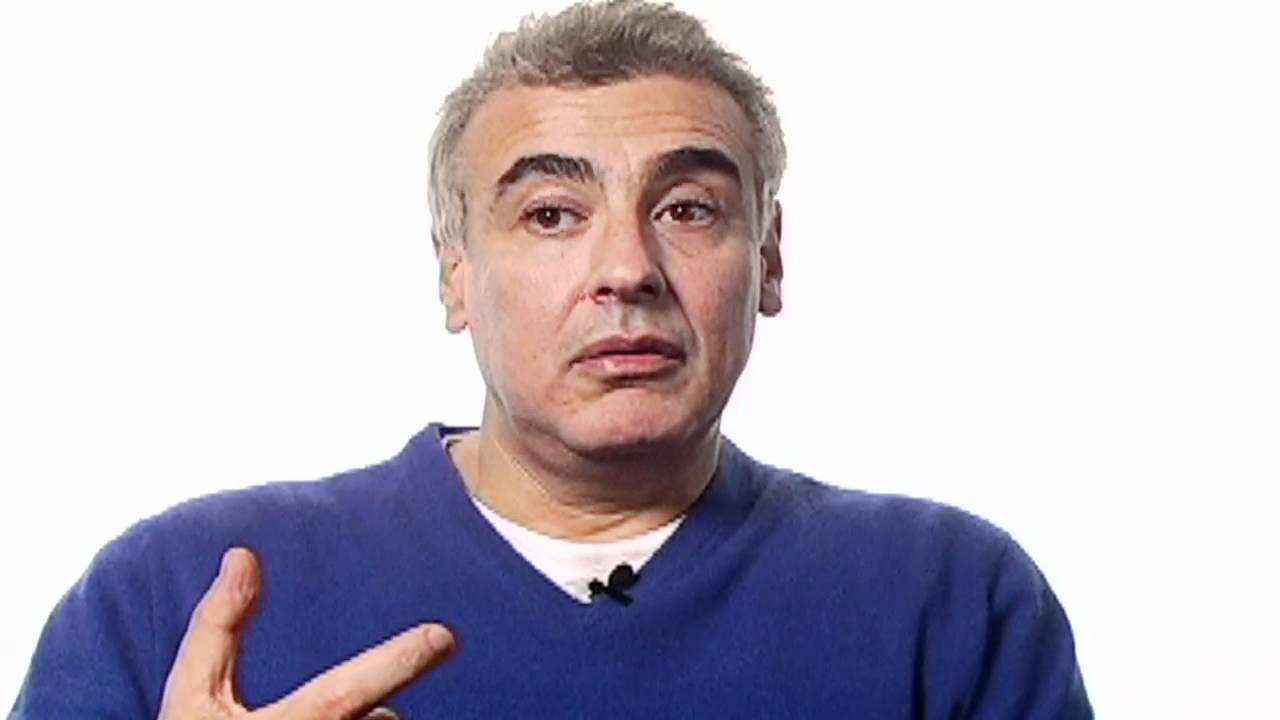
When Large Firms Fail | Marc Lasry | Big Think
Posted
April 24, 2012
Views
467
Likes
1
Engagement
0.21%
April 24, 2012
467
1
0.21%
Every word spoken in this episode is indexed. Type any phrase to jump straight to the moment it was said.
Type any word or phrase that may have been spoken. Click a result to seek the player to that exact moment.
Try a name, a topic, or a quoted line
Episode Timeline
Every episode in order around the one you’re watching — click any card and the page flips straight to it.
 1:19
1:19 4:49Now Playing
When Large Firms Fail
New videos DAILY
Join Big Think Edge for exclusive videos
----------------------------------------------------------------------------------
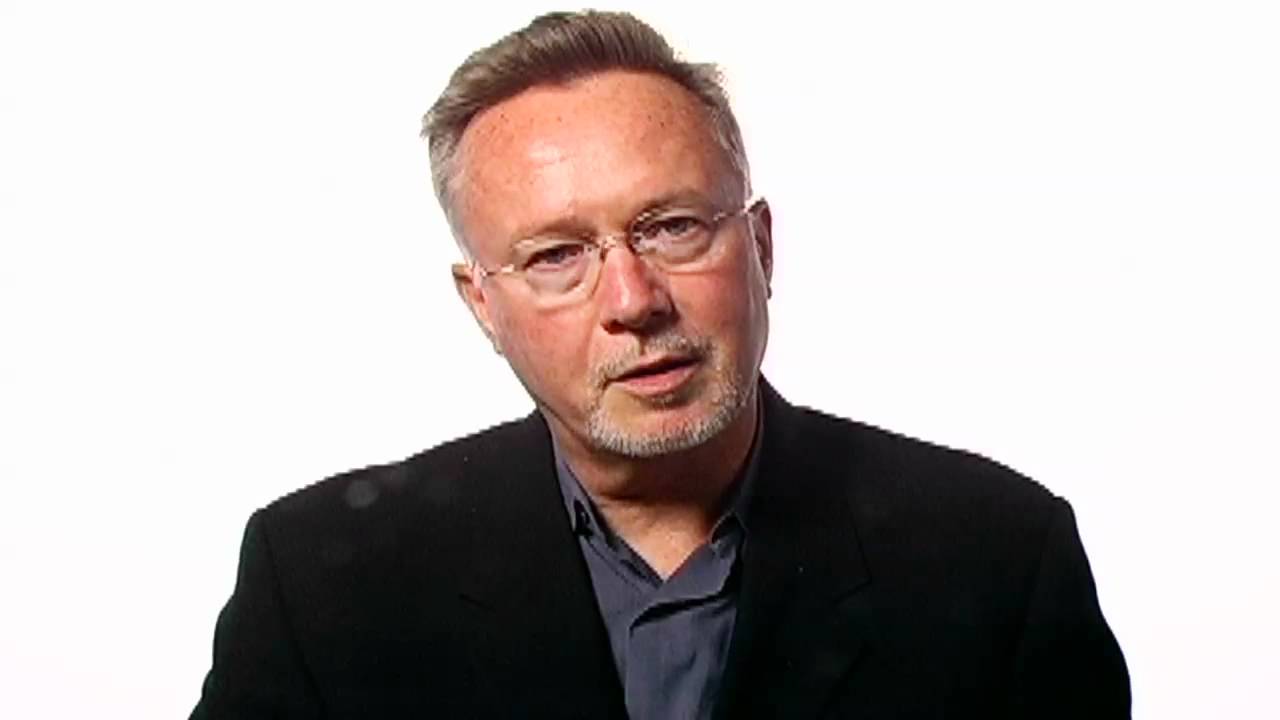
Hedge fund founder Marc Lasry evaluates the government’s handling of the Chrysler bankruptcy and compares this financial crisis to previous ones.
----------------------------------------------------------------------------------
Marc Lasry:
Marc Lasry is one of the pioneers of the distressed securities market, which has been the exclusive focus of his professional career. Marc is a Founder and Managing Partner of Avenue Capital Group, the distressed fund manager with assets totaling over $5 billion.
He is also the Founder and Senior Managing Director of Amroc, one of the largest broker/dealers of distressed securities. Prior to operating Amroc as an independent entity, Marc and Amroc were affiliated with Acadia Partners L.P., an investment partnership whose general partners include Keystone, Inc. (an investment partnership firm that was affiliated with the Robert M. Bass Group), American Express Company, and the Equitable Life Assurance Society of America.
Marc previously was Co-Director of the Bankruptcy and Corporate Reorganization Department at Cowen & Company. Prior to that time, he served as Director of the Private Debt Department at Smith Vasiliou Management Company.
----------------------------------------------------------------------------------
TRANSCRIPT:
Question: Given your history of investing in distressed debt, how is this crisis different from previous crises?
Marc Lasry: I think the biggest difference in any of those crises, it was never an issue of whether the banking system could fail. It was always really a question of what was going on with that particular situation, and nobody was worried that the system as a whole wouldn't be there. That was the biggest difference, so I think in this crisis it became a very binary bet. Was the banking system going to be around, or would the banking system fail? So I think the government did everything they could to make sure it didn't. And I actually think they were exceptionally successful in that, because right now what everybody's arguing about is, how long is it going to take for recovery? Nobody's arguing as to whether we're going to fail or not. So I think because of that, it was actually extremely different. And when you look, whether it was the Asian crisis or some of the other crises we've had, the question was -- you got very quickly to how long was the recovery -- you know, how long would it take for things to recover? You didn't go through a period, which we went through in this crisis, of would the system still be around?
Question: What are your predictions for the near to intermediate term?
Marc Lasry: I think for over the course of the next two or three years, in our opinion, GDP will be kind of flat; maybe it's up a little bit. But there isn't going to be as much liquidity as there used to be, and you have about $1 trillion of debt that's coming due over the next three to four years. So I think what you're going to find is, there's still going to be a huge amount of opportunities over the course of the next two to four years.
I think our biggest concern is really what's going to be the driver for the economy. I think there's a belief that it's got to be through consumer spending, and our view is that consumers are spending less. So I think when we look at 2010, we're trying to figure out what's going to drive this economy. And I think we're a little bit nervous if everybody's relying on the consumer.
Question: Have you seen more or less foreign investment in hedge funds since the crisis? (Dan Indiviglio, The Atlantic Business Channel)
Marc Lasry: I think there's probably been less, and the reason there's been less is, there's been a lot of capital that's been taken out. I think this year -- well, maybe next year you'll start seeing the capital start coming back in, because as people have gotten comfortable that there's no longer any systemic risk to the system, then they'll start reinvesting. And I think also there's just less leverage out there.
Question: How should the government have better handled the Chrysler bankruptcy?
Marc Lasry: I don't know that they should have done anything differently. It’s sort of what the reality was. And I think the government -- what they ended up doing was probably the best thing for the country. So as a creditor you may not have been excited about that, because I think a number of creditors got hurt, but they were the ones putting in the money.
Read the full transcript at
Sentinel Indexing in Progress
Metadata and chapters are available. Claim extraction for this episode is pending.
All video content is delivered via YouTube embedded players in accordance with the YouTube Terms of Service. Sentinel provides research tools that promote discovery and accountability across political media.