Big Think
@bigthink·8.8M subscribers·10.1K videos
Vertical Farming Explained, with Dickson Despommier | Big Think
Posted
May 20, 2014
Views
121,772
Likes
1,175
Comments
117
Engagement
1.06%
May 20, 2014
121,772
1,175
117
1.06%
Every word spoken in this episode is indexed. Type any phrase to jump straight to the moment it was said.
Type any word or phrase that may have been spoken. Click a result to seek the player to that exact moment.
Try a name, a topic, or a quoted line
 6:16Now Playing
Vertical Farming Explained, with Dickson Despommier
Watch the newest video from Big Think
Join Big Think Edge for exclusive videos
----------------------------------------------------------------------------------
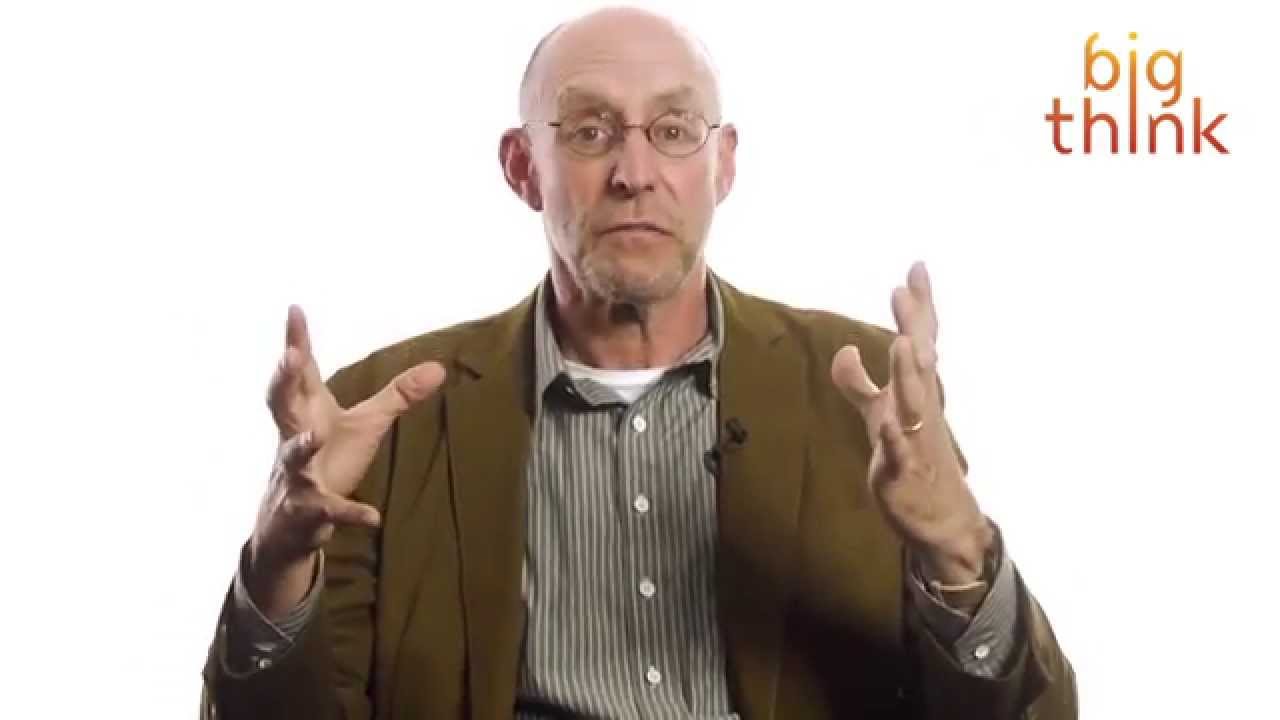
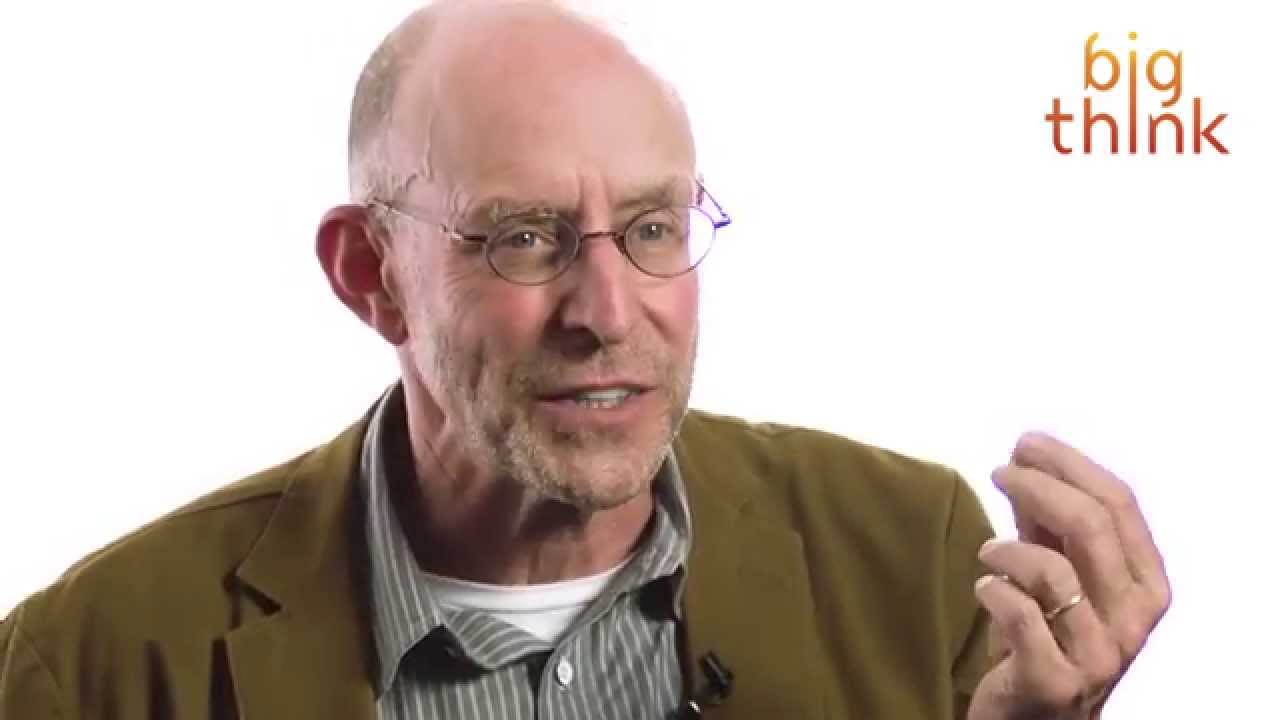
Dickson Despommier on how vertical farming can help us meet the challenges of feeding a growing global population.
----------------------------------------------------------------------------------
DICKSON DESPOMMIER:
I am a microbiologist/ecologist by training, and for 27 years I conducted laboratory-based research on molecular aspects of intracellular parasitism funded by NIH. I also teach courses in the medical school and in our school of public health (e.g., Parasitic Diseases; Medical Ecology; Ecology 101). Many of them deal with parasitism and its effects on large segments of the poor that live in the tropics. Controlling soil-based transmission cycles of helminthes that cause significant health problems throughout the world is of prime importance to me.
I left the lab in favor of working on more globally relevant projects that address some these important problems. Since it is generally agreed agriculture is solely responsible for so much environmental disturbance and serves as the interface for the transmission of geohelminths, one area of focus of mine has been on how to raise food without further encroachment into natural ecosystems.
I have established The Vertical Farm as a theoretical construct to look at the possibility of agricultural sustainability within cities. The idea grew out of a class project to measure the effects of rooftop gardening in New York City on reducing the dome of heat that develops over us each year. From that original idea, I expanded the concept to include urban agriculture and finally to multi-story indoor farming. I have given this project to my students in my course, "Medical Ecology."
----------------------------------------------------------------------------------
TRANSCRIPT:
Dickson Despommier: As of this moment WHO and the population counsel estimate that about 50 percent of us live in cities. And the other half, of course, lives somewhere else. The other thing we can learn from NASA of all places is how much land those seven billion people, half urban, half rural, actually need to produce their food every year. And it turns out to be a size of South America. So the size of South America in land mass is used just to grow our crops that we plant and harvest. I’m not talking about the herbivores like the cows and the goats and the sheep.
So when you think about how much food is consumed by cities, let’s say half, it takes half of the size of South America just to produce it. Now if the human population continues to increase, which we expect it will – so over the next 40 years you might have three billion more people to feed. And you look around for the land where that’s gonna come from in terms of traditional farms and you don’t find it. It isn’t there. So the biggest problem facing us as a global species is where will the food for the next three billion people come from? So it could from someplace other than a traditional farm and the question is, could vertical farming solve that problem. So by vertical farming and a vertical farm I mean any building that grows food inside of it or in which you grow food which is taller than a single story.
There are many examples of vertical farms out there which are not traditionally thought of as towering gardens of Eden so to speak as the images on Google might suggest from some of the planners and designers that have submitted their own visions of what they think a vertical farm should look like. Most of those would satisfy the cover of any science fiction magazine I could think of and attract a lot of attention and get people to ask, well, what is that building and what is it doing? But we’re not pretty close to seeing those yet. I think those are gonna be expensive and they’re gonna take a lot of rethinking with regards to urban planning. But we don’t have to do that in order to have vertical farms already.
There’s a vertical farm in Singapore. It’s a brand new building. It looks like a greenhouse from the outside, but it’s four stories tall. But it’s a clever design. It uses traditional growing systems though. It uses soil based potted plants on a series of conveyor belts which migrates the plants by gravity – some kind of a grandfather clock like apparatus which actually moves this conveyor belt of plants near the windows maybe once or twice an hour so that every plant gets the same amount of sunlight during the day at least. Because it rains every day there’s certainly no shortage of water for these plants either, and [they] use traditional fertilizer. And the guy has moved from a 2,000 square foot operation to a 20,000 square foot...
Read the full transcript at
Sentinel Indexing in Progress
Metadata and chapters are available. Claim extraction for this episode is pending.
All video content is delivered via YouTube embedded players in accordance with the YouTube Terms of Service. Sentinel provides research tools that promote discovery and accountability across political media.