Big Think
@bigthink·8.8M subscribers·10.1K videos
The Three Main Goals for Preventing Nuclear Disaster, with Eric Schlosser | Big Think
Posted
March 9, 2015
Views
15,477
Likes
413
Comments
70
Engagement
March 9, 2015
15,477
413
70
3.12%
Every word spoken in this episode is indexed. Type any phrase to jump straight to the moment it was said.
Type any word or phrase that may have been spoken. Click a result to seek the player to that exact moment.
Try a name, a topic, or a quoted line
 3:03Now Playing
The Three Main Goals for Preventing Nuclear Disaster,
Watch the newest video from Big Think
Join Big Think Edge for exclusive videos
----------------------------------------------------------------------------------
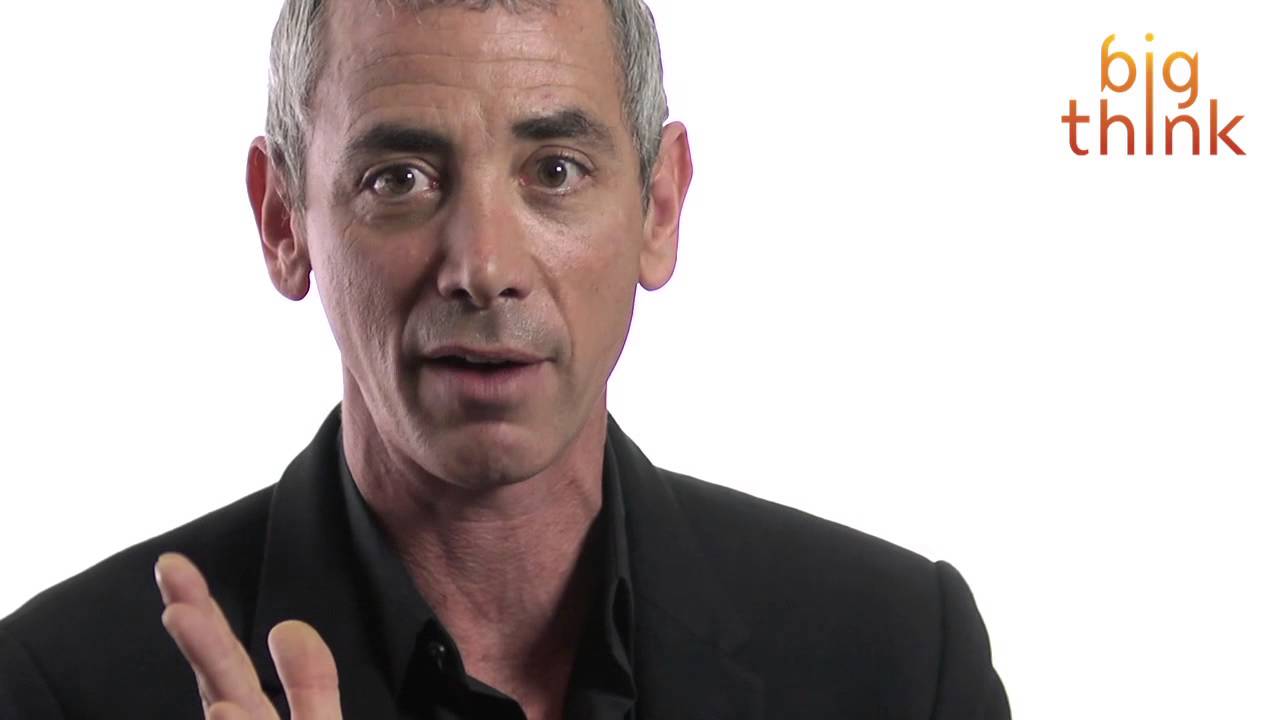
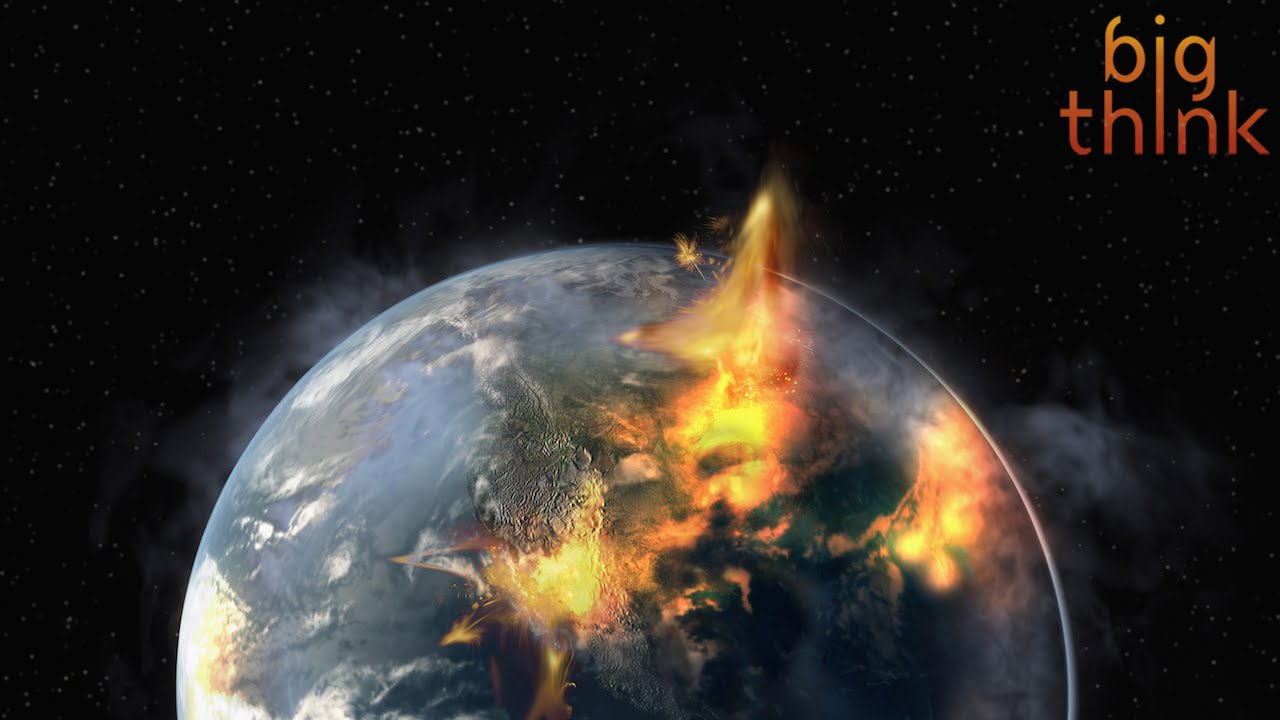
Author Eric Schlosser discusses what he's learned after writing, publishing, and touring for his book Command and Control, which outlines the many inherent risks associated with nuclear weapons. There is an illusion of safety, says Schlosser, but that doesn't necessarily mean we're doomed. What's most important is that we focus on three main goals. First, reduce the number of nuclear weapons in the world. Second, prevent new governments from obtaining nuclear weapons. Third, lock away all the bomb-grade plutonium and uranium in the world to keep it out of terrorists' hands.
----------------------------------------------------------------------------------
ERIC SCHLOSSER:
Eric Schlosser is an American author known for his investigative journalism. His books include "Fast Food Nation," "Reefer Madness," "Chew On This," and "Command and Control."
----------------------------------------------------------------------------------
TRANSCRIPT:
Eric Schlosser: You know, I spent six years researching and writing this book on nuclear weapons and now I’ve spent almost a year talking about the book, going to international meetings, meeting with government officials about these issues and it has not left me feeling apocalyptic. I don’t feel doomed. I don’t feel depressed. I’m not medicated, but here’s what it’s left me feeling. Deeply concerned. I don’t think there’s anything inevitable about a nuclear disaster, about a nuclear catastrophe, but it’s absolutely urgent that we be aware of these risks and then we take, you know, basic steps to reduce the danger. And that’s one of the reasons that I wrote the book. That’s one of the reasons I’m still speaking about it a year later. And if I felt that we were doomed and I felt that there was nothing that could be done about this problem, there are a lot more entertaining things that I could be doing with my time.
So there are very simple things that we need to push for that will greatly reduce the risk — as long as these nuclear weapons exist in the world fully assembled, they’re going to present the danger of mass murder. It’s just that simple. But what we can do is reduce the number of nuclear weapons in the world. That’s hugely important. We can prevent other countries from getting nuclear weapons and the last step is we need to lock up all the bomb-grade uranium and plutonium in the world to prevent terrorists from getting a hold of it, stealing it, and making nuclear weapons. President Obama has spoken of a vision of a world without nuclear weapons, abolishing nuclear weapons and I support that as well. It was the policy of Ronald Reagan, President Kennedy, all the way back to President Truman. So someday I hope that will happen but before that day comes we really, really need a public debate and discussion on these issues and we need to do everything we can in taking concrete steps to reduce this danger.
There’s a natural kind of instinct to just get into bed, pull the sheets over the head, and not deal with this or dig a bunker and, you know, install high-speed internet, and protect yourself from it. But there’s all kinds of ways that ordinary people can get engaged in this issue, get active on this issue, and make change. The two greatest dangers that we face in this country, existential dangers, are climate change and nuclear weapons. And the thing about climate change is, you know, maybe it can be reversed. Maybe the harms can be, you know, reduced. But the detonation of a nuclear weapon is going to be instantaneous and it’s going to be irreversible. And so that’s something that I think we really need to be focusing on as well as climate change.
Author Eric Schlosser discusses what he's learned after writing, publishing, and touring for his book Command and Control, which outlines the many inherent risks associated with nuclear weapons. There is an illusion of safety, says Schlosser, but that doesn't necessarily mean we're doomed. What's most important is that we focus on three main goals. First, reduce the number of nuclear weapons in the world. Second, prevent new governments from obtaining nuclear weapons. Third, lock away all the bomb-grade plutonium and uranium in the world to keep it out of terrorists' hands.
Sentinel Indexing in Progress
Metadata and chapters are available. Claim extraction for this episode is pending.
All video content is delivered via YouTube embedded players in accordance with the YouTube Terms of Service. Sentinel provides research tools that promote discovery and accountability across political media.