Big Think
@bigthink·8.8M subscribers·10.1K videos
"Hey Bill Nye, What is the Evolutionary Benefit of Infatuation?" #tuesdayswithbill | Big Think
Posted
November 24, 2015
Views
81,435
Likes
1,300
Comments
106
Engagement
November 24, 2015
81,435
1,300
106
1.73%
Every word spoken in this episode is indexed. Type any phrase to jump straight to the moment it was said.
Type any word or phrase that may have been spoken. Click a result to seek the player to that exact moment.
Try a name, a topic, or a quoted line
See what was published immediately before and after this episode.
 3:16Now Playing
What is the Evolutionary Benefit of Infatuation?" #tuesdayswithbill
Watch the newest video from Big Think
Join Big Think Edge for exclusive videos
----------------------------------------------------------------------------------
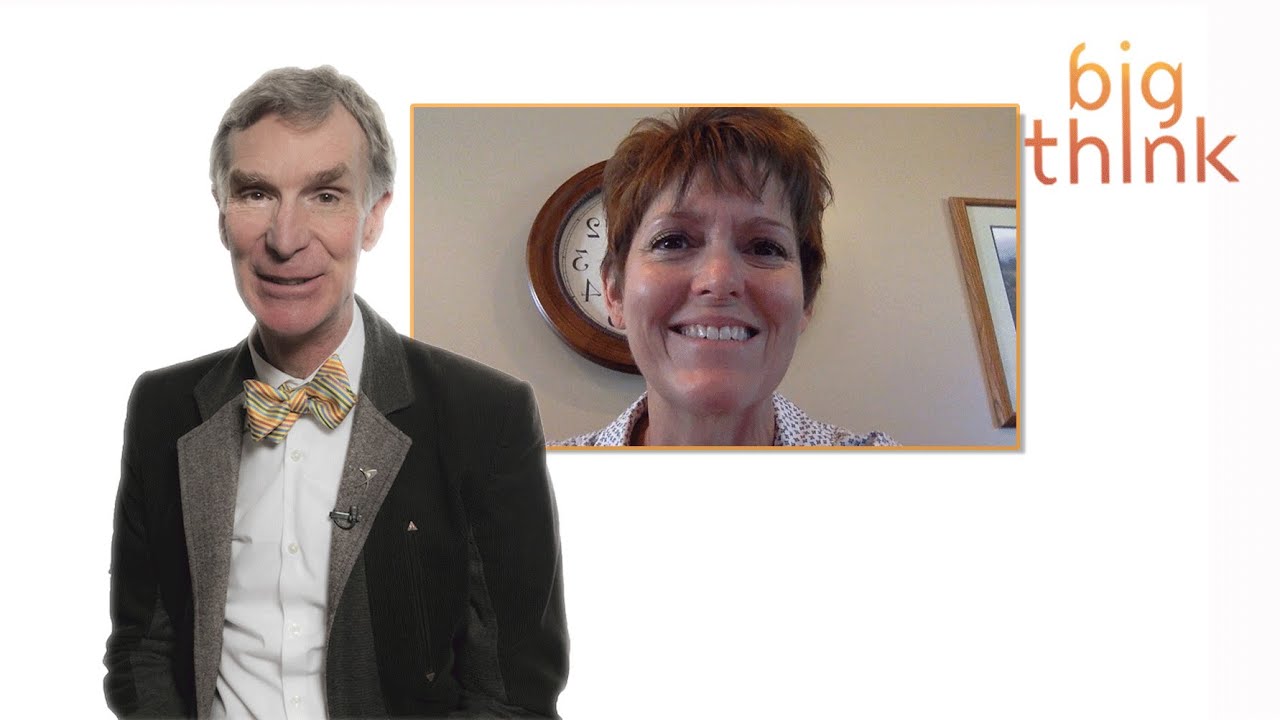
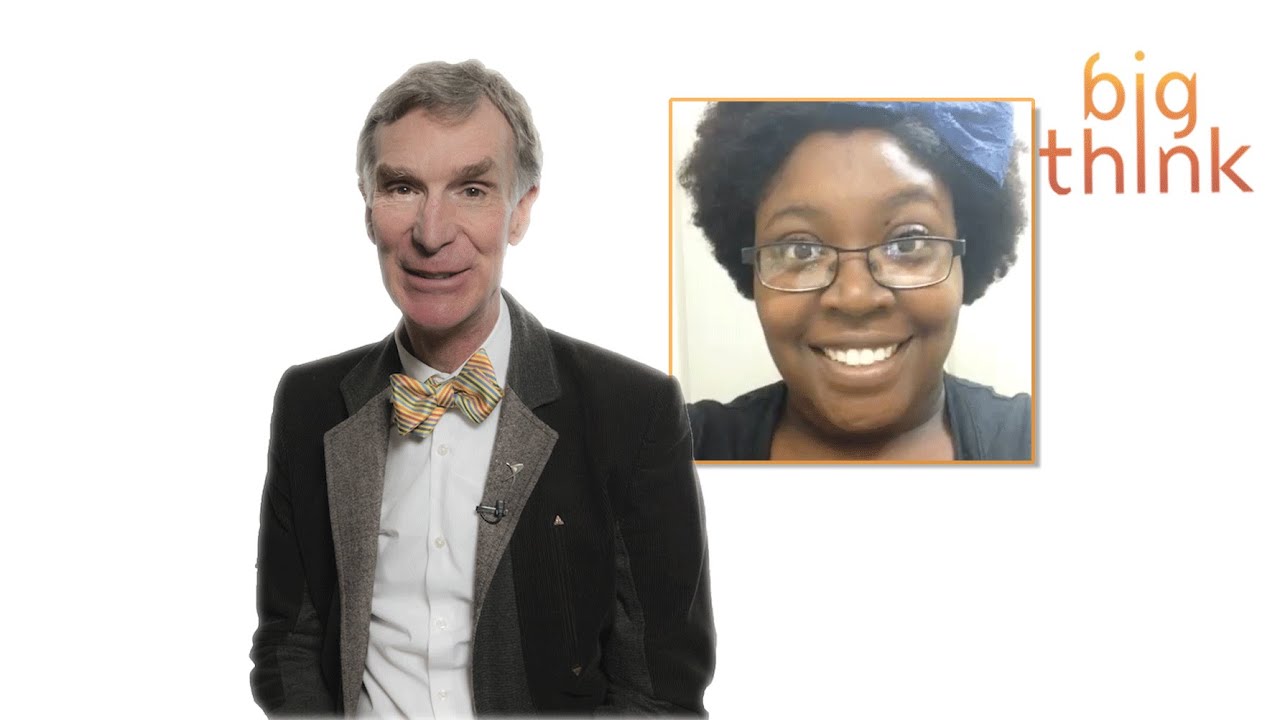
Diamond Jackson from Corpus Christi, Texas, asks Bill all about the evolutionary backstory behind infatuation. Why do we fall in "love" at first sight? The Science Guy presents the idea that we're still physically conditioned to want to pass on our genetic material as quickly as possible. Thus, infatuation is a leftover facet of old caveman living when predators roamed everywhere, threatening your genetic line. So infatuation was (and continues to be) a tool for encouraging folks to get busy.
----------------------------------------------------------------------------------
BILL NYE, THE SCIENCE GUY:
Bill Nye, scientist, engineer, comedian, author, and inventor, is a man with a mission: to help foster a scientifically literate society, to help people everywhere understand and appreciate the science that makes our world work. Making science entertaining and accessible is something Bill has been doing most of his life. In Seattle Nye began to combine his love of science with his flair for comedy, when he won the Steve Martin look-alike contest and developed dual careers as an engineer by day and a stand-up comic by night. Nye then quit his day engineering day job and made the transition to a night job as a comedy writer and performer on Seattle's home-grown ensemble comedy show “Almost Live." This is where “Bill Nye the Science Guy®" was born. The show appeared before Saturday Night Live and later on Comedy Central, originating at KING-TV, Seattle's NBC affiliate. While working on the Science Guy show, Nye won seven national Emmy Awards for writing, performing, and producing. The show won 18 Emmys in five years. In between creating the shows, he wrote five children's books about science, including his latest title, “Bill Nye's Great Big Book of Tiny Germs." Nye is the host of three currently-running television series. “The 100 Greatest Discoveries" airs on the Science Channel. “The Eyes of Nye" airs on PBS stations across the country. Bill's latest project is hosting a show on Planet Green called “Stuff Happens." It's about environmentally responsible choices that consumers can make as they go about their day and their shopping. Also, you'll see Nye in his good-natured rivalry with his neighbor Ed Begley. They compete to see who can save the most energy and produce the smallest carbon footprint. Nye has 4,000 watts of solar power and a solar-boosted hot water system. There's also the low water use garden and underground watering system. It's fun for him; he's an engineer with an energy conservation hobby. Nye is currently the Executive Director of The Planetary Society, the world's largest space interest organization.
----------------------------------------------------------------------------------
TRANSCRIPT:
Diamond Jackson: Hi Bill. My name is Diamond Jackson. I attend Texas A&M Corpus Christi and you’ll be coming to visit us in October here. I’m so excited for that. My question for you is what is the evolutionary benefit of infatuation and is it more physical or is it more emotional? So if you can give me that information, I would be so excited.
Bill Nye: Diamond, yes. Diamond, that’s a fabulous question. What’s the value of infatuation? Well what’s the difference between infatuation and love at first sight? And there’s just fabulous studies that have been done. We humans agonize over the small decisions. What pencil sharpener should I get? Should I buy this pair of shoes at this price or that pair of shoes at that price? But when it comes to selecting a mate — these big decisions — apparently you make them like that. These big decisions you make very quickly. You pick up so much information very fast that you can use that to direct the rest of your life. So the thing about infatuation, as I understand it, is it can be replaced by another one. Like you’re infatuated with this guy or gal and then somebody else comes along and you get infatuated with her or him. But you probably would have had genetic success with the first one. There was something about him or her that was really appealing.
By genetic success, Diamond, we're talking about having kids and raising a family. Now you will meet a lot of people who are a result of infatuational — if I can coin that adjective — relationships, people that have love at first sight and they got married. You meet that all the time. Las Vegas has a whole industry based on people that meet each other and get married. And get divorced.......
To read the transcript, please go to
Sentinel Indexing in Progress
Metadata and chapters are available. Claim extraction for this episode is pending.
All video content is delivered via YouTube embedded players in accordance with the YouTube Terms of Service. Sentinel provides research tools that promote discovery and accountability across political media.