Big Think
@bigthink·8.8M subscribers·10.1K videos
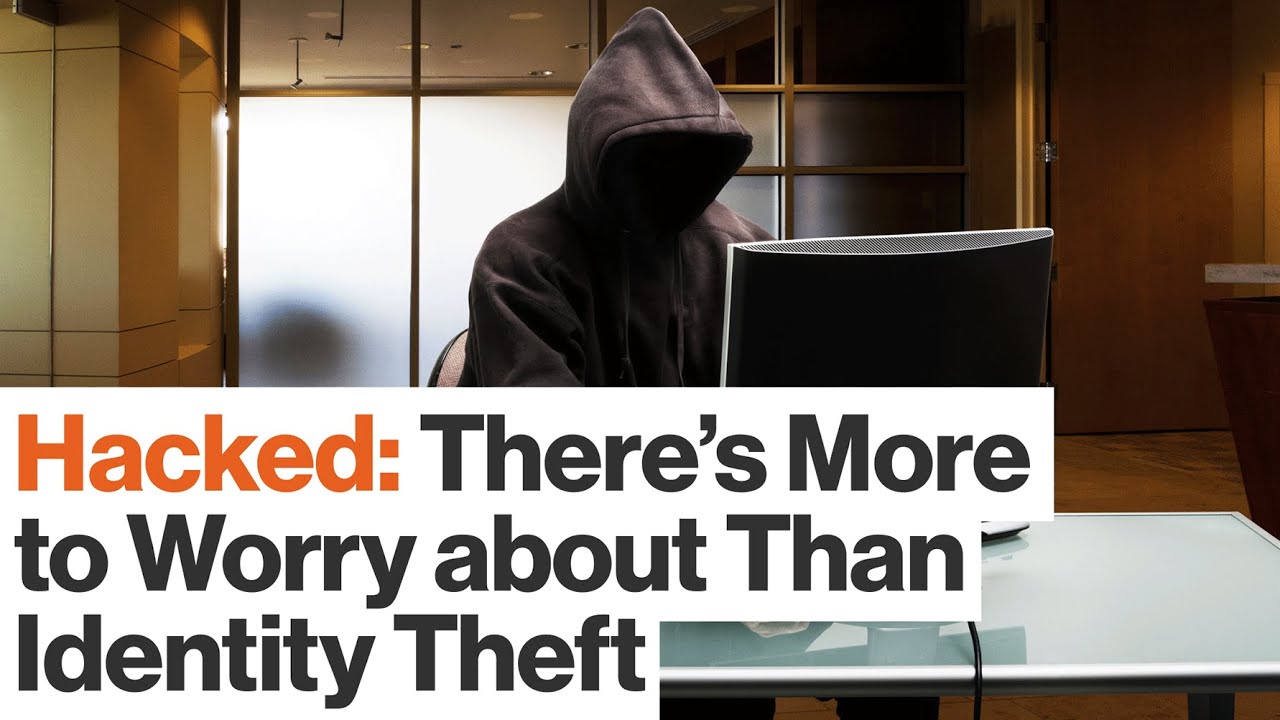
Cybercrime: Hacking Goes Way Beyond Simple Identity Theft | Marc Goodman | Big Think
Posted
September 3, 2016
Views
33,926
Likes
700
Comments
99
Engagement
September 3, 2016
33,926
700
99
2.36%
Every word spoken in this episode is indexed. Type any phrase to jump straight to the moment it was said.
Type any word or phrase that may have been spoken. Click a result to seek the player to that exact moment.
Try a name, a topic, or a quoted line
 4:19Now Playing
Cybercrime: Hacking Goes Way Beyond Simple Identity Theft
Watch the newest video from Big Think
Join Big Think Edge for exclusive videos
----------------------------------------------------------------------------------
Do you know how your iPhone works? Because cybercriminals do. Futurist and global security advisor Marc Goodman explains how our void in tech knowledge lets hackers have a field day, and how to make yourself less vulnerable.You might have thumbs of lightning that can Snapchat, text, tweak phone settings and fire up Facetime all within 60 seconds (while shooting finger guns to yourself in the mirror for being such a tech boss), but do you know how exactly your iPhone works? Chances are you don’t know what’s going on under the hood of your gadgets.
Welcome to the Age of Entanglement. Devices have become so complex that they have surpassed the ordinary person’s understanding – or more accurately surpassed their curiosity.
Recently there has been a series of airline system outages, like Delta last month for example, that have grounded flights and backlogged them for days. No one at Delta knew, or still knows, what exactly went wrong. The company’s system is so cobbled together with various technology that no single person fully understands it. Figuring out where the problem occurred would be an investigative nightmare.
We can scorn Delta, but on a personal level we are all guilty. Do you know how your tablet works? How your laptop and modem work? What is a router? How does the internet operate? Even the concepts that we all take for granted, like photography, are steeped in mystery. We’re all proficient users, but our tech comprehension is low, low, low.
But some people do understand. Scientists, programmers, inventors, technicians, hobbyists. And criminals, says Marc Goodman, a global security advisor and futurist. Goodman says that technology can be used against us in ways we don’t understand, and it’s our cluelessness that makes it possible. Criminals take the time to learn, to deconstruct devices and to educate themselves so they can hack the system. We often fret about identity theft, card scamming, private photo access, but Goodman – bless his cotton socks – highlights and entire laundry list of things criminals (and governments) can do.
Did you know hackers can track your physical location? They can remotely turn your device’s microphone and camera on and off without you knowing. They can commandeer your entire device while it’s idle or in your pocket. You’ll never know. If you leave your laptop open, they can activate your camera, take photos of you in your own home, in bed, or out of the shower, which is what happened to 16-year-old Cassidy Wolf, Miss Teen America, who was then blackmailed for sex (don’t worry, she did the smart thing and told her parents, and the FBI took it from there).
Goodman recommends that each of us work on our curiosity about technology and not accept our luxuries as ‘magic’ that just does it’s special thing. Get more informed about how devices work, how they can be tinkered with, and take simple precautions to protect yourself from cybercrime. As a byproduct, you may also become more grateful for the incredible technology at hand and not throw a Veruca Salt-style tantrum when things don’t work this very second. There’s a lot going on behind the scenes. Learn and appreciate it.
----------------------------------------------------------------------------------
MARC GOODMAN :
Marc Goodman is focused on the disruptive impact of advancing technologies on security, business, and international affairs. He has spent a career in law enforcement and technology. He was appointed futurist-in-residence with the FBI, worked as a senior adviser to Interpol, and served as a street police officer. As the founder of the Future Crimes Institute and the Chair for Policy, Law, and Ethics at Silicon Valley's Singularity University, he continues to investigate the intriguing and often terrifying intersection of science and security, uncovering nascent threats and combating the darker sides of technology.
----------------------------------------------------------------------------------
TRANSCRIPT :
Marc Goodman: Technology can be used against us in ways that we don’t understand. Most people in our modern society have become expert users of technology but they have no idea how things operate under the hood. This is true of all generations, particularly with millennials. People think millennials are great with tech and it’s true they’re expert users. But when it comes to understanding the science of technology, the computer and science and the electrical engineering that goes into making a particular app work most people are clueless.
Read the full transcript at
Sentinel Indexing in Progress
Metadata and chapters are available. Claim extraction for this episode is pending.
All video content is delivered via YouTube embedded players in accordance with the YouTube Terms of Service. Sentinel provides research tools that promote discovery and accountability across political media.