Big Think
@bigthink·8.8M subscribers·10.1K videos
How Your Amazing Brain Tells Time: Circadian Watch, Pattern Pendulum, & Tempo Timer | Dean Buonomano
Posted
August 27, 2017
Views
26,030
Likes
647
Comments
41
Engagement
August 27, 2017
26,030
647
41
2.64%
Every word spoken in this episode is indexed. Type any phrase to jump straight to the moment it was said.
Type any word or phrase that may have been spoken. Click a result to seek the player to that exact moment.
Try a name, a topic, or a quoted line
 4:35Now Playing
One Type of Job That AI, Robots, and Machines Can't Actually Automate
Watch the newest video from Big Think
Join Big Think Edge for exclusive videos
----------------------------------------------------------------------------------
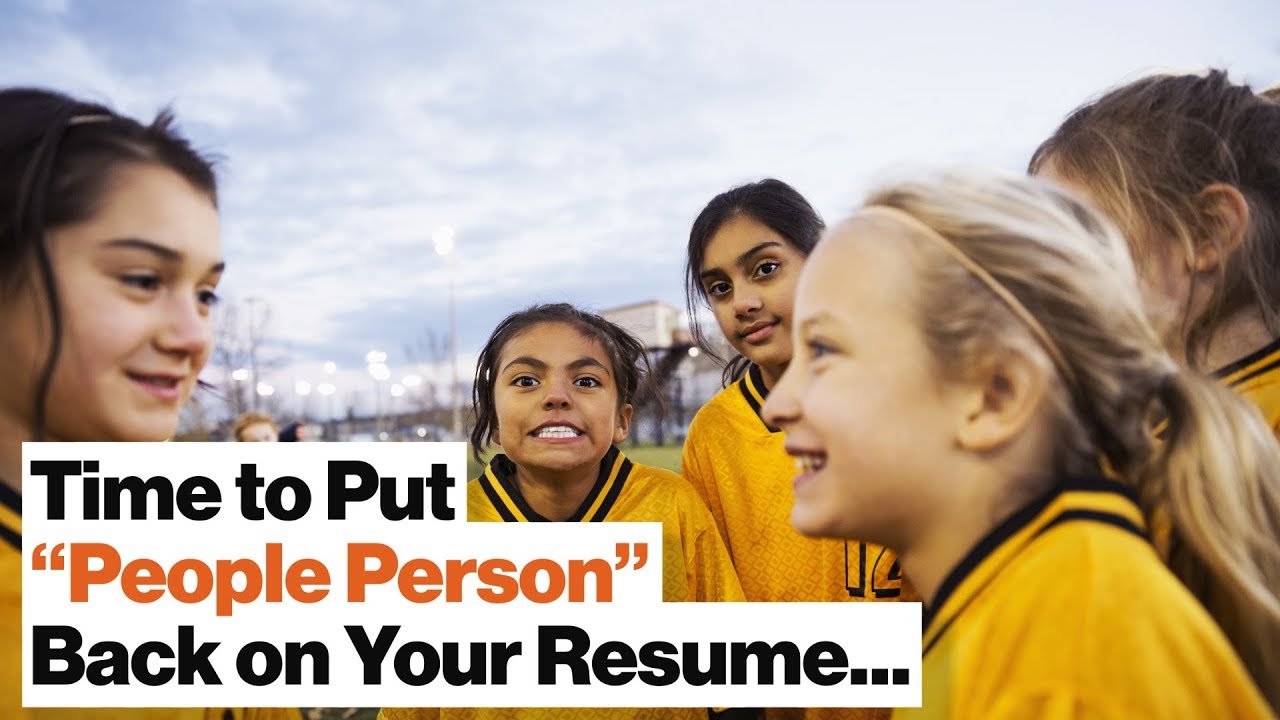
Artificial intelligence is coming. And it's coming for our jobs (really). Truck drivers. Construction workers. Doctors. Even 39% of the legal aid workforce is set to be AI by 2020, according to Forbes. But there's a certain sector... and more importantly a certain skill... that robots and AI can never learn: how to inspire. Andrew McAfee uses the example of a girl's soccer team, positing that it will take robots a truly staggering amount of computing power for AI to even understand what rivalry is, let alone the intricacies of interpersonal communication required to lead a team to do their best work. It's a great watch, so click play and sit back.
Andrew McAfee's latest book is Machine, Platform, Crowd: Harnessing Our Digital Future.
----------------------------------------------------------------------------------
ANDREW MCAFEE:
Andrew McAfee is the associate director of the Center for Digital Business at the MIT Sloan School of Management, studying the ways information technology (IT) affects businesses and business as a whole. Along with Erik Brynjolfsson, he is the author of Race Against the Machine and The Second Machine Age.
McAfee studies the ways that information technology (IT) affects businesses and business as a whole. His research investigates how IT changes the way companies perform, organize themselves, and compete. At a higher level, his work also investigates how computerization affects competition, society, the economy, and the workforce.
----------------------------------------------------------------------------------
TRANSCRIPT:
Andrew McAfee: My coauthor Erik Brynjolfsson and I are both at MIT, and we have a colleague at MIT who said something that really helps me understand some of the last human work that I think is ever going to be automated by even really sophisticated technology.
Our colleagues name is Deb Roy. He's at the media lab. And he points out that we humans are incredibly deeply social creatures, we're just a social species. And you say okay so what? So are ants, so are honeybees, so are chimpanzees.
Deb's point is that the nature of human social interaction involves some really deeply rooted social drives that don't appear to be present in any other animal. We came across a great quote when we were writing Machine Platform Crowd from a sociologist or a primatologist who said, “Look, you will never, ever see two chimpanzees carrying a log." That notion of cooperation is absent from even our closest nonhuman relatives.
So that gives me a whole new way to think about the kind of work that's most innately deeply human, it's the work that taps into our social drives. And those drives are both positive—there’s solidarity and pride and compassion for other human beings—and they're negative—they can be envy, they can be shame, they can be jealousy, they can be antipathy towards some kind of other group out there—but we have these drives they are very, very deep, they're very strong and they're kind of hard to fool with technology.
So there are a lot of jobs out there that tap into, that makes use of, that try to harness those social drives. And one of my favorite examples of a job that we don't think of as this incredibly elite job or this incredibly prestigious job but a job that is very unlikely, I believe, to be replaced by technology anytime soon is just a girl's soccer coach.
And that girl's soccer coach may or may not be a strategic genius about the game of soccer, but what that person can do, if they're any good at their job, they can motivate a group of girls to come together to overcome rivalries and jealousies and different kinds of pettiness and play together as a team. They can teach the value of some of those social drives like solidarity. They can help some girls who are natural leaders but might be going through a difficult period in their lives get past that and assume the roles that they're going to be good at. They can just deal in this incredibly rich mix of social things that are going on.
Let's say we could build a computer that could figure out all the different social things that are happening among a group of twenty-five 12-year-old girls. I think that computer is actually a long way off, but let's say we can even build that computer.
For the full transcript, check out
Sentinel Indexing in Progress
Metadata and chapters are available. Claim extraction for this episode is pending.
All video content is delivered via YouTube embedded players in accordance with the YouTube Terms of Service. Sentinel provides research tools that promote discovery and accountability across political media.