Big Think
@bigthink·8.8M subscribers·10.1K videos
The Black List: The incredible innovation that led to 48 Oscar wins | Big Think
Posted
February 8, 2018
Views
14,658
Likes
352
Comments
45
Engagement
2.71%
February 8, 2018
14,658
352
45
2.71%
Every word spoken in this episode is indexed. Type any phrase to jump straight to the moment it was said.
Type any word or phrase that may have been spoken. Click a result to seek the player to that exact moment.
Try a name, a topic, or a quoted line
 5:04Now Playing
The Black List: The incredible innovation that led to 48 Oscar wins
New videos DAILY
Join Big Think Edge for exclusive video lessons from top thinkers and doers
----------------------------------------------------------------------------------
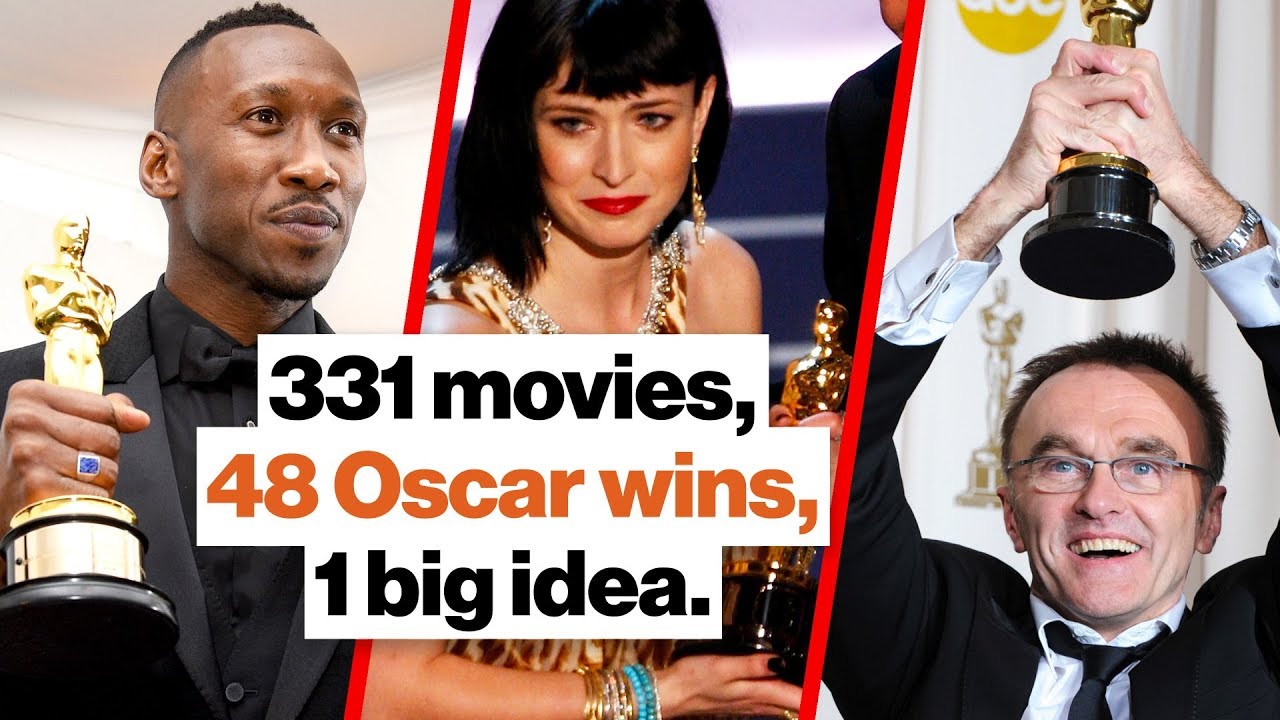
Can't watch another generic Hollywood film? Here, marketing expert Nilofer Merchant tells the incredible story of former data analyst Franklin Leonard who shook up the repetitive Hollywood formula with a single innovation: The Black List. In 2005, when Leonard was working as a development executive for a film production company and lamenting the same-old, same-old scripts that were being turned into movies, he came up with the idea to email 75 fellow producers to get a list of the scripts they absolutely loved that year, but that were skipped over for production. From that annual list of rejects come films like Moonlight, Juno, The Revenant, Argo, American Hustle, Slumdog Millionaire, The Descendants. Sound familiar? That's because they're all Oscar winners. The 331 films from The Black List that have been produced to date have led to 241 Academy Award nominations and 48 subsequent Oscar wins. Merchant lays this out as a practical lesson in innovation: what can you or your company gain by inviting ideas in from innovators on the fringe? What happens when you stop asking, "How can we make money?" and start asking people, "What do you love?" Nilofer Merchant is the author of The Power of Onlyness: Make Your Wild Ideas Mighty Enough to Dent the World.
----------------------------------------------------------------------------------
NILOFER MERCHANT:
Nilofer Merchant is a marketing expert who has personally launched more than 100 products, netting $18 billion in sales. She has worked for companies ranging from Apple to Autodesk and advises many others. Her 2013 TED Talk “Sitting Is the Smoking of Our Generation,” is in the top 10 percent of TED’s most viewed talks. Merchant is the author of The Power of Onlyness: Make Your Wild Ideas Mighty Enough to Dent the World.
----------------------------------------------------------------------------------
TRANSCRIPT:
Nilofer Merchant: Franklin Leonard is this relatively young man as we pick him up in the story, and relatively powerless in Hollywood standards. And he keeps imagining that Hollywood could find more original scripts, scripts that reflected this range of humanity instead of these trite scripts that were coming across his desk.
And so he thought: one day I’m just going to see if I can do this better. He was embarrassed, however, to actually ask that question because he thought, if I was good at my job shouldn’t I already be seeing those scripts?
But he went through his Rolodex, found the 89 people he had met during the course of his first year in Hollywood—mind you, his job was like schlepping coffee as one of his roles—but he thought, I’ll just ask these people to help me. And he created an alias because he was worried his boss might find out that he was doing this, and he sent out a note saying: "Send me the scripts you’ve seen in the last year that you’ve loved but haven’t been put into production." And people did that and he said, “In return I will roll up,”—he turned out to be a McKinsey analyst in his prior life—“I will roll up all that data and send it back to you as the sort of give-get mix.”
It turns out that this thing that he created, which is called The Black List, ended up finding really novel and new ideas that didn’t fit the prototype of what Hollywood kept creating over and over again. They found really fresh and unusual ideas. 'Juno', the story of a young, pregnant teenager actually wanting to keep the baby. I’m trying to think of some of the other scripts. 'Moonlight', which was a really original idea. 'Lars and the Real Girl', which was about a boyfriend relationship with a sex doll. It was just some really unusual ideas.
And I asked Franklin, “What did he do, and what did he do right?” He said, “Well, I just shone a bigger light onto a problem or opportunity.” And as I was listening to him I was thinking, no, actually that’s not what you did. And I don’t mean to offend you, Franklin, but I think you actually did something much fresher than that: you asked a brand-new question and then you gave people the permission to join in your purpose, which is to find original fresh ideas.
And that tilt was drastically different than how Hollywood was sorting it already. Hollywood was sorting by this question, which is: How do we make money? And Franklin, by asking the question he did—which is: “What do you love? And in the anonymity of this email process I will basically shield you from the repercussions of not picking what your boss might want,"—actually got people to surface their own original interests, their ...
For the full transcript, check out
Sentinel Indexing in Progress
Metadata and chapters are available. Claim extraction for this episode is pending.
All video content is delivered via YouTube embedded players in accordance with the YouTube Terms of Service. Sentinel provides research tools that promote discovery and accountability across political media.