Big Think
@bigthink·8.8M subscribers·10.1K videos
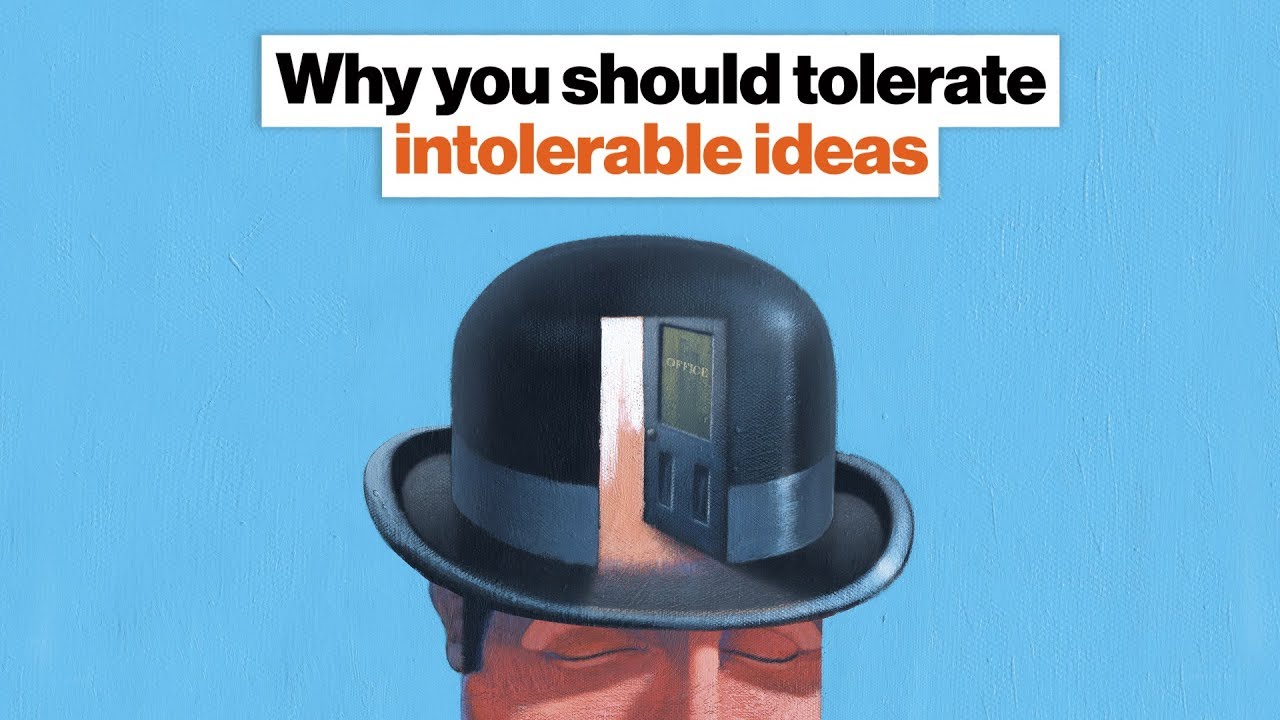
How the marketplace of ideas went rogue | Eli Pariser | Big Think
Posted
December 1, 2018
Views
16,392
Likes
419
Comments
185
Engagement
3.68%
December 1, 2018
16,392
419
185
3.68%
Every word spoken in this episode is indexed. Type any phrase to jump straight to the moment it was said.
Type any word or phrase that may have been spoken. Click a result to seek the player to that exact moment.
Try a name, a topic, or a quoted line
 5:44Now Playing
How the marketplace of ideas went rogue
New videos DAILY
Join Big Think Edge for exclusive video lessons from top thinkers and doers
----------------------------------------------------------------------------------
The marketplace of ideas is a better metaphor than it's intended to be, notes Eli Pariser. As any good economist will tell you, the best product doesn't always rise to the top.
The institutional gatekeepers and experts who once kept checks and balances on the marketplace of ideas have been replaced by social media algorithms that reward emotion and outrage over expertise and truth.How can media institutions like Facebook make this right? By reevaluating the business model that serves advertisers instead of readers, and by clearly stating their values—even if that means losing some of those 2 billion users.The Charles Koch Foundation is committed to understanding what drives intolerance and the best ways to cure it. The foundation supports interdisciplinary research to overcome intolerance, new models for peaceful interactions, and experiments that can heal fractured communities. For more information, visit charleskochfoundation.org/courageous-collaborations. The opinions expressed in this video do not necessarily reflect the views of the Charles Koch Foundation, which encourages the expression of diverse viewpoints within a culture of civil discourse and mutual respect.
----------------------------------------------------------------------------------
ELI PARISER:
Eli Pariser has dedicated his career to figuring out how technology can elevate important topics in the world. He is the co-founder of Upworthy and bestselling author of The Filter Bubble: What the Internet Is Hiding from You.
----------------------------------------------------------------------------------
TRANSCRIPT:
ELI PARISER: I've been thinking a lot recently about this idea of the marketplace of ideas. And in civics class we learned that this is the way that the truth kind of comes to the top, that the best ideas displace the worst ideas. But I think it's a better metaphor than it intends to be, in the sense that marketplaces, as any economist will tell you, are not necessarily the place where the best product comes to the top. There are all sorts of dynamics that determine who wins and, in fact, if you follow disruption theory, which is in vogue in Silicon Valley, it's all about how actually a worse product can beat a better product in the marketplace. We have a marketplace of ideas in the bad sense of that term, not the good sense of that term, where what wins in the marketplace may not be fair, it may not be right and certainly it may not be true, but it's based on this very reductive set of rules of supply and demand.
We're all trying to grapple right now with what that means when there are less kind of institutional gatekeepers who are holding in check which ideas are competing with which other ones. But it turns out there are ideas that are very appealing and very contagious that are either completely untrue or that are appealing to our worst instincts about each other.
Nobody wants some random person off the internet to do their brain surgery, right? Experts have a place in our society and journalism is a form of expertise. And I think that's gotten obscured by a couple of things. One is that journalism is often presented right alongside opinion content and that's actually really confusing to people. And so I think audiences have come to see that some of this content actually isn't expertly developed content or it isn't developed according to this specific expert process, and some of it is. And they think: 'I can't tell the difference so I'm going to downgrade my assessment of the whole profession.'
The trust that we've put in a lot of these institutions I think legitimately has been misplaced or it's been, you know, I think there are ways in which big media institutions have not truly had the interest of their readers or viewers at heart. You have to acknowledge that in order to get to winning back that trust — and I don't think there's any way to do that other than to actually root your concerns in the concerns of the people you're serving which is a challenging job to do, especially in a dwindling advertising market, but which I think is the only way back to making people feel like this person is actually serving me. And I think that's reinforced by the business model, you know, there's a reason that surgery isn't paid for by advertisements.
There's an article that's famous in startup circles that describes what really matters in a startup's culture. And the premise is: You can have whatever set of values on the wall, but at the end of the day it's who gets fired and who gets hired and who gets promoted, ...
For the full transcript, check out
Sentinel Indexing in Progress
Metadata and chapters are available. Claim extraction for this episode is pending.
All video content is delivered via YouTube embedded players in accordance with the YouTube Terms of Service. Sentinel provides research tools that promote discovery and accountability across political media.