Big Think
@bigthink·8.8M subscribers·10.1K videos
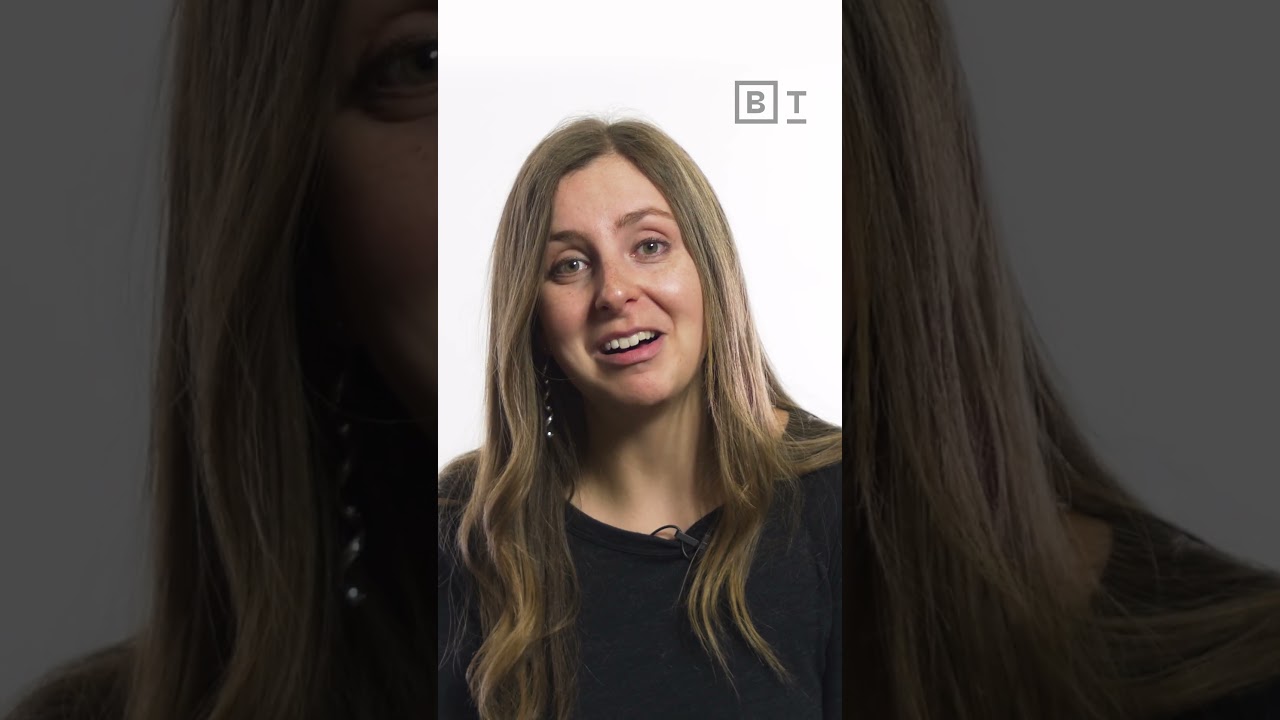
Can you trust your own brain? A neuroscientist explains | Heather Berlin
Posted
November 20, 2023
Views
774,836
Likes
10,834
Comments
356
Engagement
1.44%
November 20, 2023
774,836
10,834
356
1.44%
Every word spoken in this episode is indexed. Type any phrase to jump straight to the moment it was said.
Type any word or phrase that may have been spoken. Click a result to seek the player to that exact moment.
Try a name, a topic, or a quoted line
 6:22Now Playing
Become a Big Think member to unlock expert classes, premium print issues, exclusive events and moreNothing is real and everything is an illusion. Neuroscientist Heather Berlin explains why that’s not exactly a bad thing.
Subscribe to Big Think on YouTube ►
Up next, What’s the biggest lie you’ve ever told yourself? Neal Brennan shares his. ►
Neuroscientist Heather Berlin likens each person's perception to a unique box shaped by their own experiences. Perception, Berlin explains, arises from a blend of internal expectations and external sensory input, creating a subjective experience.
Berlin believes our mental state can also profoundly affect our perception; a pessimistic mindset might skew it negatively, for example. The brain filters information, relying on preexisting schemas that can lead to cognitive biases. She notes that these biases can be altered through changing inputs over time, which can expand our empathy.
Understanding perception's illusory nature empowers us to shape our experiences and find joy despite life's challenges.
Read more from this interview ►
We created this video in partnership with Unlikely Collaborators.
----------------------------------------------------------------------------------
About Heather Berlin:
Dr. Heather Berlin is a neuroscientist, clinical psychologist, and associate clinical professor of psychiatry and neuroscience at the Icahn School of Medicine at Mount Sinai in New York. She explores the neural basis of impulsive and compulsive psychiatric and neurological disorders with the aim of developing novel treatments. She is also interested in the brain basis of consciousness, dynamic unconscious processes, and creativity. Clinically, she specializes in lifespan (child, adolescent, and adult) treatment of anxiety, mood, and impulsive and compulsive disorders (e.g., OCD), blending her neural perspective with cognitive-behavioral therapy, mindfulness, and humanistic approaches.
Sentinel Indexing in Progress
Metadata and chapters are available. Claim extraction for this episode is pending.
All video content is delivered via YouTube embedded players in accordance with the YouTube Terms of Service. Sentinel provides research tools that promote discovery and accountability across political media.