Big Think
@bigthink·8.8M subscribers·10.1K videos
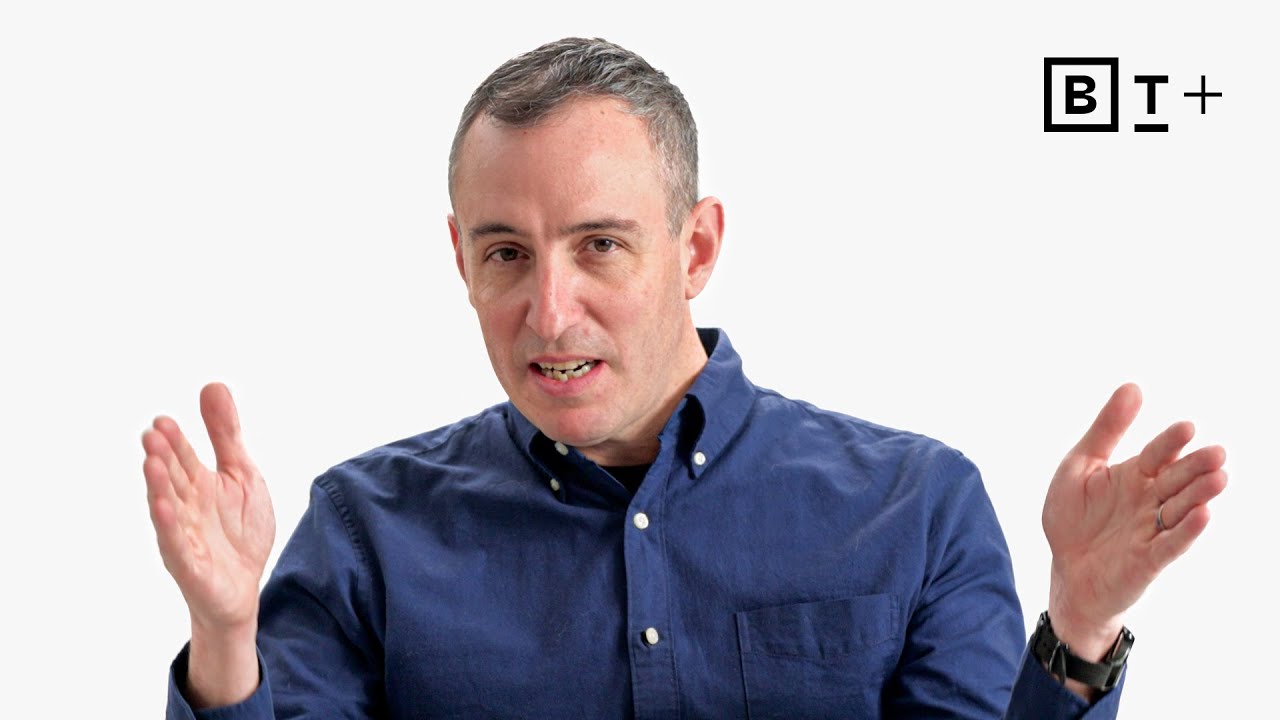
Yuval Noah Harari: Why advanced societies fall for mass delusion
Posted
December 11, 2025
Views
1,541,044
Likes
37,653
Comments
3,880
Engagement
2.70%
December 11, 2025
1,541,044
37,653
3,880
2.70%
Every word spoken in this episode is indexed. Type any phrase to jump straight to the moment it was said.
Type any word or phrase that may have been spoken. Click a result to seek the player to that exact moment.
Try a name, a topic, or a quoted line
 47:28Now Playing
Become a Big Think member to unlock Yuval's full class, AI and the Future of Civilization
Subscribe to Big Think on YouTube ►
Up next, Yuval Noah HarariHow to safeguard your mind in the age of junk information ►
“The problem is in our information. Humans, yes, we are generally good and wise, but if you give good people bad information, they make bad decisions.”
Human history is a paradox: we accumulate knowledge at astonishing speed, while remaining vulnerable to deception, superstition, and the stories that steer entire civilizations.
From the first clay tablets to today’s global media systems, the structures that carry our ideas have always shaped what societies can build, believe, and destroy. That paradox is even more important in the age of AI, says Yuval Noah Harari.
Read the video transcript ►
© Freethink Media Inc., All Rights Reserved.
----------------------------------------------------------------------------------
Go Deeper with Big Think:
►Become a Big Think Youtube Member
Get exclusive classes and early, adfree access to new releases without leaving Youtube.
►Become a Big Think Web Member
Get the entire Big Think Class library, premium print issues, live events, and more.
►Subscribe to Big Think on Substack
Get all of your favorite Big Think content delivered to your inbox.
----------------------------------------------------------------------------------
About Yuval Noah Harari:
Yuval Noah Harari, born in Israel in 1976, is a historian and philosopher renowned for his bestselling books, including Sapiens: A Brief History of Humankind, Homo Deus: A Brief History of Tomorrow, 21 Lessons for the 21st Century, and Nexus: A Brief History of Information Networks from the Stone Age to AI. His works have sold over 45 million copies in 65 languages, establishing him as a leading public intellectual.
Harari earned his PhD from the University of Oxford in 2002 and currently lectures at the Hebrew University of Jerusalem. In 2019, he co-founded Sapienship, a social impact company focused on education and storytelling, with his husband, Itzik Yahav. His research delves into macro-historical questions, exploring the relationships between history and biology, the distinctions between Homo sapiens and other animals, and the ethical implications of science and technology in the 21st century.
Harari has delivered keynote speeches at the World Economic Forum and engaged in discussions with global leaders, including Austrian Chancellor Sebastian Kurz, Dutch Prime Minister Mark Rutte, and Greek Prime Minister Kyriakos Mitsotakis. His influential works and public engagements continue to shape contemporary discourse on humanity's past, present, and future.
Sentinel Indexing in Progress
Metadata and chapters are available. Claim extraction for this episode is pending.
All video content is delivered via YouTube embedded players in accordance with the YouTube Terms of Service. Sentinel provides research tools that promote discovery and accountability across political media.