Big Think
@bigthink·8.8M subscribers·10.1K videos
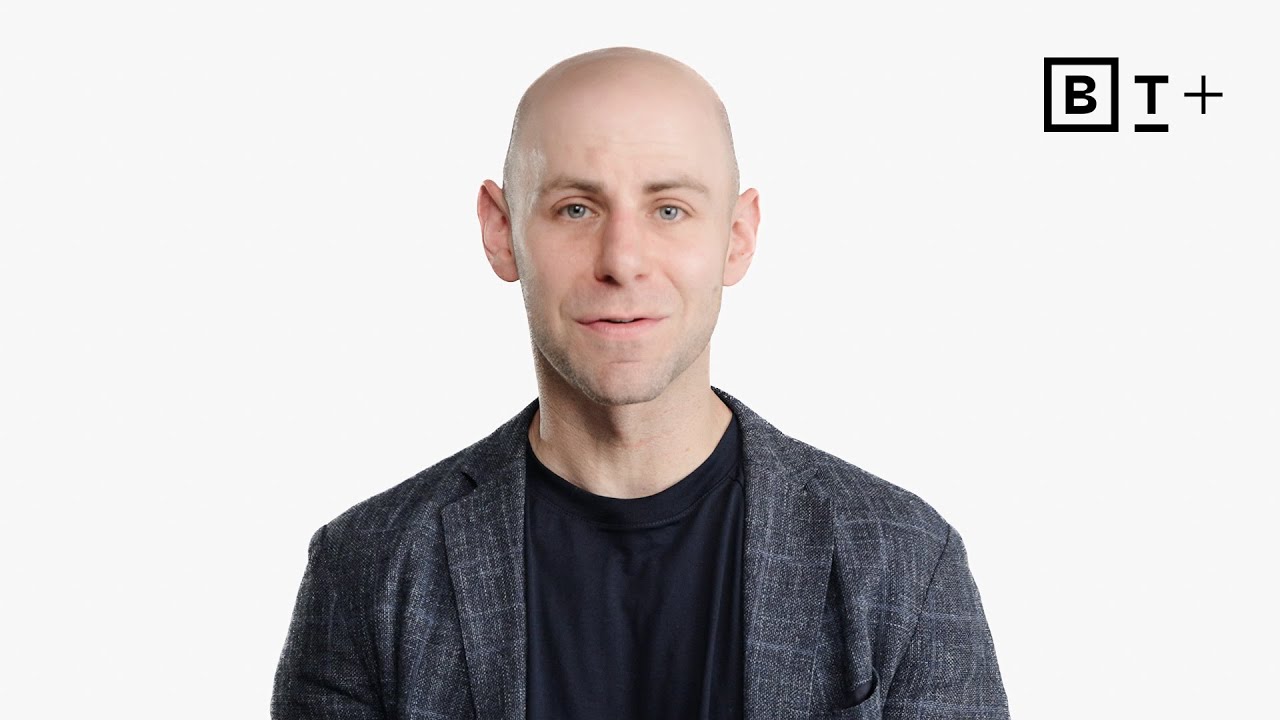
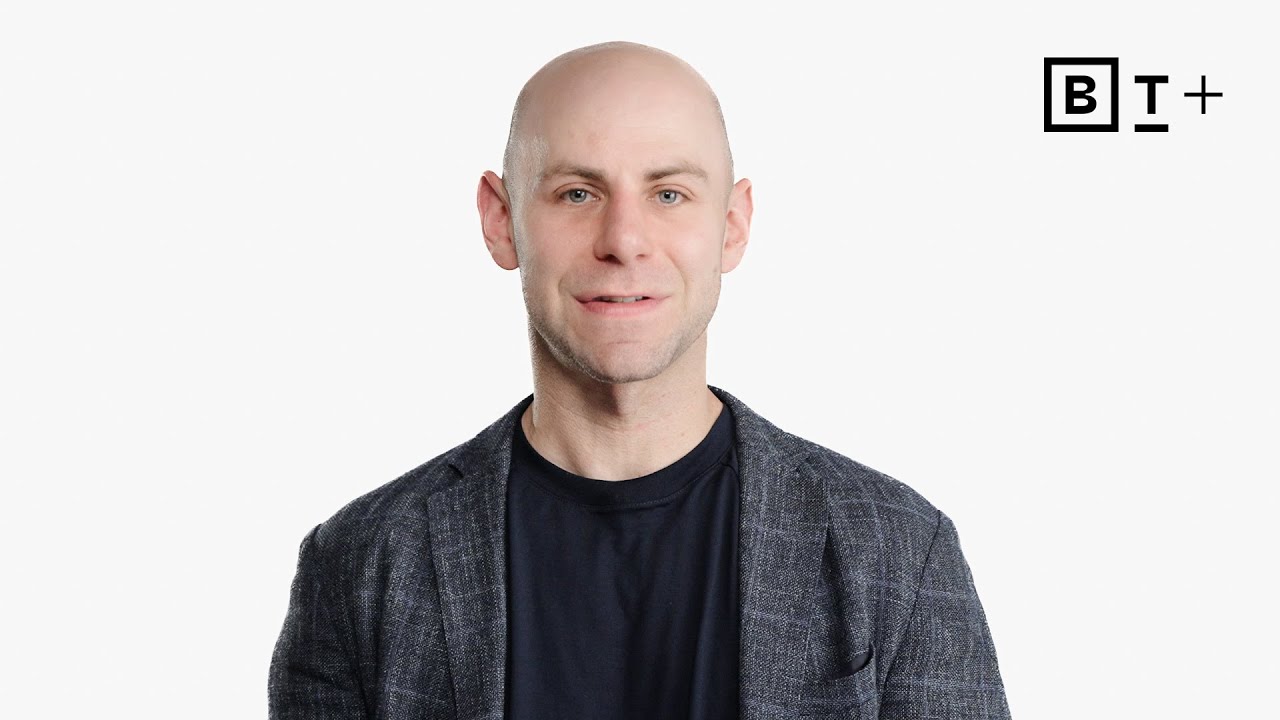
Lesson 5: Embrace the Power of Diversity | Adam Grant
Posted
January 5, 2026
Likes
2
January 5, 2026
2
Every word spoken in this episode is indexed. Type any phrase to jump straight to the moment it was said.
Type any word or phrase that may have been spoken. Click a result to seek the player to that exact moment.
Try a name, a topic, or a quoted line
 5:04Now Playing
Hire for culture contribution over culture fit. Consider multiple types of diversity.
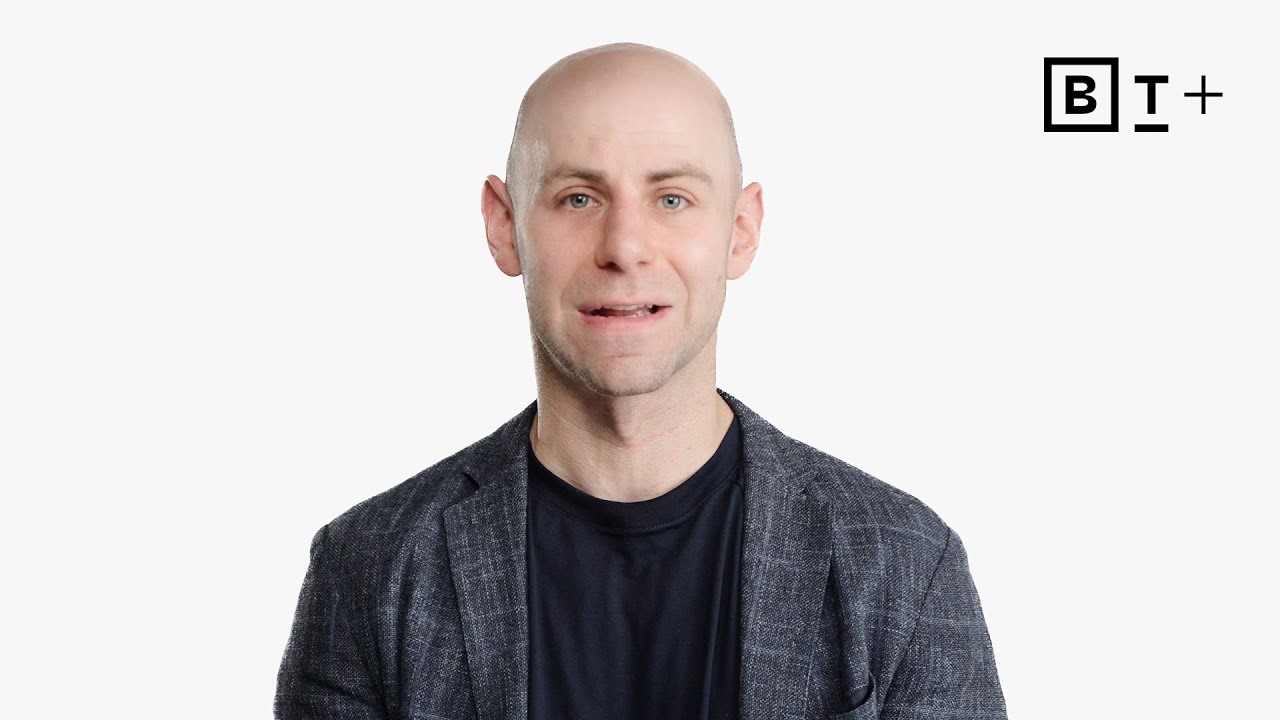
In a scene from Monty Python’s film Life of Brian, the title character stands above a crowd and shouts, “You’ve got to think for yourselves! You’re all individuals!” The crowd replies in unison, “Yes, we’re all individuals.” He sighs and says, “You are all different,” and the crowd chants, “Yes, we’re all different!” Except one man, who mutters, “I’m not.”
Organizational psychologist Adam Grant warns if you only hire for culture fit, you’re likely to end up with a crowd of not-so-different “individuals.” In this video lesson, he explores why, instead, you should look to fill culture gaps.
Abandon the “similar to me” effect
We tend to hire and promote people who remind us of ourselves. Recognize that the more different people are — in background, experience, styles of thinking, etc. — the more they tend to learn from each other.
Instead of just focusing on culture fit, look for culture contribution. Ask: How are our people similar demographically, functionally, and regionally? If you share too much in common, consider whether it’s time to diversify.
Diversity and inclusion conversations tend to focus narrowly on gender and race. But there are more factors to consider:
Skill
Thought
Culture
Sexual Orientation
Experience
Lean into discomfort. The more uncomfortable people are in a group, the more they tend to explain themselves clearly, listen carefully, and take seriously unfamiliar viewpoints.
Enrich your culture
Research shows that when an organization hires a leader with a different orientation from the cultural norm, the new hire adds more value by filling a gap. For example, relationship-oriented organizations tend to get more value from task-oriented leaders.
If your goal is to hire for potential, start by asking: What’s missing from our culture? How do we find people who can stretch us in new directions?
© Freethink Media Inc., All Rights Reserved.
----------------------------------------------------------------------------------
Go Deeper with Big Think:
►Become a Big Think Youtube Member
Get exclusive classes and early, adfree access to new releases without leaving Youtube.
►Become a Big Think Web Member
Get the entire Big Think Class library, premium print issues, live events, and more.
►Subscribe to Big Think on Substack
Get all of your favorite Big Think content delivered to your inbox.
----------------------------------------------------------------------------------
About Adam Grant:
Adam Grant has been Wharton’s top-rated professor for seven straight years. As an organizational psychologist, he is a leading expert on how we can find motivation and meaning, rethink assumptions, and live more generous and creative lives. He has been recognized as one of the world’s 10 most influential management thinkers and Fortune’s 40 under 40.
Grant is the #1 New York Times bestselling author of five books that have sold millions of copies and been translated into 45 languages: Think Again, Give and Take, Originals, Option B, and Power Moves. His books have been named among the year’s best by Amazon, Apple, the Financial Times, and The Wall Street Journal. His viral piece on languishing was the most-read New York Times article of 2021 and the most-saved article across all platforms.
Grant hosts WorkLife, a chart-topping TED original podcast. His speaking and consulting clients include Google, the NBA, Bridgewater, and the Gates Foundation. He writes on work and psychology for The New York Times, has served on the Defense Innovation Board at the Pentagon, has been honored as a Young Global Leader by the World Economic Forum, and has appeared on Billions. He has more than 6 million followers on social media and features new insights in GRANTED, his free monthly newsletter.
Sentinel Indexing in Progress
Metadata and chapters are available. Claim extraction for this episode is pending.
All video content is delivered via YouTube embedded players in accordance with the YouTube Terms of Service. Sentinel provides research tools that promote discovery and accountability across political media.