Bloomberg News
@Bloomberg-News·2.8M subscribers·40.1K videos
United Nations Report on Biodiversity Says Humans Accelerating Extinction of Species
Posted
May 6, 2019
Views
15,790
Likes
126
Comments
200
Engagement
May 6, 2019
15,790
126
200
2.06%
Every word spoken in this episode is indexed. Type any phrase to jump straight to the moment it was said.
Type any word or phrase that may have been spoken. Click a result to seek the player to that exact moment.
Try a name, a topic, or a quoted line
 0:47Now Playing
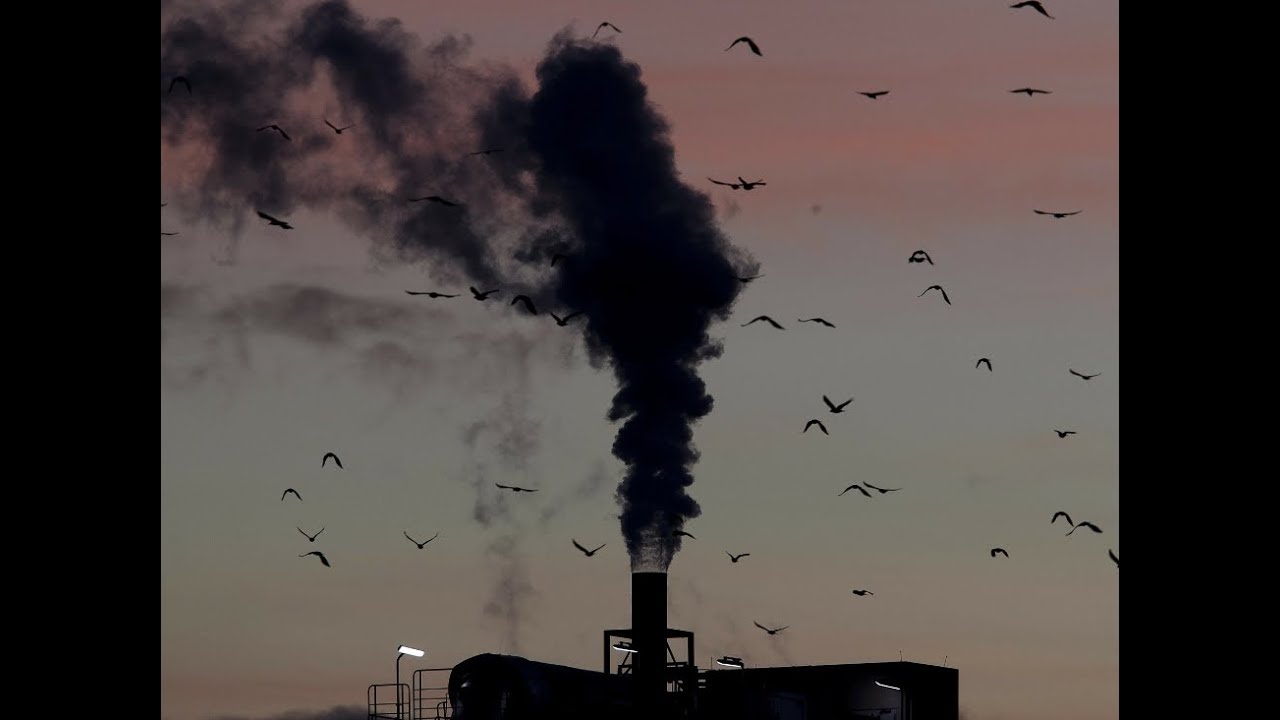
People are putting nature in more trouble now than at any other time in human history, with extinction looming over 1 million species of plants and animals, scientists said Monday.
But it’s not too late to fix the problem, according to the United Nations’ first comprehensive report on biodiversity.
“We have reconfigured dramatically life on the planet,” report co-chairman Eduardo Brondizio of Indiana University said at a press conference.
Species loss is accelerating to a rate tens or hundreds of times faster than in the past, the report said. More than half a million species on land “have insufficient habitat for long-term survival” and are likely to go extinct, many within decades, unless their habitats are restored. The oceans are not any better off.
“Humanity unwittingly is attempting to throttle the living planet and humanity’s own future,” said George Mason University biologist Thomas Lovejoy, who has been called the godfather of biodiversity for his research. He was not part of the report.
“The biological diversity of this planet has been really hammered, and this is really our last chance to address all of that,” Lovejoy said.
Conservation scientists convened in Paris to issue the report, which exceeded 1,000 pages. The Intergovernmental Science-Policy Platform on Biodiversity and Ecosystem Services (IPBES) included more than 450 researchers who used 15,000 scientific and government reports. The report’s summary had to be approved by representatives of all 109 nations.
Some nations hit harder by the losses, like small island countries, wanted more in the report. Others, such as the United States, were cautious in the language they sought, but they agreed “we’re in trouble,” said Rebecca Shaw, chief scientist for the World Wildlife Fund, who observed the final negotiations.
“This is the strongest call we’ve seen for reversing the trends on the loss of nature,” Shaw said.
The findings are not just about saving plants and animals, but about preserving a world that’s becoming harder for humans to live in, said Robert Watson, a former top NASA and British scientist who headed the report.
“We are indeed threatening the potential food security, water security, human health and social fabric” of humanity, Watson told The Associated Press.
It’s also an economic and security issue as countries fight over scarcer resources. Watson said the poor in less developed countries bear the greatest burden.
Subscribe to our YouTube channel
TICTOC ON SOCIAL:
Follow TicToc on Twitter
Like TicToc on Facebook
Follow TicToc on Instagram
Watch all of TicToc’s videos
Listen to TicToc’s podcast
Subscribe to our newsletter
TicToc by Bloomberg is global news for the life you lead. We are a 24/7 news network that covers breaking news, politics, technology, business and entertainment stories from around the globe, supported by a network of Bloomberg’s 2,700 journalists across 120 countries.
Sentinel Indexing in Progress
Metadata and chapters are available. Claim extraction for this episode is pending.
All video content is delivered via YouTube embedded players in accordance with the YouTube Terms of Service. Sentinel provides research tools that promote discovery and accountability across political media.